Affordable Innovation: Leveraging China's University Research Budgets and Corporate Tech Partnerships
By Muntasir • Published Mar 16, 2026 • Updated Aug 08, 2026 • Guides
China permitted international students to work in approved work-study programs and internships starting January 2022. Top research institutions like Tsinghua University command annual budgets of 38.569 billion RMB. Students leverage these massive funds and corporate partnerships with Huawei and Tencent for fully-funded research positions.
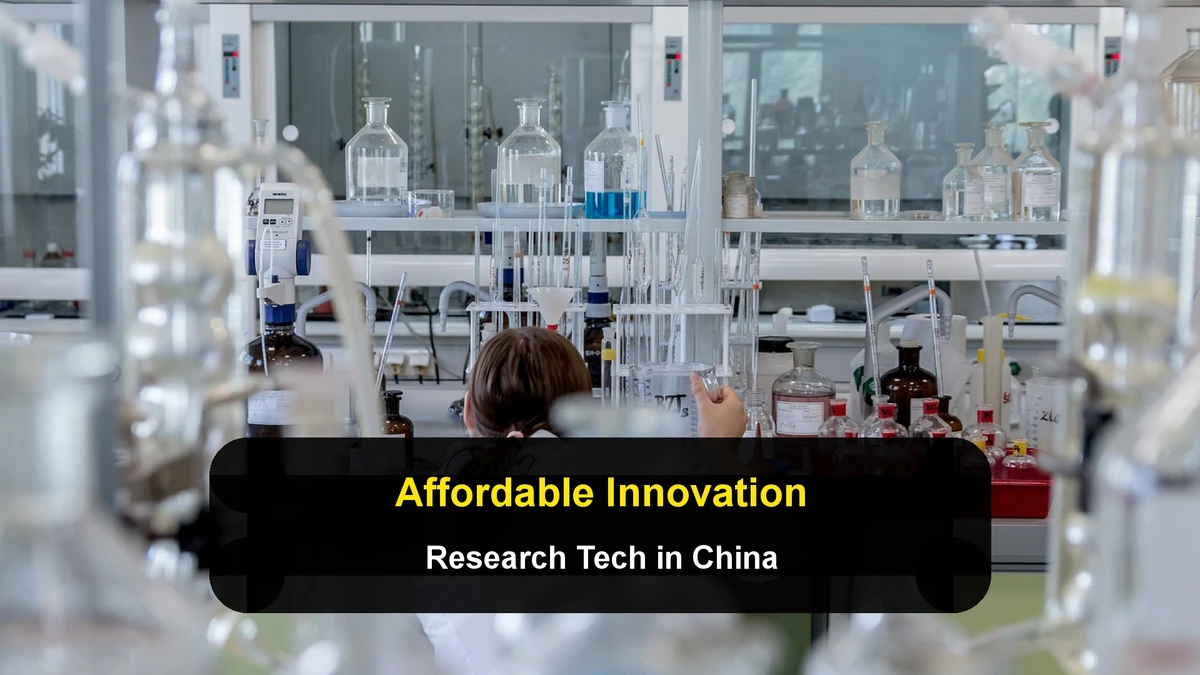
Chinese University Research Funding Scale
Top Chinese universities receive massive annual funding allocations from the central government. These resources support extensive scientific projects, modern laboratory infrastructure, and student research assistantships. International graduate students access these financial resources through university-funded fellowships and direct project stipends.
| Institution | 2024 Annual Budget (Billion RMB) | Primary Research Focus Areas |
|---|---|---|
| Tsinghua University | 38.569 | Artificial Intelligence, Quantum Computing, Deep Tech |
| Zhejiang University | 32.881 | Robotics, Materials Science, Energy Engineering |
| Shanghai Jiao Tong University | 28.158 | Marine Engineering, Aerospace, Biotechnology |
Corporate Technology Partnerships and Joint Labs

Major domestic technology firms establish joint research centers within university campuses. These partnerships fund targeted scientific investigations while offering direct research stipends to graduate students. International scholars participate in these corporate programs to gain industrial experience and secure additional financial support.
- Tencent Rhino-Bird Elite Training Program : This initiative targets graduate students, offering fully-funded research placements, corporate mentorship, and access to industry datasets.
- Tsinghua-Tencent Joint Laboratory for Internet Innovation Technology : Focuses on cloud computing, artificial intelligence, and privacy protection through collaborative research projects.
- Huawei Innovation Research Program: Funds faculty and student research teams working on big data, optical technologies, and cloud networking.
- SJTU-Huawei Joint Lab: Supports doctoral students with targeted stipends for telecommunications and hardware engineering research.
Legal Work Pathways and Stipend Authorization
International students holding an X1 visa must obtain formal authorization before participating in paid corporate research or university work-study programs. Engaging in unauthorized employment leads to severe penalties, including fines or visa revocation. The Ministry of Education and the Public Security Bureau established a legal framework in January 2022 to permit approved internships and part-time work.
Step-by-Step Authorization Process
- Secure an Agreement: Obtain a written agreement detailing hours, compensation, and responsibilities.
- Request University Approval: Submit the agreement to the International Student Office to receive a formal approval letter.
- Apply for PSB Endorsement: Visit the Exit-Entry Administration with your passport, university approval, and corporate agreement.
- Verify the Annotation: Ensure the Public Security Bureau adds the endorsement to your residence permit before starting.
Student Work Hour Limitations
- Semester Limit: Maximum 8 hours per week and 40 hours per month.
- Academic Break Limit: Maximum 16 hours per week and 80 hours per month.
- Visa Restriction: Only degree-seeking students holding valid study residence permits qualify for this endorsement.
Financial Commitments and Currency Fluctuations
International students must understand the full scope of tuition fees and research stipends. While government scholarships provide baseline funding, corporate research assistantships offer supplementary income. Currency exchange fluctuations represent a primary financial risk for international scholars.
| Component | Annual Cost / Income (RMB) | Financial Details |
|---|---|---|
| PhD Tuition Fee | 30,000-40,000 | Fully waived under most central fellowships. |
| CGS Base Stipend | 42,000 | Standard living allowance of 3,500 per month. |
| Corporate RA Supplement | 12,000-36,000 | Paid monthly from joint lab budgets (Huawei/Tencent). |
| Living Expenses (Tier 1) | 36,000-50,000 | Covers off-campus housing, food, and local transit. |
International scholars face currency risks when converting home currencies into RMB or sending stipends abroad. The USD to CNY exchange rate fluctuated between 6.70 and 7.30 during the 2023-2025 period, causing an 8% drop in foreign currency value for a 5,000 RMB monthly stipend. You must account for these fluctuations when planning international wire transfers or managing home country debts.
Common Student Pitfalls and Mitigation Strategies
Navigating research contracts and visa regulations requires strict compliance with local laws. Many international scholars make avoidable errors regarding work authorization and taxation. Implementing preventative measures protects your visa status and financial health.
- Working Without PSB Endorsement: Engaging in paid research or internships without the official Public Security Bureau study permit annotation constitutes illegal employment, risking deportation.
- Neglecting Tax Obligations: Corporate stipends exceeding 5,000 RMB per month are subject to local individual income tax under Chinese tax law, requiring formal registration.
- Ignoring Intellectual Property Clauses: Joint laboratory projects involve proprietary corporate datasets, requiring strict adherence to non-disclosure agreements before academic publication.