How Higher Education Works in Albania: Degrees, Universities and the Academic Year
By Muntasir • Published Dec 31, 2023 • Updated Sep 20, 2026 • Education Planning, Study in Europe, Country & City Guides
Albania follows the Bologna system: a 3-year Bachelor, a 2-year Master, and a doctorate on top, taught mostly in Albanian with a growing number of English-taught programmes at private universities.
🎓 A handful of public universities plus a wider group of private ones, led by the University of Tirana.
📩 Medicine, law, architecture and pharmacy run as one integrated Master lasting 5-6 years, no separate Bachelor.
⏱️ Two semesters a year, classes usually run September or October to June or July.
💶 Short-cycle Professional Certificate (1 year) and Professional Diploma (2 years) exist alongside full degrees.
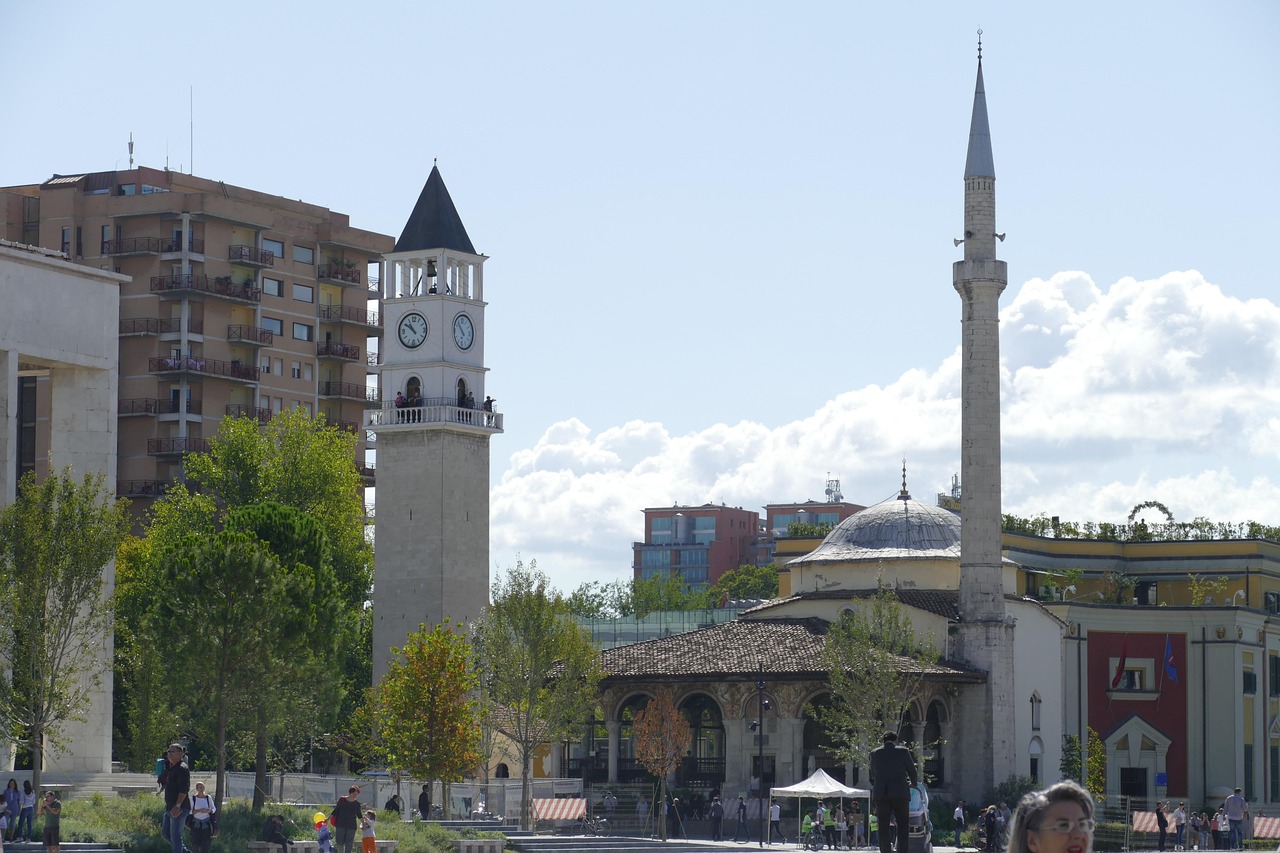
How Albania organizes higher education
If you're comparing Albania against other European destinations, the system will look familiar. It runs on the same three-cycle Bologna model as the rest of the continent, with a few local details worth knowing before you apply. The Ministry of Education runs Albania's higher education system, working with agencies that accredit universities and administer the national school-leaving exam. Albania sits inside the European Higher Education Area, so its degrees use the same three-cycle structure and ECTS credit system as the rest of Europe.
The country has a handful of public universities and a wider group of private ones. Public universities enroll most Albanian students and charge citizens a low, government-set fee. Private universities compete on English-taught programmes and often move faster through admission, which matters if you apply from outside Albania.
The three-cycle degree structure
Albanian universities follow the standard Bologna cycles used across the continent.
| Cycle | Degree | Length | Credits |
|---|---|---|---|
| Short cycle | Professional Certificate | 1 year | 60 ECTS |
| Short cycle | Professional Diploma | 2 years | 120 ECTS |
| First cycle | Bachelor of Science / Arts | 3 years, 4 in some fields | 180-240 ECTS |
| Second cycle | Master of Science / Arts | 2 years after a Bachelor | 120 ECTS |
| Second cycle, integrated | Integrated Master | 5-6 years, no separate Bachelor | 300-360 ECTS |
The Eurydice network confirms this split. Short-cycle programmes sit at Level 5 of the Albanian Qualifications Framework, while a Master of Science or Arts either follows a Bachelor's degree or replaces it with one long integrated programme.
Fields that use the integrated Master
Medicine, dentistry, veterinary medicine, pharmacy, architecture and law commonly run as one long programme rather than a separate Bachelor and Master. You apply straight after secondary school and finish with a Master-level qualification 5 to 6 years later, with no Bachelor's degree along the way. Admission to any Master's programme, integrated or not, needs a Bachelor's degree or a recognized foreign qualification, plus whatever entry test or GPA threshold the faculty sets.
Doctoral studies
The third cycle leads to a doctorate, entered after a Master's degree. Doctoral programmes run through the same faculties that teach Master's degrees and combine coursework with a supervised research project, following the standard three-cycle European model.
Public and private universities
Public universities include the University of Tirana, the country's largest and oldest, the Polytechnic University of Tirana for engineering, the Agricultural University of Tirana, and regional universities such as Fan S. Noli University in Korça, plus institutions in Shkodra, Elbasan, Vlora and Gjirokastra.
Private universities such as Epoka University, the European University of Tirana and Albanian University compete for local and international students and run more programmes fully in English. A private university with an English-taught programme removes the need to reach an Albanian-language level before your first class. Public universities together enroll the large majority of students in the country, while most private universities have grown fast over the last two decades by targeting students who want an English-taught degree without leaving the region.
Credit transfer and studying in Albania as an exchange student
Albanian universities award ECTS credits for every course, so credits earned during a semester or year there transfer back to your home university through the same credit-recognition process used across the Bologna area. Ask your home university's international office to check its exchange agreements with Albanian universities before you commit to a semester there, since not every Albanian university partners with every European one.
What a semester actually looks like
Expect a mix of lectures and seminars, with attendance tracked more closely than at some Western European universities. Exams cluster into two windows a year, one after each semester, and many programmes also run a resit session for students who need to repeat a course. Grading scales and pass marks differ by university, so check your specific faculty's grading rules once you enroll rather than assuming they match your home country's system.
Accreditation and choosing a real programme
Every study programme in Albania needs accreditation before a university can enroll students in it. Before you apply anywhere, check that the specific programme, not just the university as a whole, holds current accreditation, since new or unaccredited programmes sometimes appear before they clear this step. Ask the admissions office directly, or check the programme listing on the university's own site.
Academic year and teaching language
The academic year runs in two semesters, starting in September or October and finishing in June or July, with exam sessions after each one. Albanian is the main teaching language at public universities. Private universities and some public faculties add English-taught tracks, most often in business, IT and international relations.
Where Albania fits inside Europe
Because Albania uses the same cycle structure and ECTS credits as EU countries, a Bachelor's or Master's degree earned there converts on paper into the credit system other European countries use for recognition and transfer. Recognition still runs through each destination country's ENIC-NARIC office rather than happening automatically, so check that country's rules before you count on a smooth transfer.