What the 2024 Bologna Process Ministerial Conference Decided and What It Means for Students
By Muntasir • Published Jul 12, 2026 • Updated Aug 08, 2026 • Education Planning, Study in Europe, Education News & Policy
Bologna Process education ministers met in Tirana, Albania on 29-30 May 2024, the most recent European Higher Education Area ministerial conference. They recommitted to automatic recognition of qualifications across member countries and to a stronger quality assurance culture in higher education.
🎓 Conference held in Tirana, Albania, 29-30 May 2024
Ministers reaffirmed the push for automatic recognition of degrees across EHEA countries
Recognition work builds on the Lisbon Recognition Convention, in force since 1997
Quality assurance named a shared priority for higher education systems
Automatic recognition is still not reached in every member country
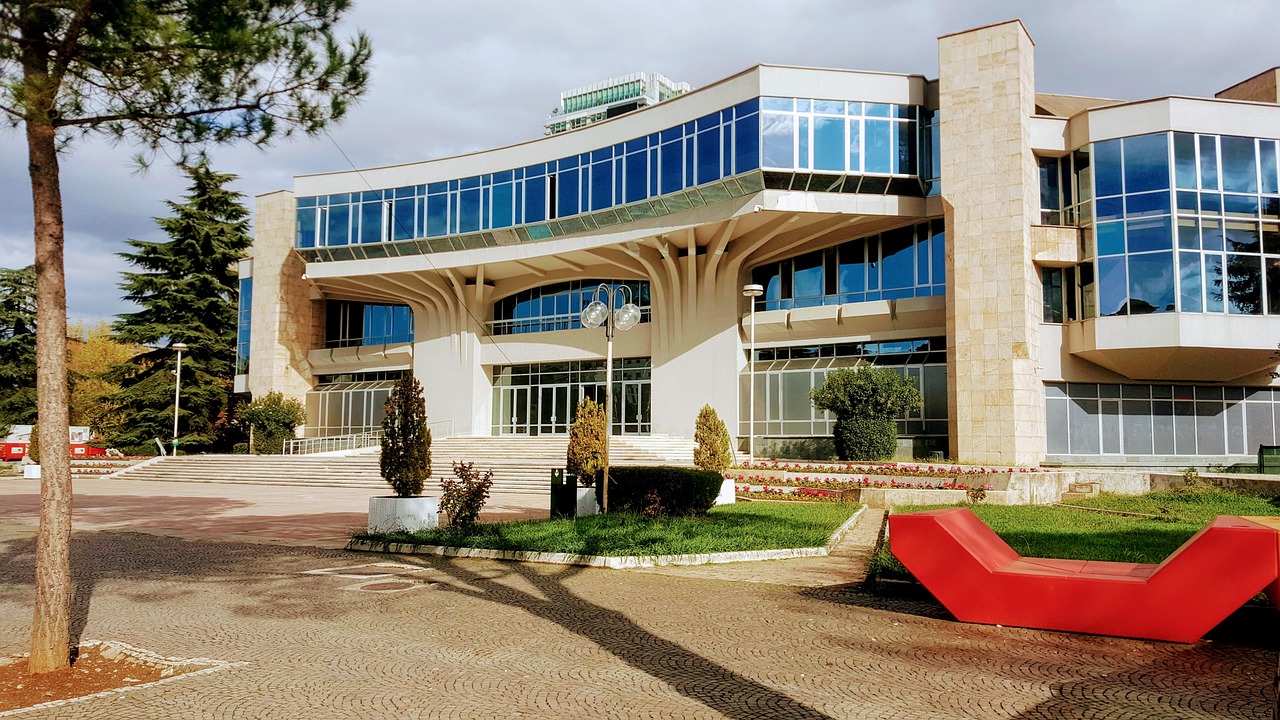
What Happened in Tirana
Education ministers from the European Higher Education Area met in Tirana, Albania, on 29-30 May 2024 for the most recent Bologna Process ministerial conference. These conferences happen every few years and set the shared direction for higher education cooperation across the EHEA, the group of countries that adopted the Bologna reforms starting in 1999.
The EHEA secretariat confirms the conference addressed recognition of qualifications and quality assurance as central themes, continuing work from previous ministerial rounds.
What the EHEA Is
The European Higher Education Area brings together nearly every country in Europe around a shared set of higher education reforms that started with the original Bologna Declaration in 1999. Its shared tools, ECTS credits, the three-cycle bachelor's, master's and doctoral structure, and the Diploma Supplement, are the reason a degree earned in one member country reads clearly to an admissions officer or employer in another. The Tirana conference is part of the ongoing ministerial process that reviews and updates these shared commitments roughly every three years.
Automatic Recognition Stays the Main Goal
Ministers reaffirmed their commitment to implementing the Lisbon Recognition Convention , the 1997 treaty that underpins how EHEA countries assess foreign qualifications. The Convention already requires that a qualification from one member country gets fair assessment in another, with the burden on the receiving institution to prove a substantial difference rather than on you to prove equivalence.
Automatic recognition goes further. It means your degree from one EHEA country gets accepted in another without a separate assessment step at all. This goal dates back to the Bucharest ministerial conference, which set up a pathfinder group of countries to test automatic recognition agreements. The Tirana communique kept this as an active priority rather than a finished achievement. Full automatic recognition across every EHEA country has not been reached yet, so if you plan to use a foreign degree for work or further study, check with your national ENIC-NARIC centre for the current recognition status between your two countries.
Quality Assurance Culture
The second confirmed commitment from Tirana is a push for what the communique calls a quality culture in higher education, meaning quality assurance processes that fit the purpose of each institution and programme rather than one checklist applied everywhere. This affects how your university gets accredited and how new joint or cross-border programmes get approved going forward.
What Happens Next
National governments now carry the commitments from Tirana into their own higher education policy and law. Universities and quality assurance agencies in each country adjust their own recognition and accreditation procedures to match. The next ministerial conference will review progress against these commitments, following the same cycle that produced past conferences in cities including Rome, Paris and Yerevan.
What This Means for You
None of these commitments change your recognition status overnight. They set the direction national governments are expected to follow through domestic law and agreements over the coming years. If you are applying with a foreign qualification now, treat automatic recognition as work in progress rather than a guarantee, and verify your specific case with your national recognition centre or the receiving university before you rely on it.