Public and Private Universities in Botswana: How to Choose
By Muntasir • Published Apr 27, 2025 • Updated Aug 08, 2026 • African Countries & Cities
Botswana has four public universities and several BQA-accredited private universities. Pick based on accreditation status, program fit, and whether your government funding covers the institution, not on public versus private alone.
🎓 Public: University of Botswana, Botswana International University of Science and Technology, Botswana University of Agriculture and Natural Resources, and Botswana Accountancy College.
🏠 Private: Botho University, Limkokwing University of Creative Technology, Botswana Open University, and Ba Isago University, among others.
📩 Check any institution's accreditation status with the Botswana Qualifications Authority (BQA) before you enroll.
💵 DTEF's government sponsorship extends to accredited external and some private institutions, not only public universities, so confirm eligibility before ruling a private option out on cost.
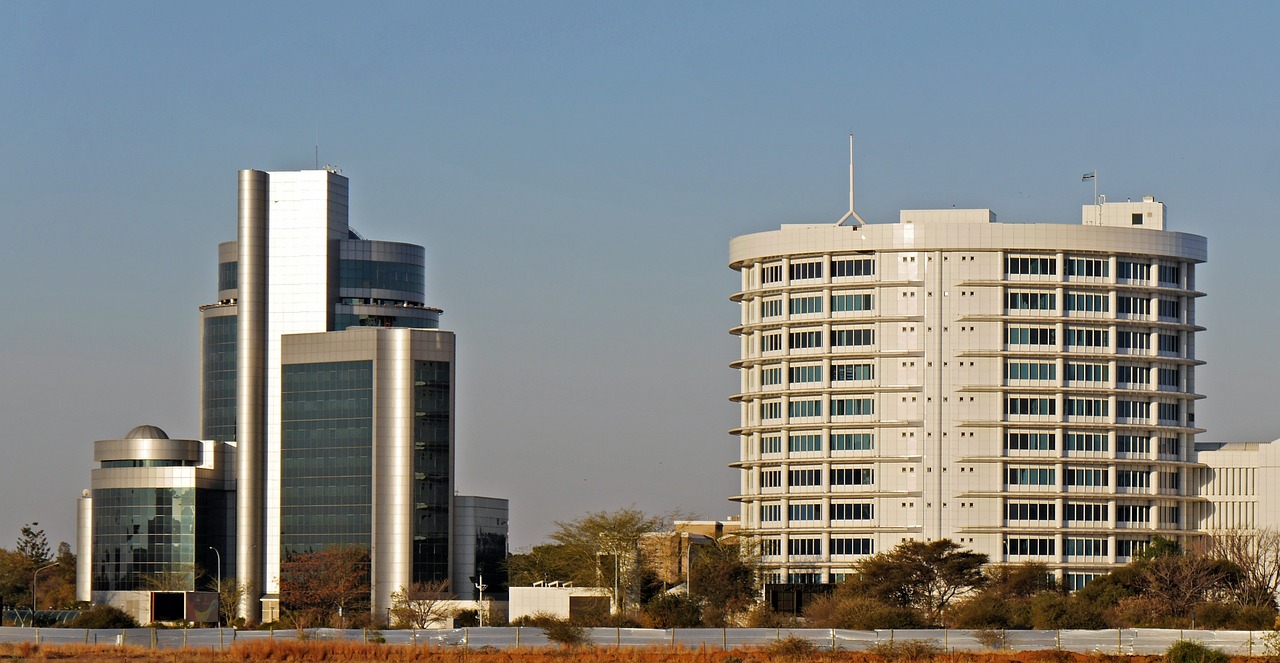
Botswana's higher education options
Botswana runs four public universities alongside a growing group of private universities and colleges. The public institutions are the University of Botswana (UB), the country's oldest and largest, founded in 1982 and based mainly in Gaborone with satellite campuses in Francistown and Maun. Other public institutions include Botswana International University of Science and Technology (BIUST) in Palapye, Botswana University of Agriculture and Natural Resources (BUAN), and Botswana Accountancy College (BAC), according to a list of the country's universities . Private universities include Botho University, Limkokwing University of Creative Technology, Botswana Open University (formerly BOCODOL, focused on distance learning), and Ba Isago University.
Start with accreditation
Before you compare cost or campus life, confirm the institution and your specific program are registered with the Botswana Qualifications Authority (BQA), the body responsible for accrediting education and training providers and maintaining the National Credit and Qualifications Framework, according to BQA's official site . A qualification from an unregistered provider may not count toward professional licensing, further study, or some employers' hiring requirements, no matter how the marketing reads.
Public versus private, side by side
| Public universities | Private universities | |
|---|---|---|
| Examples | UB, BIUST, BUAN, BAC | Botho, Limkokwing, Botswana Open University, Ba Isago |
| Fee structure | Published annual schedule, often credit-based | Set per institution and program, request directly |
| Government sponsorship | Generally covered if you qualify under DTEF | Covered only if the specific institution is accredited and approved by DTEF. Confirm before enrolling |
| Program range | Broad, research-oriented faculties | Often focused on specific fields such as business, IT, or creative industries |
| Intake flexibility | Fixed intake windows, usually once or twice a year | Often more frequent intakes and rolling admissions |
Program focus differs by institution
UB offers the broadest range, with faculties spanning business, education, engineering and technology, humanities, science, social sciences, health sciences, and medicine, according to university records . BIUST concentrates on science, engineering, and technology. BUAN focuses on agriculture and natural resource management. BAC specializes in accountancy and finance qualifications. Among private institutions, Botho University leans toward business, computing, and IT, Limkokwing focuses on creative technology and design, Botswana Open University delivers distance and open learning across various fields, and Ba Isago covers business and health-related programs. Match the institution to your intended career field first, then weigh cost and location.
Cost and funding access
Don't assume private automatically costs more or public automatically costs less. What matters most for your wallet is whether you qualify for government sponsorship and whether your chosen institution is covered by it. DTEF's scheme funds Botswana citizens at local and accredited external institutions, according to the government's sponsorship page , so some private options qualify too. Contact DTEF directly with the institution and program you're considering to confirm before you commit to paying privately.
Campus size and experience
Public universities generally enroll larger student populations and run bigger lecture-style classes, especially in first-year general courses. Private universities and colleges tend to run smaller cohorts, which often means more direct contact with lecturers, though this varies by institution and program. Visit a campus or talk to current students in your target program before deciding, since class size and teaching style affect your day-to-day experience more than a university's public or private status alone.
How to decide
Confirm BQA accreditation for the institution and your specific program.
Check whether your funding, DTEF sponsorship, family support, or employer bonding, actually covers your target institution.
Match the program focus to your career goals rather than picking a university by reputation alone.
Compare intake dates and application requirements, since private institutions often have more flexible entry points.
Visit or speak to current students about class size, campus facilities, and support services before you commit.