Brewing and Fermentation Science Degrees for the Craft Beverage Industry
By Muntasir • Published May 01, 2026 • Updated Aug 08, 2026 • Career Planning
Fermentation science and brewing degree programs teach the chemistry, microbiology, and sensory evaluation skills the craft beverage industry hires for, with UC Davis running the oldest and most established brewing program in the country. The industry itself is shrinking, with US craft brewery counts down 2.9 percent to 9,578 in 2025, so weigh demand carefully before committing to this narrow major.
🎓 UC Davis, Oregon State, and Colorado State all run fermentation or brewing science tracks inside their food science departments
Coursework covers microbiology, chemistry, sensory evaluation, and quality control lab work
Graduates work as brewers, lab technicians, quality assurance analysts, and microbiologists across brewing, distilling, and fermented food companies
📉 US craft brewery count fell 2.9 percent to 9,578 operating breweries in 2025, per the Brewers Association
Certificate options exist alongside full 4-year degrees
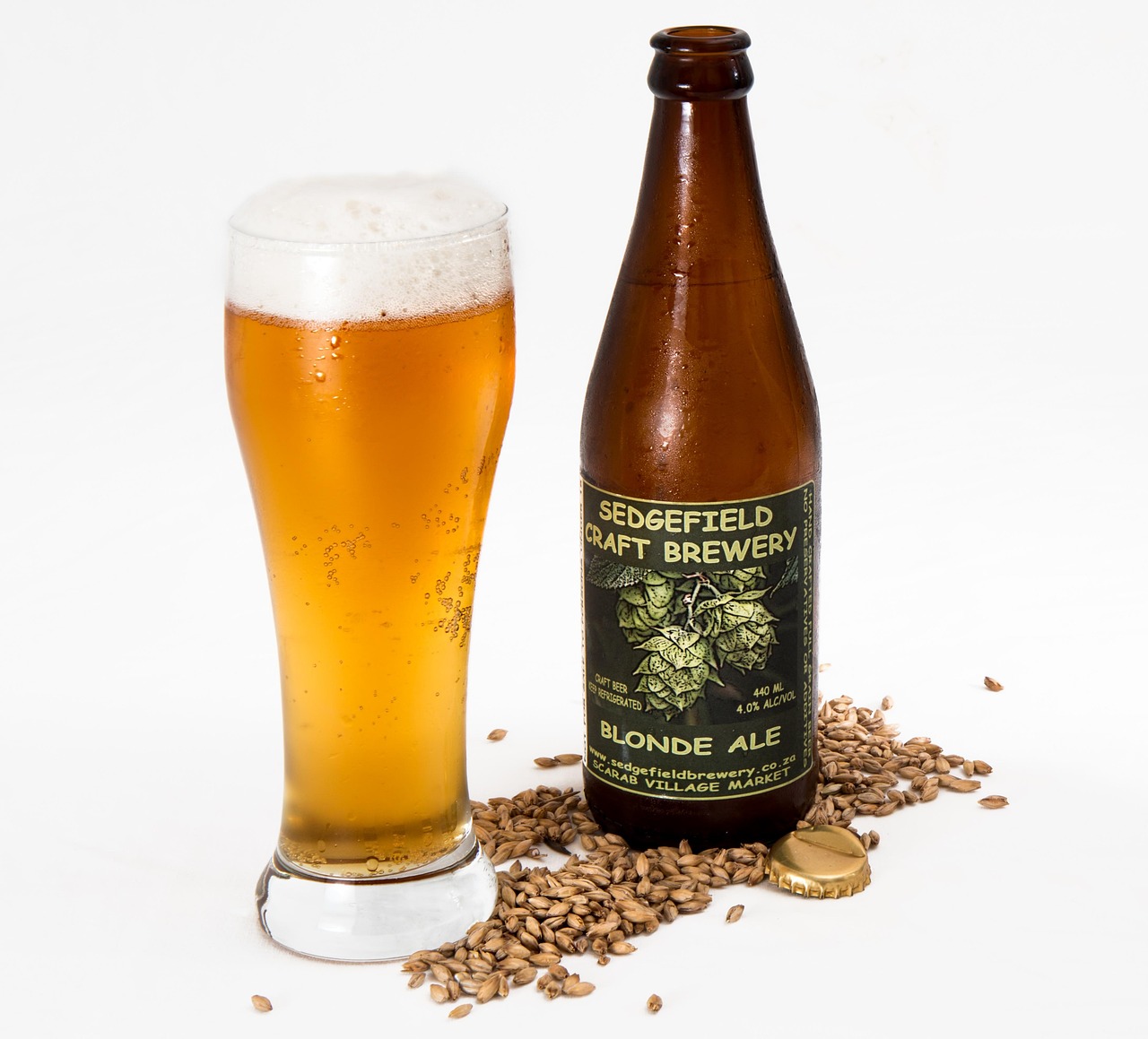
What a fermentation science or brewing degree covers
Fermentation science programs teach the microbiology and chemistry behind converting sugars into alcohol or other fermented products, along with the practical brewing, distilling, or food fermentation processes that use those reactions. Coursework typically includes microbiology, biochemistry, sensory evaluation, quality control, and hands-on lab or pilot-brewery work, on top of general science and business requirements. Programs sit inside food science or biological and agricultural engineering departments rather than standing alone as their own major at most schools.
Where to study it
The UC Davis Brewing Program is the oldest and most established program of its kind in the country, offering undergraduate coursework from junior through senior year plus graduate research and direct consultation with the brewing industry. Oregon State University runs a Fermentation Science option inside its Food Science major, covering brewing, food fermentation, and flavor development. Colorado State University offers a similar track inside Food Science and Human Nutrition with its own brewing lab, built with input from industry professionals. UC San Diego Extension offers a standalone Brewing Certificate for people who already hold a degree in another field and want a faster route into the industry. Several Michigan institutions also offer options ranging from short certificates to full 4-year degrees.
The skills employers want
These programs are built to produce graduates who can run a lab test as comfortably as they can taste and describe a beverage's flaws. Expect coursework in analytical chemistry, microbiological testing for contamination and off-flavors, sensory panel training, and the regulatory basics around alcohol production and food safety. The American Society of Brewing Chemists (ASBC) publishes the analytical methods labs across the industry use, and familiarity with ASBC methods is a real hiring signal on a resume.
Career paths beyond brewer
Graduates work as production brewers, but also as quality assurance analysts, lab technicians, microbiologists, and R&D staff at breweries, distilleries, wineries, and fermented food companies such as kombucha, kimchi, or plant-based dairy alternatives. The Brewers Association and Master Brewers Association of the Americas both run job boards worth checking before you commit to the major, so you see what employers list as requirements in real postings.
Read the current demand numbers carefully
The craft brewing industry is not growing the way it was a decade ago. The number of operating US craft breweries fell 2.9 percent to 9,578 in 2025 , with closures outpacing new openings for a second straight year. That does not mean the degree is worthless, since the same lab and sensory skills transfer to distilling, wine, and the wider fermented food and beverage sector, a broader market than beer alone. It does mean you should look at fermentation employers across food, wine, and spirits, beyond breweries alone, when you plan a career, rather than assuming unlimited brewery job openings.
Should you major in this
This degree fits you if you want a specific, hands-on science major that leads into a real production or lab job in a defined industry, and you stay realistic about a shrinking brewery count pushing more graduates toward distilling, wine, or fermented food companies instead. Talk to a program's career center about where recent graduates work now before you enroll, and consider a minor or double major in general food science or microbiology to widen your options if the beverage side of the industry keeps contracting.