BSN vs Accelerated BSN: Two Routes Into Nursing
By Muntasir Minhaz • Published Aug 04, 2026 • Graduate & Professional School
A traditional BSN takes four years and starts from scratch. An accelerated BSN (ABSN) is for people who already hold a bachelor's degree in another field and compresses nursing coursework into 11 to 18 months of full-time study. Both lead to the same NCLEX-RN exam and the same RN license.
🎓 Traditional BSN: 4 years, includes general education plus the nursing core
⏱️ Accelerated BSN: 11-18 months, full time, no breaks, prior bachelor's required
Both paths end with the same NCLEX-RN and the same RN scope of practice
ABSN applicants need prerequisite science courses finished before they apply
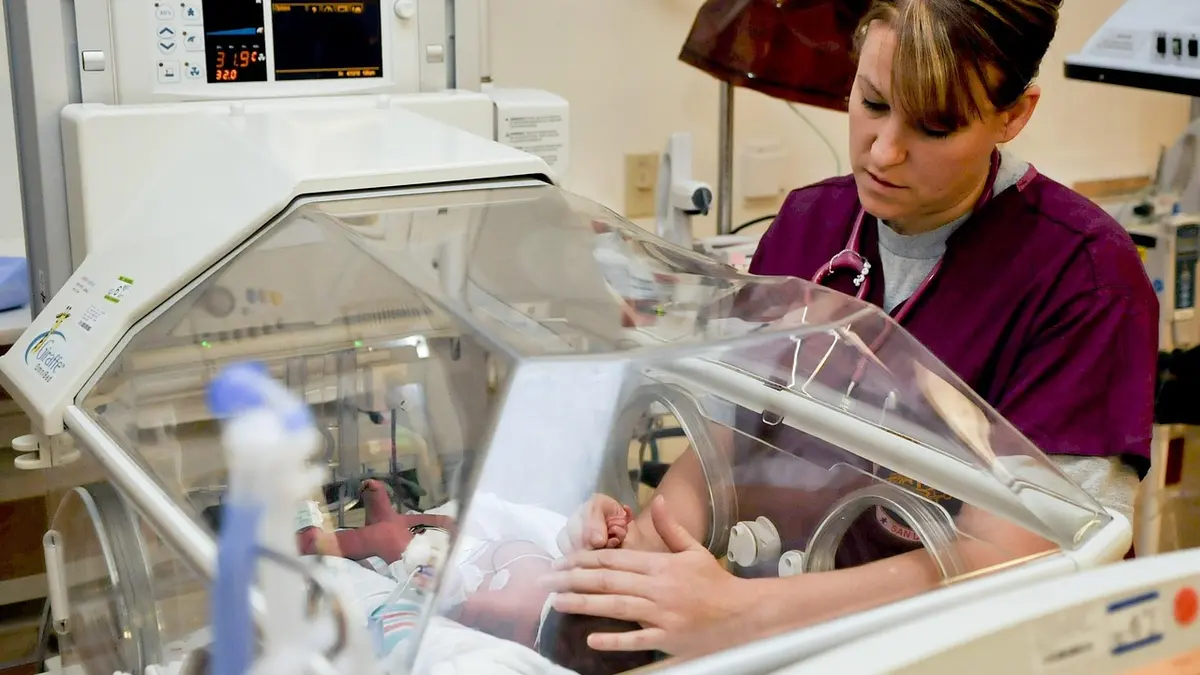
Traditional BSN vs accelerated BSN
A traditional Bachelor of Science in Nursing takes four years and assumes you start without a college degree. General education courses, prerequisite sciences, and the nursing major all happen inside those four years.
An accelerated BSN, often called ABSN or a second-degree BSN, is built for people who already hold a bachelor's degree in a different field, biology, business, psychology, anything. Your general education requirements are already met, so the program only teaches the nursing curriculum, on a compressed, full-time schedule.
How long each path takes
ABSN program length varies by school. George Mason University runs its accelerated second-degree BSN as a 12-month, full-time program. Pace University finishes its ABSN in 11 months. Oakland University spreads its accelerated track across four semesters, about 15 months. Most ABSN programs land somewhere between 11 and 18 months.
A traditional BSN runs the standard four academic years, roughly eight semesters, with summer and winter breaks that an ABSN schedule usually skips.
Admission requirements
A completed bachelor's degree from a regionally accredited college, in any major
Prerequisite science courses finished before you start: anatomy and physiology, microbiology, and often chemistry and statistics
A minimum GPA, overall and in prerequisite science courses, set by each school
Some programs require the TEAS or a similar entrance exam
ABSN applicants already hold a degree, so competition for seats often runs tighter than for traditional BSN programs. Prerequisite science courses need to be finished, not in progress, before most schools review your application.
Curriculum content
Both paths teach the same core nursing subjects: pharmacology, pathophysiology, adult health, pediatric and maternal-newborn nursing, mental health nursing, and community health, paired with supervised clinical rotations in hospitals and clinics. An ABSN teaches this content at a faster pace, running one course load after another with little downtime between rotations, instead of spreading it across four years alongside general education classes.
Don't confuse ABSN with RN-to-BSN
An accelerated BSN differs from an RN-to-BSN program. RN-to-BSN programs are for people who already hold an RN license through an associate degree and want to add a bachelor's degree, often part time while working as a nurse.
An ABSN is for people with no nursing background who hold a bachelor's degree in an unrelated field and want to become an RN for the first time.
Clinical rotation format
Traditional BSN clinical rotations spread across multiple semesters, often a few days a week alongside coursework. ABSN clinical rotations run full time in blocks, sometimes an entire week at a single site, since the compressed schedule leaves no room for a slower, part-time pace.
Pace and cost
ABSN programs run full time with no breaks between terms. Working a job alongside the coursework is difficult for most students.
The tradeoff is time: you reach the RN license in about a year instead of four.
Tuition for the nursing-only credits often lands close to what a traditional program charges for its nursing years, but you pay it within one year instead of four. Monthly costs during an ABSN program run higher even when the total nursing-credit cost stays similar. Federal financial aid through FAFSA applies to both paths, but some state and institutional grants built for first-time undergraduates exclude second-degree students, so check each school's financial aid office about which awards an ABSN student qualifies for before you commit.
Checking a program before you apply
Before committing to either path, look up a program's NCLEX-RN first-time pass rate through your state board of nursing website. State boards publish this data by school, giving you a direct measure of how well a program prepares its graduates for the licensing exam, on top of accreditation status.
Choose an accredited program
Whichever path you pick, confirm the program holds accreditation from the Commission on Collegiate Nursing Education (CCNE) or the Accreditation Commission for Education in Nursing (ACEN). State boards of nursing require a degree from an accredited program before they let you sit for the NCLEX-RN, regardless of which BSN route you took.
Same license at the end
Both paths result in the same degree, a BSN, and both make you eligible for the NCLEX-RN. Employers and state boards of nursing do not distinguish between a traditional BSN and an accelerated BSN once you hold the RN license. The scope of practice, the license, and the exam stay identical.
Which path fits you
| Situation | Better fit |
|---|---|
| No bachelor's degree yet | Traditional BSN |
| Already hold a bachelor's degree in another field | Accelerated BSN |
| Need to keep working through school | Traditional BSN, more scheduling flexibility |
| Want the fastest route to an RN license | Accelerated BSN |