How University Admission Works in Cameroon
By Muntasir • Published Dec 04, 2025 • Updated Sep 20, 2026 • African Countries & Cities, Africa Admissions & Exams
Cameroon runs two exam tracks side by side, the Baccalauréat for the French subsystem and GCE A-Level for the English subsystem, and both lead into the same public universities.
🎓 General faculties (arts, science, law, economics) take you in directly once you hold a Bac or GCE A-Level with the right subjects.
📩 Professional schools (engineering, medicine, agriculture, teacher training) run a separate competitive entrance exam called a concours.
⏱️ Concours notices appear on the MINESUP website from July, with exams typically held in August or September before the October intake.
💵 Registration at public universities costs a flat 50,000 FCFA a year for Cameroonian students in most faculties.
Missing a public university spot still leaves you options: private IPES institutions and, sometimes, a second exam session later in the year.
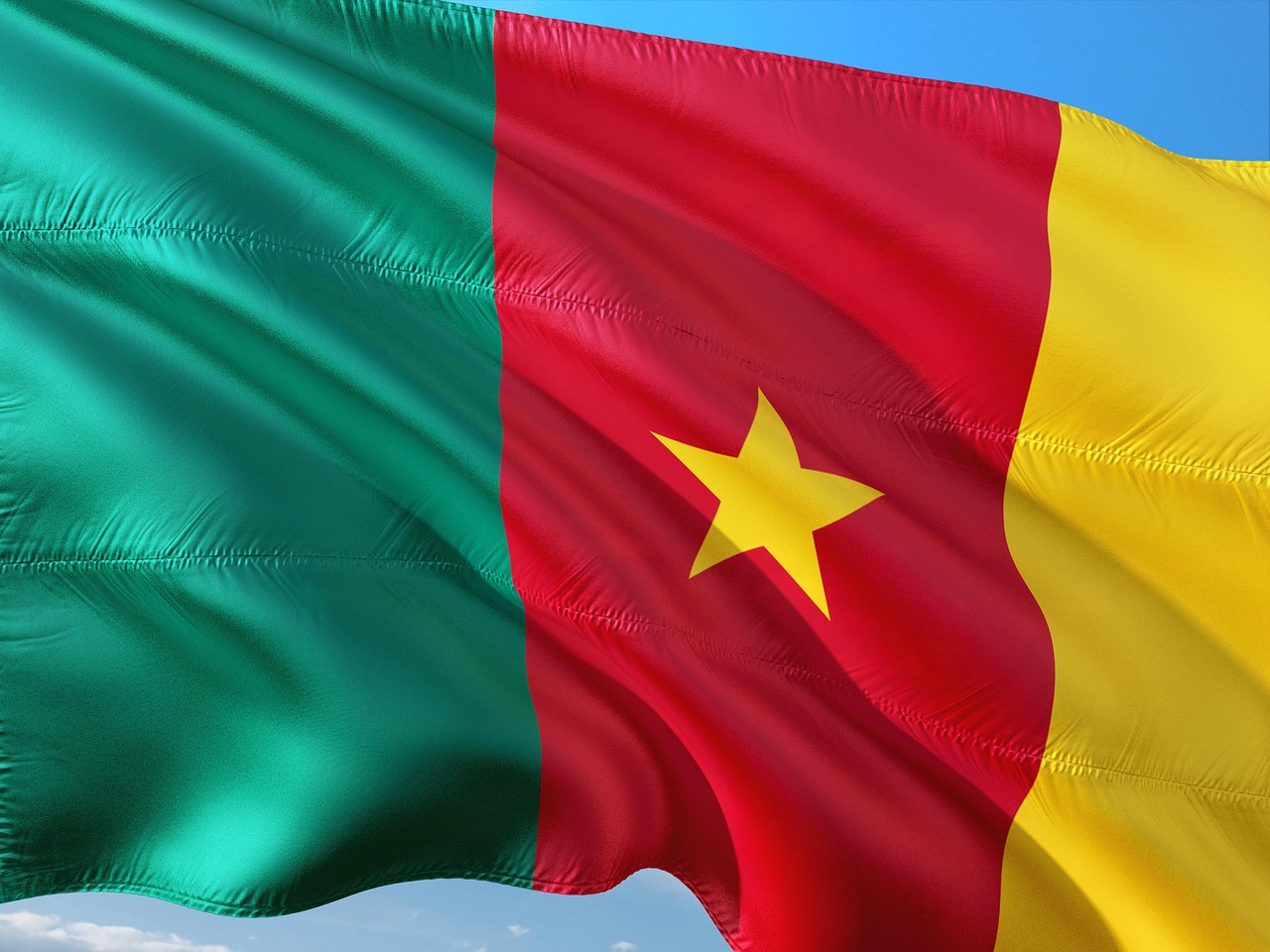
Two certificates, one admission system
Cameroon's education system runs two subsystems, French and English, side by side. Students who sit the Baccalauréat (série A, C, D, and others) come out of the French subsystem, while students who pass the GCE Advanced Level come out of the English subsystem. Both certificates carry equal standing for university entry, and the Ministry of Higher Education (MINESUP) oversees admission into every state university regardless of which subsystem you came from.
Cameroon's state university system includes Yaoundé I, Yaoundé II-Soa, Douala, Dschang, Buea, Bamenda, Ngaoundéré, and Maroua, among others. Buea and Bamenda teach mainly in English, the rest mainly in French, though most now run bilingual programs across departments. Your subsystem does not lock you into one university. A GCE A-Level holder registers at a mainly French-speaking university, and a Bac holder registers at Buea or Bamenda, as long as you follow instruction comfortably in that language.
Most public universities run their degrees on the Licence-Master-Doctorat (LMD) structure common across Francophone Africa: a three-year Licence (bachelor equivalent), a two-year Master, then a Doctorate. This applies whether you entered through a general faculty or a professional school, so the admission route you take affects how you get in, not the degree structure you follow once inside.
| Route | How you get in | Example institutions |
|---|---|---|
| General faculties | Direct registration with a Bac or GCE A-Level, no exam | Arts, Science, Law, Economics faculties at Yaoundé I, Douala, Buea, Dschang |
| Professional schools | Competitive concours, ranked by score against a fixed quota | Polytechnique, ENSET, FASA, medicine schools, ENAM |
General faculties: register with your certificate, no exam
Faculties of Arts, Science, Law and Political Science, Economics and Management, and Social Sciences admit students directly. You register with your original Baccalauréat or GCE A-Level certificate, or an attestation while you wait for the original, pick a department, and pay the registration fee at the university bursary.
Requirements vary slightly by faculty and university, but as a baseline you need the Bac in any series, or GCE A-Level passes built on a related O-Level base. Science faculties often ask for a Bac C or D, or A-Level passes in science subjects. Check the specific faculty's admission notice each year, since subject requirements shift by department from year to year.
Professional and specialized schools: pass a concours first
Professional schools work differently. These include the National Advanced Schools of Engineering (Polytechnique, ENSP), Higher Teacher Training Colleges (ENS, ENSET), the Faculty of Agronomy and Agricultural Sciences (FASA), medicine and health science schools, and public administration schools like ENAM. Seats in these schools are limited by quota, so admission runs through a competitive entrance exam called a concours.
MINESUP publishes a formal notice, an "arrêté", each year listing which schools are opening a concours, the required subjects, the application deadline, and the exam date. Notices appear on the MINESUP website from around July for exams held in August or September, ahead of the October academic year start. Most concours ask for a Bac C, D, or an agricultural Bac, or GCE A-Level passes in at least two science subjects, though exact requirements differ by school.
The exam itself is written, covering subjects tied to the course, mathematics and physics for engineering schools, biology and chemistry for health schools. Some schools add an interview or a physical test. Results appear on the school or MINESUP site, ranked by score against the available quota, so only top scorers get a seat. Seats in professional schools stay far below the number of applicants each year, since these programs feed directly into regulated careers such as engineering, teaching, and public administration, so treat the concours as a serious, separate preparation task rather than a formality after your Bac or A-Level.
Foreign or equivalent qualifications
If you hold a diploma from outside Cameroon, MINESUP handles equivalence recognition before you register at a state university. Submit your foreign certificate and transcripts to the ministry's equivalence unit well ahead of the registration period, since universities generally will not enroll you without a recognized equivalence decision. Build this step into your timeline early, as equivalence processing takes time separate from the university's own registration window.
Step by step: from results to registration
Get your Bac or GCE A-Level results, usually released between June and August.
Check MINESUP and your target university's site for that year's concours notices and general faculty registration dates.
For general faculties, register directly with certified copies of your certificate, birth certificate, photos, and the registration fee.
For professional schools, submit a concours application with your transcripts before the stated deadline, then sit the written exam.
Check the published results, ranked by score against the quota.
Complete registration at the bursary, paying the flat 50,000 FCFA fee charged at public universities such as University of Buea and University of Bamenda for national undergraduates.
If you miss a spot
Missing a concours or a registration deadline does not end your options. Several routes stay open:
General faculties at public universities keep registering into the new academic year for longer than professional schools, letting you enter a Bac-based faculty even after a missed concours.
Private institutions (IPES) accredited by MINESUP run their own admission timelines, often later and with rolling intake, giving you a second route into the same fields.
Some professional schools run a second concours session or additional intake when seats remain unfilled after the first round.
Higher National Diploma (HND/BTS) programs at technical institutes offer a shorter, vocational path with more flexible entry requirements.
Whatever route you take, confirm the institution's accreditation status on the MINESUP site before you pay any fee. Only MINESUP-recognized institutions and programs count toward a valid degree in Cameroon.