Cheapest Ways to Travel Around Europe as a Student
By Muntasir • Published Sep 15, 2023 • Updated Sep 20, 2026 • Student Life, Study in Europe, Money & Budgeting
Coaches are usually cheapest for short and medium trips, budget airlines win on long distances if you pack light, and trains cost more but drop you in the city center. Book early, travel midweek, and check baggage fees before you compare prices.
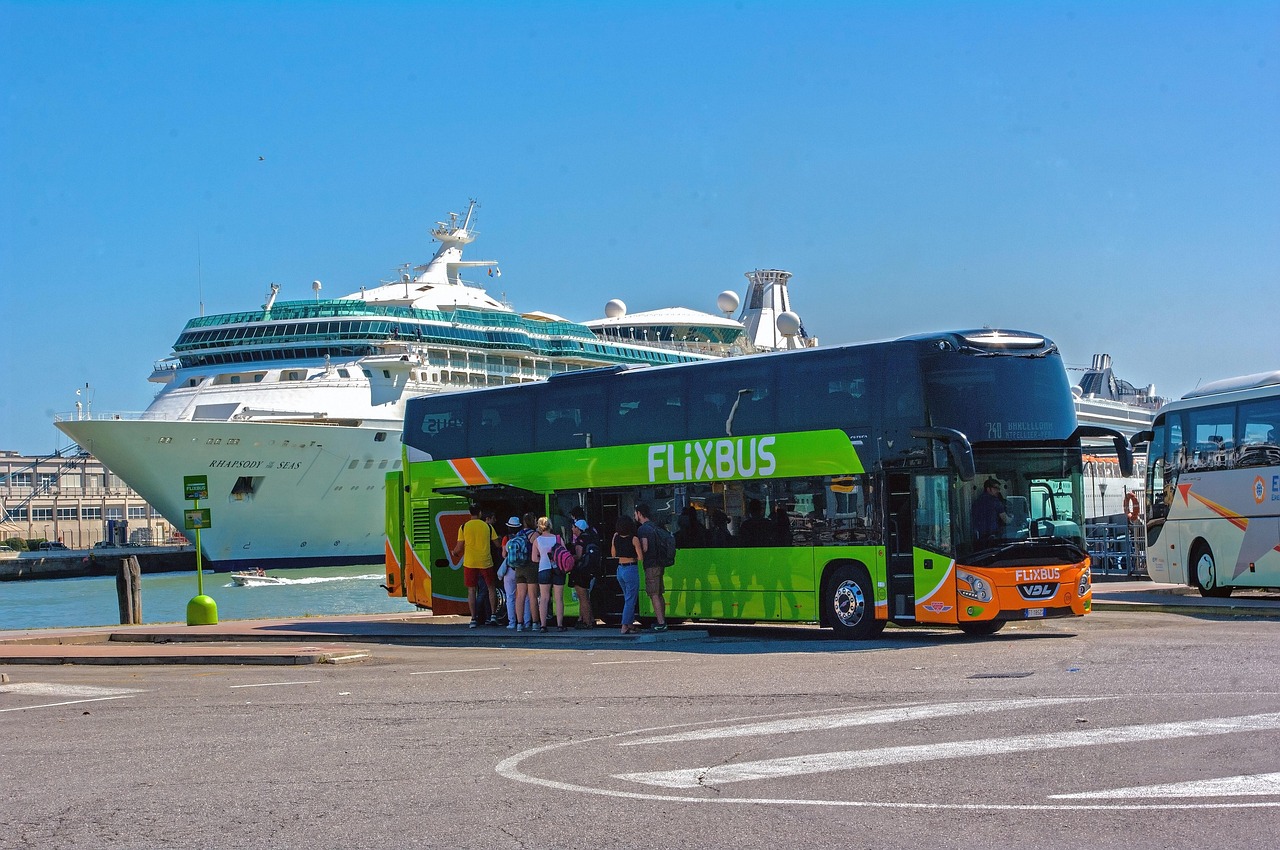
🚌 Flixbus and national coaches are usually cheapest for short and medium trips
✈️ Budget airlines beat coaches on long distances, but fees can double the fare
🚆 Trains cost more but save time and drop you at the city center
🌙 Night trains combine transport with a bed, cutting one night of accommodation
📅 Booking weeks ahead and travelling midweek cuts prices on every mode
🎒 Pack only a free personal item on budget airlines to dodge the biggest hidden fee
Match the transport to the trip
No single option wins every route. The cheapest way from Berlin to Prague is rarely the cheapest way from Lisbon to Rome. Compare coaches, budget airlines, and trains for your specific route and dates instead of assuming one mode always wins.
| Mode | Best for | Watch out for |
|---|---|---|
| Flixbus / national coaches | Short and medium trips on a tight budget | Longer journey time, fewer overnight options |
| Budget airlines | Long distances, tight time budget | Baggage and seat fees, airports far from city centers |
| Regional and national trains | City center to city center, frequent short hops | Higher base fare than coaches |
| Interrail Global Pass | Multi-country trips with lots of train travel | Only pays off above a certain number of trips |
| Night trains | Long single-country or cross-border routes | Limited routes, book seats or couchettes early |
Budget airlines: fastest for long distances, expensive if you overpack
Ryanair , Wizz Air , and easyJet publish low base fares, then charge separately for almost everything else: seat selection, priority boarding, checked bags, and any cabin bag bigger than the free personal item. That free item has to fit under the seat in front of you, and airlines enforce the size limit strictly at the gate, sometimes with an on-the-spot fee that costs more than paying online in advance.
Budget airlines make the most sense for trips over 1,000 km, where a coach eats a full day of travel. Keep your luggage down to one small bag, book directly through the airline rather than a third-party site, and add any extras during booking instead of at the airport, where the same add-ons cost more. Many budget flights also land at secondary airports outside the city center, so factor in the extra transfer time and cost before comparing the headline fare to a train ticket.
Flixbus and national coaches: cheapest for short and medium hops
Flixbus runs one of the largest coach networks in Europe, connecting major cities and smaller towns that budget airlines skip entirely. Fares for routes under a few hundred kilometers regularly undercut both trains and flights, and tickets usually include free wifi plus one item of hand luggage and one hold bag.
National coach operators fill in more routes within a single country, often at lower prices than Flixbus on domestic legs. Compare both before booking, since coverage and pricing shift by route and season.
Trains and youth rail cards: comfortable but pricier
Trains cost more than coaches on most routes, but they drop you in the city center, run more frequently, and let you work or rest in more comfort. If you travel by rail often within one country, check whether the national operator sells a youth discount card. Germany's Deutschlandticket and its student Semesterticket variant cover regional trains nationwide for a flat monthly fee, and other countries offer similar age-based discount cards worth checking before your first booking.
For trips across several countries, an Interrail Global Pass works out cheaper than buying each leg separately in many cases, especially if you're under 28 and qualify for youth pricing. Whether it pays off depends on how many trips fit into the validity window, so run the math on your actual itinerary first.
Night trains: save on transport and a bed at once
A handful of European night train routes cover long distances while you sleep, so you skip a night of accommodation and arrive in the morning ready to explore. They cost more than a daytime seat, but once you count the hostel night you'd otherwise pay for, the total often lands close to or below flying plus a hotel.
Booking habits that cut the price further
Book weeks ahead for flights and long-distance trains, since prices climb as departure gets closer
Travel midweek (Tuesday to Thursday) rather than Friday or Sunday, when demand and prices peak
Set fare alerts on a few routes instead of checking one date repeatedly
Compare the full price, including baggage and reservation fees, not just the headline fare
Check student and youth discounts on national rail sites before assuming a pass is cheaper
Clear cookies or use a private browser window when comparing fares repeatedly, since some sites show rising prices to repeat visitors
Mixing modes on one trip
You don't have to pick one mode for an entire trip. Flying into a cheap hub airport and taking a train or coach onward often costs less than a single expensive direct route, especially on legs budget airlines don't fly. Booking each leg separately also keeps the flexibility to swap out any single leg if a better fare shows up before you travel.
Student discount cards worth carrying
An International Student Identity Card (ISIC) gets you discounts on some rail, coach, and museum prices across Europe, on top of whatever age-based youth fares you already qualify for. It costs a small annual fee and pays for itself after a handful of discounted bookings across a typical semester abroad. Carry your university ID alongside it, since some operators check both before applying a discount.