CLEP and DSST Exams: Skipping Courses You Already Know
By Muntasir • Published Sep 18, 2026 • Updated Sep 20, 2026 • Education Planning
CLEP and DSST let you earn real college credit by passing a single exam instead of sitting through a semester course. A CLEP exam costs $97 plus your test center's fee, and covers 34 subjects from psychology to calculus.
💵 CLEP exam fee: $97 per test, plus a test center administration fee
🎓 34 CLEP exams across history, science, business, literature, and languages
📩 DSST covers 30+ titles across business, tech, math, and science
🏠 DANTES covers a service member's first-attempt DSST fees
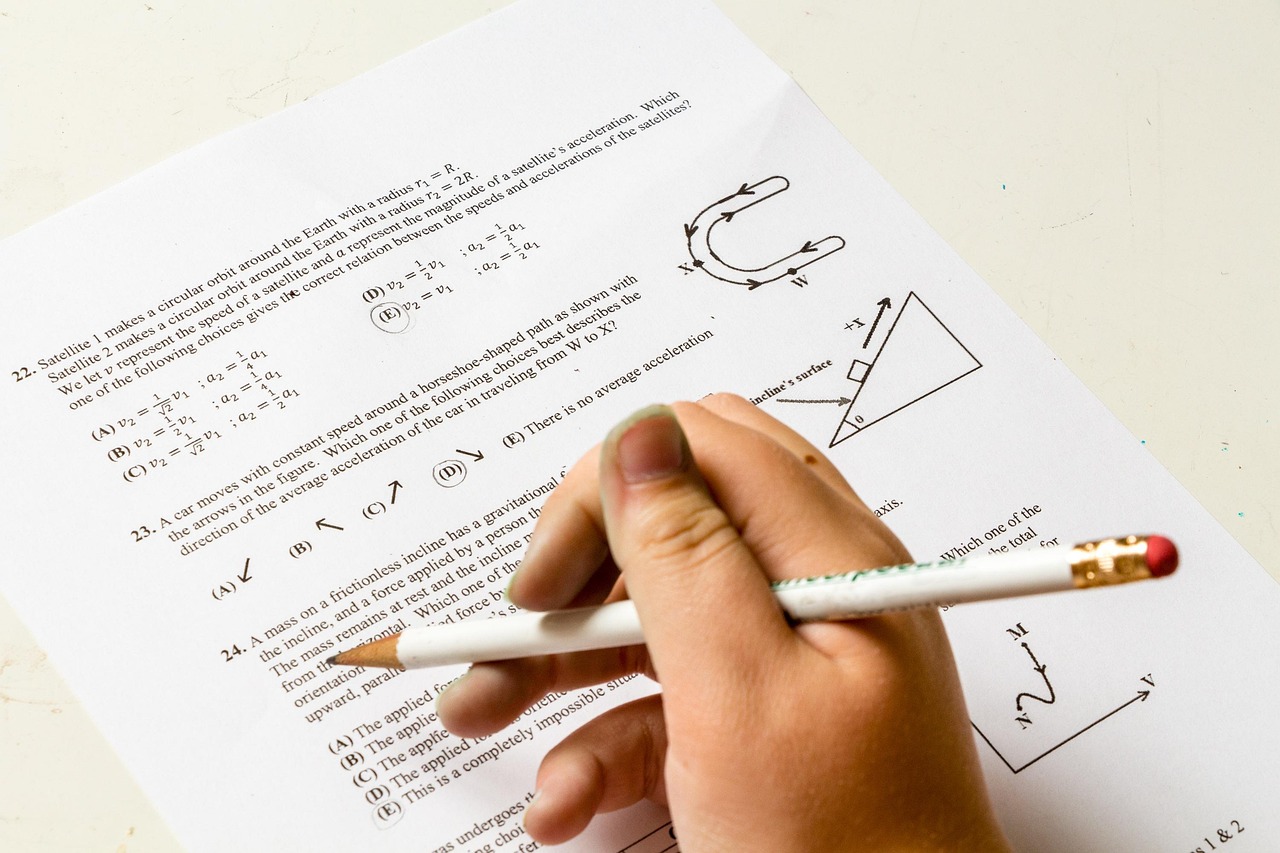
How credit-by-exam works
CLEP and DSST both let you take a single exam that covers the content of an entire intro-level college course. Pass the exam at your school's required score, and the college awards credit for that course without you sitting through a semester of lectures and assignments. CLEP runs directly through the College Board , and DSST runs through Prometric's getcollegecredit.com .
CLEP: 34 exams, one flat fee
CLEP offers 34 exams split across five categories: history and social sciences, composition and literature, science and math, business, and world languages. Each exam costs $97, and your test center adds its own administration fee on top of that, according to the College Board's CLEP exam list . Compare that total to the cost of a single college course at your school, and the exam usually costs a fraction as much even after the added fee.
DSST: a different subject mix
DSST covers more than 30 exam titles across business, humanities, math, physical sciences, social sciences, and technology, according to getcollegecredit.com . DSST fits adult learners and military-connected students particularly well, since DANTES covers the fee for a service member or eligible spouse's first attempt at each exam. Check current pricing directly on the DSST site before you register, since fees are not listed the same way across every subject page.
Check your school's policy before you register
Passing an exam does not automatically guarantee credit. Each college sets its own minimum passing score and decides which of its own courses a given exam replaces. Some schools cap the total number of credit-by-exam units they accept toward a degree, and a few competitive majors do not accept CLEP or DSST credit for required courses in the major itself.
Before you pay for any exam, search your target school's catalog or contact the registrar's office and ask two direct questions: what score do you need on this specific exam, and which of your degree requirements will it satisfy. Get the answer in writing or as a screenshot, since credit policies change between catalog years.
How to prepare
Both testing programs sell official study guides and offer sample questions on their websites. Community college libraries often stock CLEP prep books you can borrow at no cost. Give yourself a few weeks of review even in a subject you know from experience, since the exams test specific terminology and concepts a college course would cover, not general familiarity with the topic.
Retake rules
If you do not pass, both CLEP and DSST require a waiting period before you can retake the same exam, and you pay the fee again for each attempt. Check the specific waiting period on the exam's own page before you schedule a retake, since it varies by testing program.
When credit-by-exam makes sense
You already studied the subject through a job, hobby, military training, or self-study and can pass a college-level test on it.
You want to lighten a future semester's course load without taking on extra tuition costs.
You are behind on general education requirements and want a faster way to clear them.
Your target school publishes a clear policy accepting the specific exam you plan to take.
Skip an exam if your major requires the classroom version of that course for accreditation reasons, since some nursing and engineering prerequisites work this way regardless of your exam score.
How scores turn into credit recommendations
The American Council on Education reviews CLEP and DSST exams and issues a recommended minimum score for college credit, which most participating schools use as their baseline passing score. Individual colleges can set a higher bar than the ACE recommendation if they want, so a passing score at one school does not always guarantee the same result at another. Always confirm the specific score your target school requires rather than assuming the general recommended minimum applies everywhere.
Exam format to expect
Most CLEP and DSST exams run as computer-based multiple choice tests you take at an approved test center or through a remote-proctored session at home. A few CLEP subjects, such as English Composition with Essay, add a written portion graded separately from the multiple choice section. Expect roughly 90 minutes to 120 minutes per exam depending on the subject, with a short tutorial before the timed portion begins.
Bring a valid government-issued photo ID to your test session, since both CLEP and DSST require identity verification before you can start. Remote-proctored sessions add extra steps, such as a room scan on webcam and a stable internet connection check, so build in extra time before your scheduled start rather than logging on at the last minute.
Where to send your official score report
Passing a CLEP or DSST exam does not automatically add credit to your transcript at every school you might attend later. You typically need to request an official score report sent directly to each college where you want the credit applied, which can carry its own small fee separate from the exam fee itself. Do this as soon as you pass, rather than waiting until closer to enrollment, since processing and delivery take time.