What ECTS Credits Are and How Workload Is Calculated
By Muntasir • Published Dec 03, 2023 • Updated Sep 27, 2026 • Education Planning, Study in Europe
One ECTS credit stands for 25 to 30 hours of student work. A full-time academic year equals 60 credits and roughly 1,500 to 1,800 hours.
⏱️ 1 ECTS credit = 25-30 hours of total workload
🎓 60 ECTS = 1 full-time academic year
30 ECTS = 1 semester, 20 ECTS = 1 trimester
Workload counts lectures, seminars, self-study and exams, not only class time
Credits transfer between universities inside the Bologna system through learning agreements
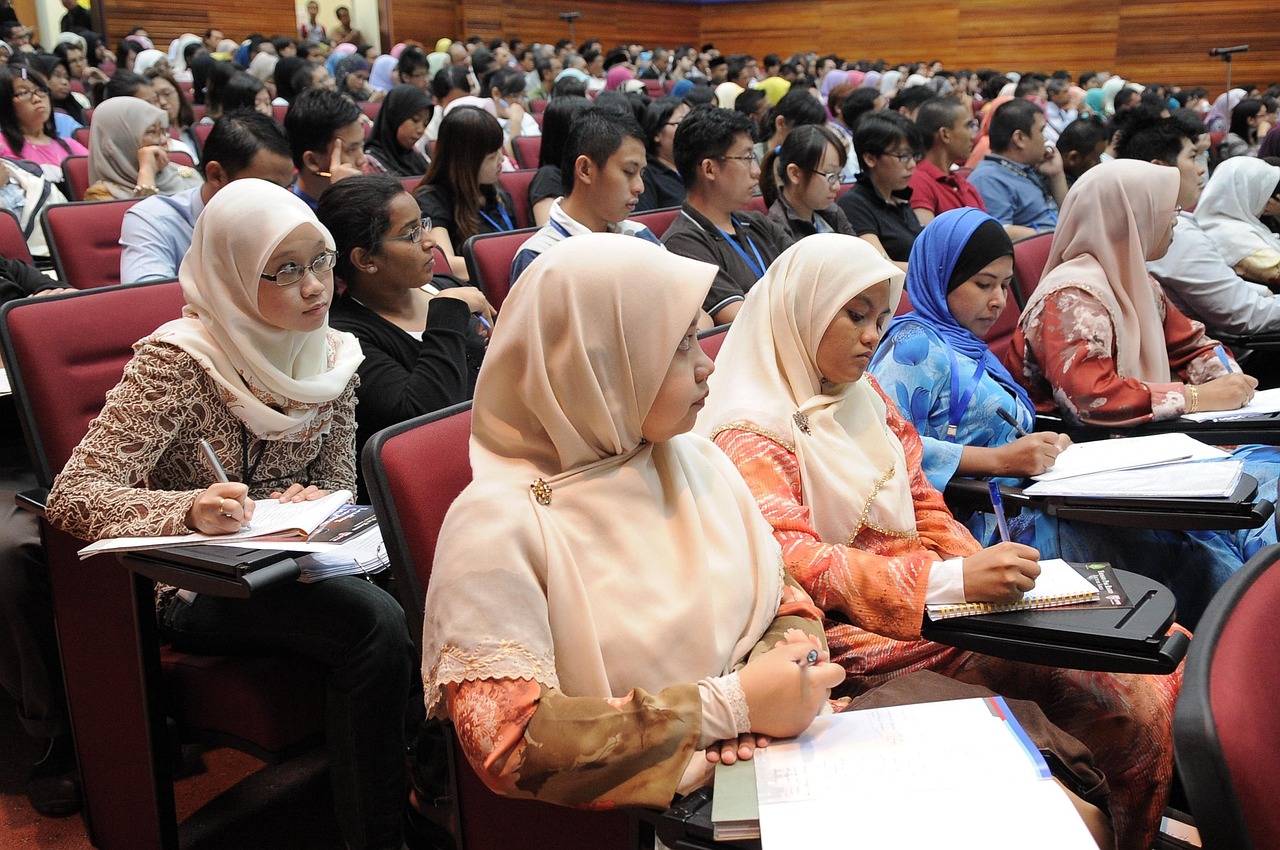
What ECTS measures
The European Credit Transfer and Accumulation System (ECTS) measures how much work a course takes, not how many hours you sit in a classroom. One credit stands for 25 to 30 hours of total student workload, according to the European Commission's ECTS framework . That workload includes lectures, seminars, independent study, group work, preparation and exams.
How workload converts to credits
A full-time student workload across a European academic year runs 1,500 to 1,800 hours in most countries. Divide that by 60 credits and you get the 25-30 hour range per credit. A single course worth 6 ECTS represents 150 to 180 hours of combined class time and independent work across the semester, not 6 hours a week.
Universities set the exact hour figure within that range and publish it in the course catalogue. Check your specific university's conversion rate rather than assuming 25 or 30 hours, since both are used across Europe.
Credits per academic period
| Period | ECTS credits | Approx. workload |
|---|---|---|
| Full academic year | 60 ECTS | 1,500-1,800 hours |
| One semester | 30 ECTS | 750-900 hours |
| One trimester | 20 ECTS | 500-600 hours |
What counts toward the total
Your workload total is not only contact hours in a lecture theater. It adds scheduled teaching (lectures, seminars, labs), assessed work (essays, projects, presentations), independent reading and revision, and the exam itself. A 6-ECTS course with 3 hours of weekly lectures across a 12-week semester accounts for only 36 of its 150-180 total hours. The rest comes from the work you do outside class.
Credits across the three cycles
A Bachelor degree carries 180 to 240 ECTS. A Master carries 60 to 120 ECTS, with at least 60 required at that level. Doctoral study follows no fixed ECTS range, since it centers on research rather than taught modules.
Calculating your own study load
Add up the ECTS credits for your registered courses each semester. A standard full-time semester load is 30 ECTS. Anything above that signals a heavier workload than average, and anything under it usually means part-time status. Universities cap the maximum credits you register for per semester, so check your program handbook before overloading your schedule.
Using ECTS to transfer credits abroad
ECTS exists to make credits portable. When you study abroad through Erasmus+ or a bilateral exchange, your home and host universities sign a learning agreement that lists the ECTS value of each course you take abroad. On return, your home university converts those credits into your degree, provided the workload and learning outcomes match.
Grade conversion works separately from credit transfer. Passing a course abroad transfers the credits. Converting the grade itself into your home scale follows a different process, covered in a separate guide on converting grades between countries.
Credit recognition is not automatic if the learning agreement was never signed or if the course content does not match what your home university expected. Sign the learning agreement before you travel, and keep any changes to it documented and approved by both universities, so the credits transfer without a dispute after you return.
ECTS versus credit systems outside Europe
Countries outside the Bologna framework often run their own credit systems with different hour equivalences. A US credit hour, for instance, does not map one-to-one onto an ECTS credit, so universities publish their own conversion tables for exchange purposes, and the ratio used varies by institution. Always check your specific host or home university's published conversion table rather than assuming a fixed ratio.
Why the workload convention matters when choosing courses
Two courses worth the same 6 ECTS should demand roughly the same total effort, even if one runs as weekly lectures and the other as a single intensive block. This lets you compare unfamiliar course formats fairly when building your semester schedule. A short, intensive 5-ECTS block over two weeks packs the same rough workload as a 5-ECTS course spread across a full semester, so budget your time accordingly instead of assuming the shorter format means less work.
Common mistakes students make with ECTS
Assuming ECTS credits measure only classroom hours, not total workload
Registering for more than 30 ECTS a semester without checking the university's cap
Confusing credit transfer, automatic once a course is passed, with grade conversion, which needs a separate scale
Comparing raw credit numbers between a Bologna country and a non-Bologna country without checking the actual hour equivalence