How the Egyptian Pound Devaluation Affects Private University Tuition
By Muntasir • Published Aug 07, 2026 • Updated Aug 08, 2026 • Money & Budgeting
Egypt's pound has lost most of its value against the dollar since it floated in 2016, with a sharp devaluation round in 2022-2024 that pushed many private and international-branch universities to price tuition partly in dollars or index it upward each year. The pound hit a record low near EGP 54.86 to the dollar in April 2026 before easing to around EGP 49.8 by August 2026.
- 💵
Public universities keep fees low and set in Egyptian pounds, largely shielded from currency swings
- 🏠
Private and international-branch universities often review EGP tuition yearly or quote part of the fee in US dollars
- 📩
A flat EGP sticker price can still mean rising real cost if the university adjusts it each year to track the dollar
- 🎓
Ask whether your fee has a currency or inflation escalation clause before you enroll
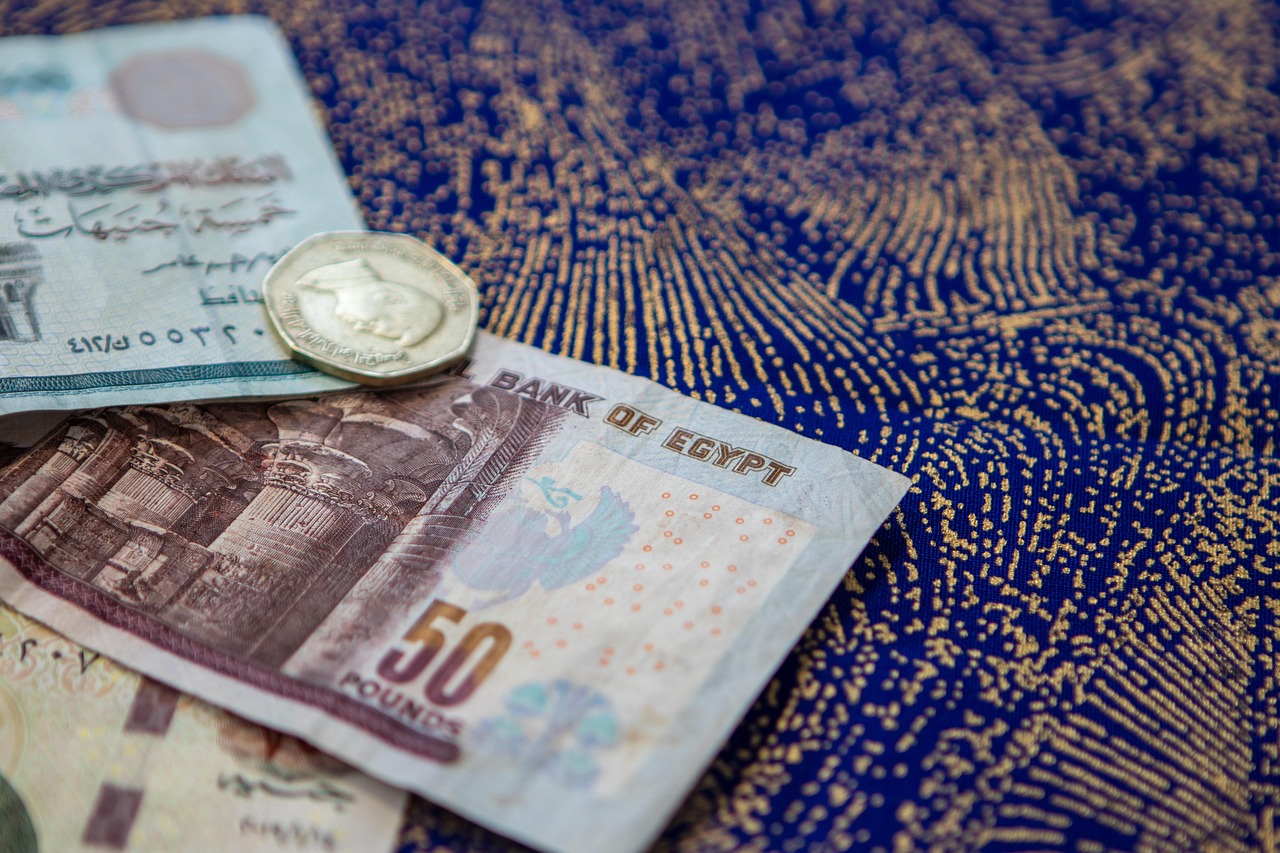
Why a weaker pound changes your tuition bill
Egypt's public universities set tuition centrally and keep it low relative to private options, largely insulated from currency swings. Private and international-branch universities work differently. Many pay foreign faculty, license curricula from partner institutions abroad, and import lab and IT equipment, all priced in dollars or euros. When the pound weakens, these schools face rising costs in local currency terms and typically pass part of that increase on through higher EGP tuition or a fee quoted partly in dollars from the start.
The pound's long slide
Egypt floated its currency in 2016, ending a long-fixed peg, and the pound has weakened in stages since then, with steep single devaluations in 2022 and again in March 2024 as part of a currency reform tied to an International Monetary Fund support programme. The slide continued into 2026, with the pound touching a record low near EGP 54.86 to the dollar in April 2026 before strengthening back to around EGP 49.8 by August 2026, according to exchange rate data . Each devaluation round has historically triggered a fresh look at private university pricing.
Why some universities quote fees in dollars
A number of long-established private universities in Egypt, including the American University in Cairo, have quoted all or part of their tuition in US dollars for years, a practice that predates the recent devaluations. This protects the university's real revenue but shifts currency risk entirely onto the family paying in pounds, since the EGP amount due changes whenever the exchange rate moves. Other private and international-branch universities instead keep tuition in pounds but revise the figure each academic year, which achieves a similar effect more gradually.
What families actually pay year to year
A pound-denominated fee that looks unchanged from one year to the next is rare at fully private institutions once you account for annual reviews. If a university holds its EGP tuition flat while the pound weakens, its real dollar revenue falls, so most either raise the EGP figure at enrollment renewal or build an increase into the contract from the start. Ask for the fee schedule for your entire programme, not just the entry year, and confirm in writing whether any dollar-linked or inflation-linked clause applies.
Beyond tuition: living costs move too
Rent, imported food, textbooks and transport in Cairo and Alexandria all carry some dollar exposure, since fuel, vehicle parts and many packaged goods are imported or priced against global benchmarks. A weaker pound raises these costs even for students at public universities who pay little in tuition. Budget rent and living costs separately from tuition, and expect both to move with the exchange rate rather than staying flat for a full programme.
Comparing public and private before you commit
Public and national universities remain the lowest-cost route through Egyptian higher education, with tuition set administratively and largely stable in pound terms. Private and international-branch universities offer different programme structures, dual-accreditation options and, in some cases, English-medium instruction, but at a real cost that moves with the exchange rate. Weigh a private offer against the equivalent public programme, and factor in a currency buffer if you plan to pay across several years.
Questions to ask before enrolling at a private university
Is the fee quoted in EGP, USD, or a mix of both?
Does the contract include a currency or inflation escalation clause?
What was the year-on-year fee increase for the past two or three academic years?
Can you pay per semester instead of committing the full programme cost up front?