F-1 Visa Interview Preparation for Filipino Students Heading to the US
By Muntasir • Published Sep 18, 2026 • Updated Sep 20, 2026 • Visas & Student Mobility, Study in Southeast Asia
Filipino F-1 applicants pay two government fees before the visa interview at the US Embassy in Manila: the $350 SEVIS I-901 fee and the $185 DS-160 fee. Since June 2025 the State Department also requires you to set your social media accounts to public and list handles used in the past five years.
📩 Pay the SEVIS I-901 fee ($350) once your school issues your I-20
💵 Pay the DS-160 fee ($185) when you schedule your interview
Bring your I-20, DS-160 confirmation page, passport, and financial proof
Set every social media account to public before your interview
List all social media handles used in the last 5 years on the DS-160
Prepare clear, specific answers about your study plan and ties to the Philippines
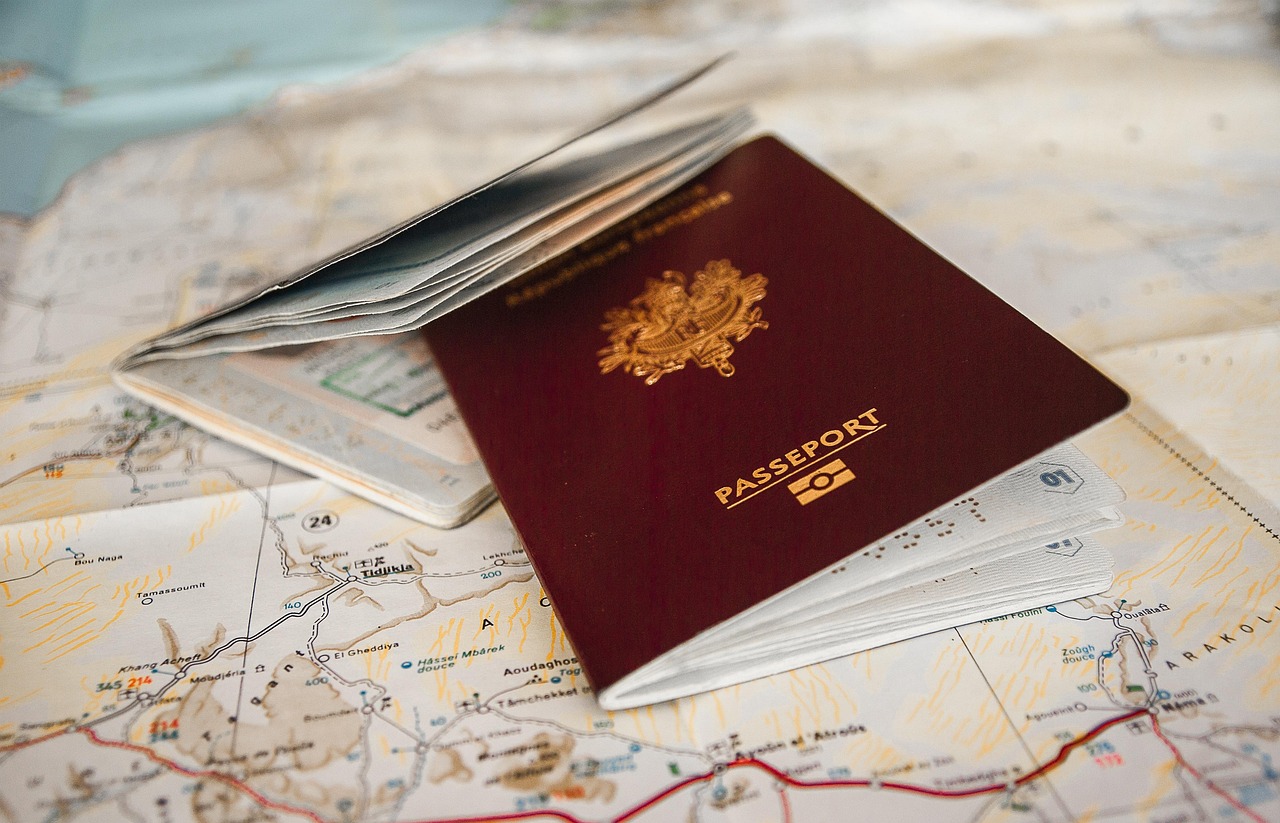
Fees You Pay Before the Interview
Every F-1 applicant pays two fees before stepping into the US Embassy in Manila. Your school issues Form I-20 once you accept your offer, and you pay the SEVIS I-901 fee tied to that I-20 before your visa interview. The fee is $350 for F-1 students, paid directly through the Study in the States payment portal, not at the embassy.
The second fee is the DS-160 nonimmigrant visa application fee, also called the MRV fee. This fee rose to $185 in 2025, according to the Bureau of Consular Affairs fee schedule . Pay it when you schedule your interview appointment and keep both receipts. The consular officer asks for your SEVIS receipt at the window, and your DS-160 confirmation page carries a barcode the embassy scans.
| Fee | Amount | Paid to |
|---|---|---|
| SEVIS I-901 | $350 | Study in the States portal |
| DS-160 (MRV) | $185 | Visa appointment service |
Documents to Bring to the Interview
Arrive at the embassy in Manila with a complete folder. Missing paperwork is the fastest way to add weeks to your file.
Form I-20 signed by you and your school's designated official
DS-160 confirmation page with the barcode
Passport valid at least six months past your intended stay
One passport-style photo meeting the DS-160 photo specs
SEVIS I-901 fee receipt
Bank certificates, scholarship letters, or sponsor affidavits covering tuition and living costs for your first year
Academic transcripts, diplomas, and standardized test scores your school required for admission
Evidence of ties to the Philippines: family, property, a job offer, or enrollment plans after graduation
Where You Attend the Interview
The US Embassy in Manila handles F-1 visa interviews for the entire Philippines, since the country runs no separate US consulate for visa services. Schedule your appointment through the official visa appointment portal linked from the embassy's website, not through an agent or middleman who charges a booking fee. Arrive with printed copies of your documents even though most of the process runs on scanned barcodes, since officers sometimes ask to see a hard copy.
The 2025-26 Social Media Vetting Rule
On June 18, 2025 the State Department issued guidance that changed what happens before your interview. Officers now run a wider review of your online presence as part of screening for F, M, and J visa applicants, according to the State Department announcement . Set the privacy settings on every social media account you use to public before you apply. The DS-160 form asks you to list every social media handle you used over the past five years, and false information here risks a visa denial.
The department paused new F, M, and J visa appointments from May 27, 2025 while embassies rolled out the new screening steps, then resumed scheduling around June 26, 2025. Officers look for content that signals support for terrorism or hostility toward the United States. Do not switch accounts private right before your interview. Officers check what is publicly visible at the time they review your case, and a private account right before the interview raises questions rather than avoiding them.
Questions the Consular Officer Will Ask
Interviews at the Manila embassy run short, often under five minutes. The officer decides fast, so answer directly.
Why did you choose this school and this program?
Who pays for your tuition and living costs, and how much do they earn?
What do you plan to do after you finish your degree?
Do you have family or a job to come back to in the Philippines?
Why not study the same program in the Philippines?
Answer in your own words instead of reciting a memorized script. Officers approve or refuse under section 214(b) of the Immigration and Nationality Act on the spot in most cases, based on whether you show enough ties to the Philippines to convince them you intend to return after your studies.
What Counts as Strong Ties to the Philippines
Officers look for concrete reasons you will come back rather than overstay. Useful evidence includes a family business you are set to join, a job offer conditional on your degree, property or a family home registered in your name or your parents' names, or enrollment in a licensure track that only makes sense if you practice in the Philippines. A vague statement about missing family carries less weight than a specific plan tied to your career.
When to Schedule Your Interview
Apply for your visa as soon as you pay the SEVIS fee and receive your I-20. Interview wait times at the Manila embassy shift by season, and students heading into the August intake tend to book slots from April through June, when demand peaks. Book early so a delay does not push back your travel date.
After the Interview
An approved visa usually returns to you through the courier service within a few business days. If the officer places your case in administrative processing under section 221(g), you receive a slip explaining what is missing, and the wait varies by case depending on the extra document or check involved. Track your status through the same portal you used to schedule your appointment rather than emailing the embassy directly.