How Higher Education Works in Finland: Degrees, Universities and the Academic Year
By Muntasir • Published May 09, 2024 • Updated Aug 08, 2026 • Education Planning, Study in Europe, Country & City Guides
Finland runs a two-track higher education system: 13 research universities and around 23 universities of applied sciences (UAS). Bachelor's degrees take 3-4 years, most teaching happens in Finnish, Swedish or English, and the academic year splits into an autumn and a spring semester.
🎓 Universities focus on research and theory, UAS focus on professional, practice-based training.
University Bachelor's: 180 ECTS, 3 years. UAS Bachelor's: 210-240 ECTS, 3.5-4 years.
Master's degrees follow at both types of institution.
UAS Master's requires at least 3 years of work experience first.
Doctoral degrees exist only at universities and never charge tuition.
📩 English-taught programmes are common, especially at Master's level.
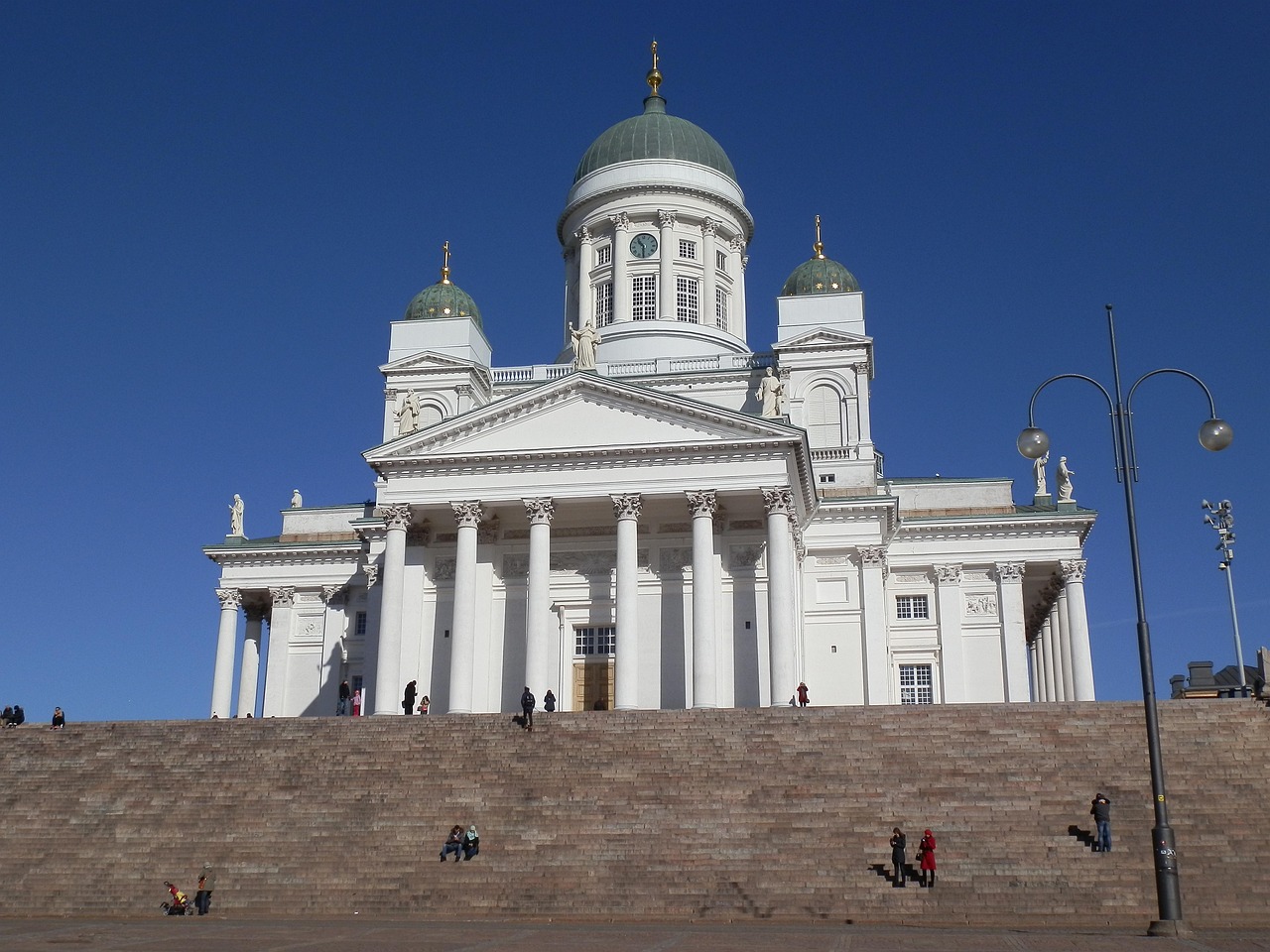
Two types of higher education institution
Finland splits higher education into two separate tracks that do not merge into each other. Universities (yliopistot) run research-based programmes across academic fields like science, medicine, law and the humanities. Universities of applied sciences, or UAS (ammattikorkeakoulut), run practice-based programmes built around a profession, such as nursing, engineering or business.
According to the Eurydice national description , Finland has 13 universities and around 23 universities of applied sciences under the Ministry of Education and Culture. A separate military institution, the National Defence University, also grants degrees but sits outside this civilian system. Pick your track based on career goals: research and further academic study point toward a university, while a job-ready professional degree points toward a UAS.
Degree structure and length
Finland follows the Bologna two-cycle model, so your path runs through a Bachelor's degree first, then a Master's, with a Doctorate as an optional third cycle. Credits are measured in ECTS, the same system used across most of Europe, where one full academic year of study equals 60 ECTS.
| Degree | Institution | ECTS | Typical length |
|---|---|---|---|
| Bachelor's | University | 180 | 3 years |
| Bachelor's | UAS | 210-240 | 3.5-4 years |
| Master's | University | 120 | 2 years |
| Master's | UAS | 60-90 | 1.5-2 years, after 3+ years of work experience |
| Doctorate | University | varies | 3-4+ years |
The Eurydice structure page confirms these ECTS ranges. One detail sets Finland apart from many countries: a UAS Master's degree only opens up after you have worked in the field for at least three years following your Bachelor's. This makes the UAS Master's a mid-career qualification rather than a direct continuation of undergraduate study. Doctoral programmes sit only at universities and, per Study in Finland , stay free of tuition for every student regardless of nationality, unlike some Bachelor's and Master's programmes.
Academic year and calendar
The academic year runs in two semesters. Autumn semester starts in late August or early September and runs to December. Spring semester starts in January and runs to May or early June. Most degree programmes admit students once a year, at the start of the autumn semester, though some Master's programmes also open a smaller January intake. Build your application timeline around the autumn start unless your target programme states otherwise.
Language of instruction
Finland has two official languages, Finnish and Swedish, and most Bachelor's programmes teach in one of these. Swedish-medium programmes cluster around the Swedish-speaking regions and institutions such as Åbo Akademi and Hanken. English-taught programmes have grown fast, especially at Master's level, where you can find full degrees taught entirely in English across most universities and UAS. Check the language of instruction on each programme page on Studyinfo.fi before applying, since it decides which language test you need to submit.
How Finland compares within Europe
The Bologna structure means your Finnish degree transfers cleanly to credit systems in other European countries, and Finnish qualifications carry strong international recognition. The main structural difference from countries with a single university track, such as the UK, is the hard split between universities and UAS. Whichever track you pick determines your teaching style for the whole degree: theory-heavy and research-oriented at a university, or applied and industry-linked at a UAS.
What ECTS and the two-cycle model mean in practice
ECTS (European Credit Transfer and Accumulation System) measures your workload, not just contact hours. One credit stands for around 25-27 hours of total study time, including lectures, independent reading, assignments and exams. A full-time year of study lines up with 60 ECTS, so a 180 ECTS Bachelor's takes three years of full-time work and a 120 ECTS Master's takes two. Because ECTS is standard across the European Higher Education Area, credits you earn in Finland transfer cleanly if you later study, do an exchange, or apply for a job in another European country.
The two-cycle model also means you graduate with a complete, employable qualification at each stage. A Finnish Bachelor's degree stands on its own in the job market, and moving on to a Master's is a separate decision and a separate application, not an automatic continuation. Most Bachelor's programmes end with a thesis, and most Master's programmes end with a longer, more research-heavy thesis, both required to graduate.
Fields split by institution type
Some fields exist almost exclusively at one type of institution. Medicine, law, theology and most PhD-track sciences sit only at universities. Nursing, physiotherapy, social services and many engineering and business degrees sit mainly at UAS, built around a placement or internship period as a required part of the degree. A few fields, including engineering and business, run at both types of institution with a different emphasis: theory and research at a university, applied skills and workplace readiness at a UAS. Check which track actually offers your target field before you build a shortlist, since not every subject exists on both tracks.
Admission is selective
Finnish higher education does not guarantee a place to every qualified applicant. Popular programmes, especially in Helsinki and in fields like medicine, psychology and business, receive far more applicants than available spots and use entrance exams or grade-based ranking to select students. Build extra study time into your application timeline if your target field runs a competitive entrance exam, and treat a strong upper secondary record as necessary but not sufficient on its own.