Mastercard Foundation Scholars Program at African Partner Universities: How to Apply
By Muntasir Minhaz • Published Aug 07, 2026 • African Scholarships & Student Funding
The Mastercard Foundation Scholars Program pays for undergraduate and graduate study at its partner universities, which the Foundation says are primarily in Africa, including Ashesi University, the University of Rwanda and Kwame Nkrumah University of Science and Technology. You do not apply to the Foundation directly. You apply through the admissions office of the partner university you want to attend.
🎓 Covers tuition, accommodation, meals, books, travel and a leadership development track
💵 The Foundation says it has committed over 58,000 scholarships and aims to double that impact by enabling 100,000 young people to access higher education by 2030
📩 Apply through your chosen partner university's own admissions and scholarship page, not a central portal
Selection weighs academic merit, leadership potential, financial need and commitment to giving back
What the Mastercard Foundation Scholars Program pays for
The Mastercard Foundation Scholars Program is one of the largest scholarship initiatives on the continent. It funds full degree study, tuition, accommodation, meals, books, travel to and from campus, and a mentorship and leadership program that runs alongside your coursework.
The goal is to develop leaders who use their education to benefit their communities, not just to fund a degree in isolation, according to the Mastercard Foundation . The Foundation says it has committed over 58,000 scholarships so far and aims to double that impact by enabling 100,000 young people to access higher education by 2030.
Which universities take part
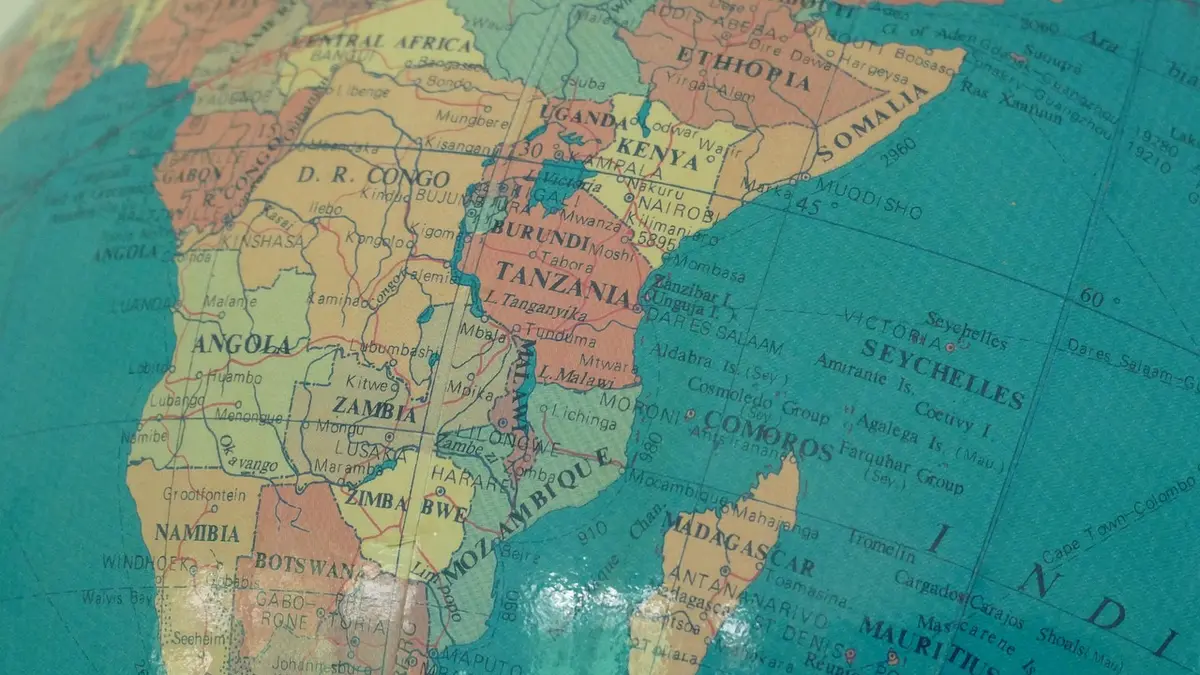
Partner institutions are spread across Africa, with additional partners in North and Central America, Europe and the Middle East that host African scholars for part of their studies. African partner universities include Ashesi University in Ghana, Kwame Nkrumah University of Science and Technology, Makerere University in Uganda, the University of Rwanda, the University of Cape Town, the University of Pretoria, the University of Gondar in Ethiopia and the University of Abomey-Calavi in Benin. Each partner runs its own scholar cohort and sets its own subjects, intake numbers and deadlines.
Who can apply
Eligibility varies slightly by partner, but the program consistently looks for students who show academic excellence in secondary or undergraduate results, leadership experience in school or community activities, and clear financial need. You should also be able to explain how you plan to use your degree to benefit your community or country after you graduate. Some partners prioritize specific groups, such as students from refugee backgrounds, students with disabilities, or women in fields where they are underrepresented.
How to apply, step by step
Go to the Mastercard Foundation Scholars Program pages and identify partner universities that offer your intended field of study and degree level.
Open the scholarship page of each university you are interested in and read its specific eligibility rules, required documents and deadline.
Apply for admission to the university itself first, since the scholarship is tied to being admitted as a student there.
Submit the scholarship application alongside or after your admission application, following the exact document list the university asks for. This usually includes academic transcripts, a personal statement, proof of financial need and references.
Attend any interview or additional assessment the partner university schedules as part of its selection process.
Because applications go through the university, not the Foundation, timelines differ from one partner to another. A university in Ghana may open its scholar intake on a different schedule from one in Rwanda or South Africa.
Confirm the exact deadline on the specific university's page rather than assuming a single continent-wide date.
What selection committees look for
Reviewers at partner universities rate applicants on four broad areas: academic record, leadership potential, financial need and the strength of your plan to give back. A strong application shows evidence, not just claims. List specific leadership roles you held, describe a problem you solved for your school or community, and explain your financial situation plainly rather than in general terms.
After you become a scholar
Beyond tuition and living costs, scholars join a structured program that includes mentorship, internships, and networking with other scholars across the partner network. Many partner universities also expect scholars to take part in community service or outreach activities during their studies. Read the Mastercard Foundation FAQ and your specific university's scholar handbook for the exact obligations attached to your award before you accept it.