Mining Engineering and Geology Degrees in Africa's Resource Economies
By Muntasir • Published Sep 07, 2025 • Updated Sep 20, 2026 • Fields of Study
Mining engineering and geology degrees train you to find, extract and manage mineral resources, and they lead directly into jobs across Africa's mining-driven economies like South Africa, Ghana, Zambia and the DR Congo.
🎓 Core degrees: mining engineering, geology, metallurgical engineering and mineral economics.
🏠 Dedicated mining universities exist in South Africa, Ghana and Zambia.
💵 Graduates work for mining houses, geological surveys, smelters and environmental consultancies.
⏱️ Bachelor's programs run 4-5 years, with postgraduate specializations available.
What mining engineering and geology study
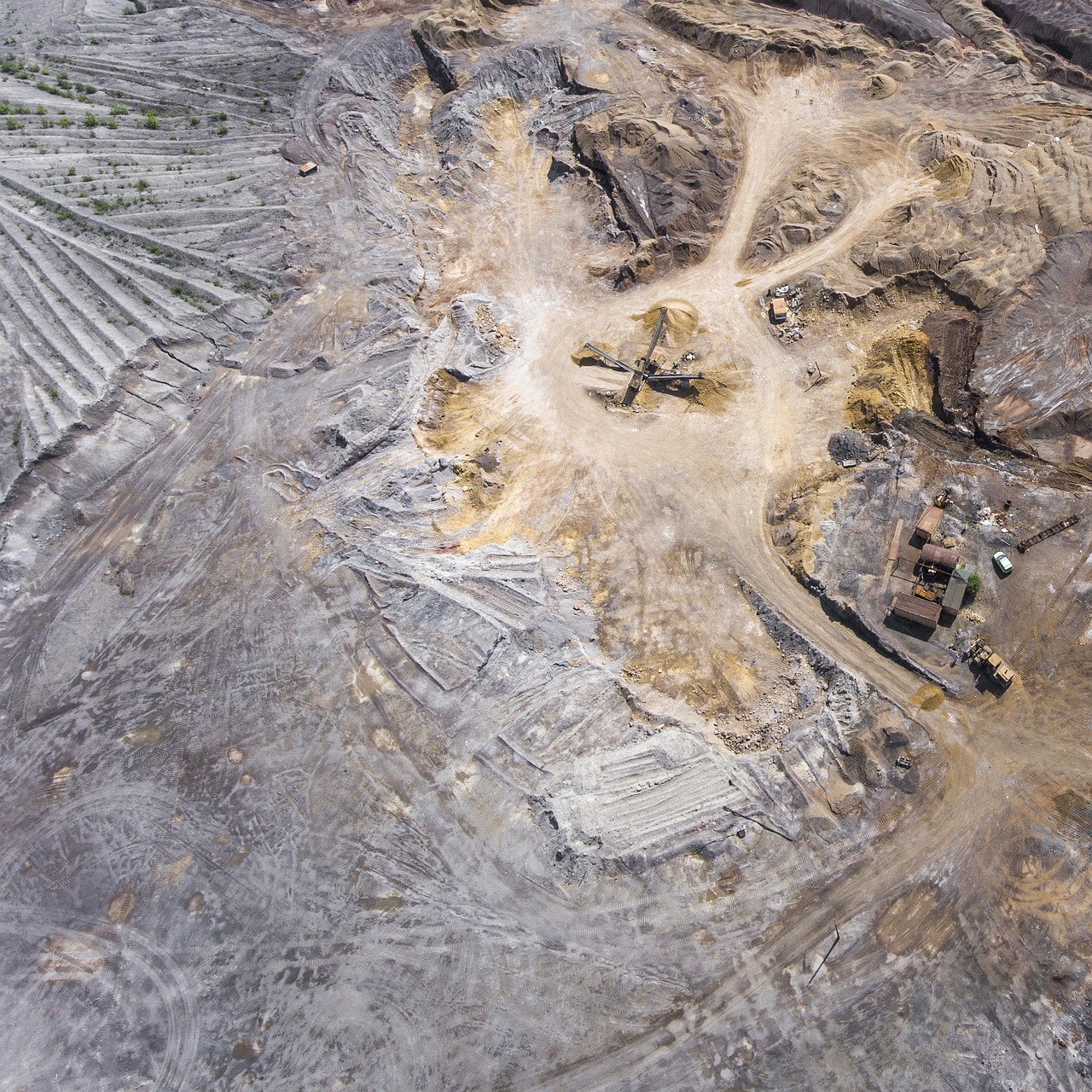
Mining engineering covers how to plan, design and operate mines safely and profitably, including rock mechanics, ventilation, blasting, mine planning and mineral processing. Geology covers how mineral deposits form and how to locate them, using fieldwork, mapping and lab analysis of rock and soil samples. Many programs also teach mineral economics and mine environmental management, since mining projects need both technical and financial planning.
A closely related field, metallurgical engineering, focuses on extracting and refining metals from ore once it leaves the ground. Universities often group mining, geology and metallurgy into one school or faculty because the disciplines work together on every mining project.
Where to study
The University of the Witwatersrand in Johannesburg runs one of Africa's oldest and most established mining engineering schools, alongside geology and metallurgy departments. The University of Pretoria and the University of Johannesburg also teach mining-related engineering and geology.
Ghana's University of Mines and Technology (UMaT) in Tarkwa is a dedicated mining university, offering mining engineering, geological engineering, minerals engineering and mine surveying. In Zambia, the University of Zambia's School of Mines and the Copperbelt University both train mining engineers and geologists for the country's copper belt. The University of Lubumbashi in the Democratic Republic of Congo trains mining engineers who go on to work in the country's copper and cobalt sector, one of the largest in the world. Namibia University of Science and Technology and the University of Zimbabwe also run mining and geology programs tied to their national mineral sectors.
Entry requirements
You need strong secondary school grades in mathematics, physics and chemistry. South African applicants need a National Senior Certificate with high marks in mathematics and physical science. Ghanaian applicants need strong WASSCE grades in the same subjects, and geography helps for geology routes. Zambian and DRC applicants follow their national secondary certificates with a similar science and mathematics profile.
Career paths
Graduates work as mine planning engineers, geologists, mineral resource managers, metallurgists, safety and ventilation officers, and environmental compliance officers. Large mining houses, junior exploration companies, government geological surveys and mineral resource ministries all hire mining and geology graduates.
The Southern African Institute of Mining and Metallurgy (SAIMM) is the region's main professional body, running technical conferences, publishing research and supporting professional registration for mining engineers and metallurgists across Southern Africa.
Why demand stays strong
South Africa remains a major producer of gold, platinum group metals and coal. Ghana is Africa's largest gold producer. The Democratic Republic of Congo produces most of the world's cobalt, and together with Zambia holds a major share of global copper reserves, both critical for batteries and renewable energy technology. This resource base keeps demand steady for mining engineers, geologists and metallurgists who understand local ore bodies and regulatory environments.