Monthly Student Budget in Kampala: Rent, Food, Transport and Data
By Muntasir • Published Jun 22, 2026 • Updated Aug 08, 2026 • Money & Budgeting
A student living near a Kampala campus and sharing a room can cover rent, food, transport and data for about UGX 620,000 to 770,000 a month. Living alone and eating out often pushes this well past UGX 1,000,000.
- 🏠
Shared room near campus: roughly UGX 200,000-270,000 a month, split three ways from a typical one-bedroom unit
- 🍲
Groceries for self-catering: around UGX 300,000-350,000 a month
- ⏱️
Boda boda and taxi fares: about UGX 60,000-90,000 a month for regular short trips
- 📩
MTN or Airtel data bundle with calls (10GB+): about UGX 56,700 a month
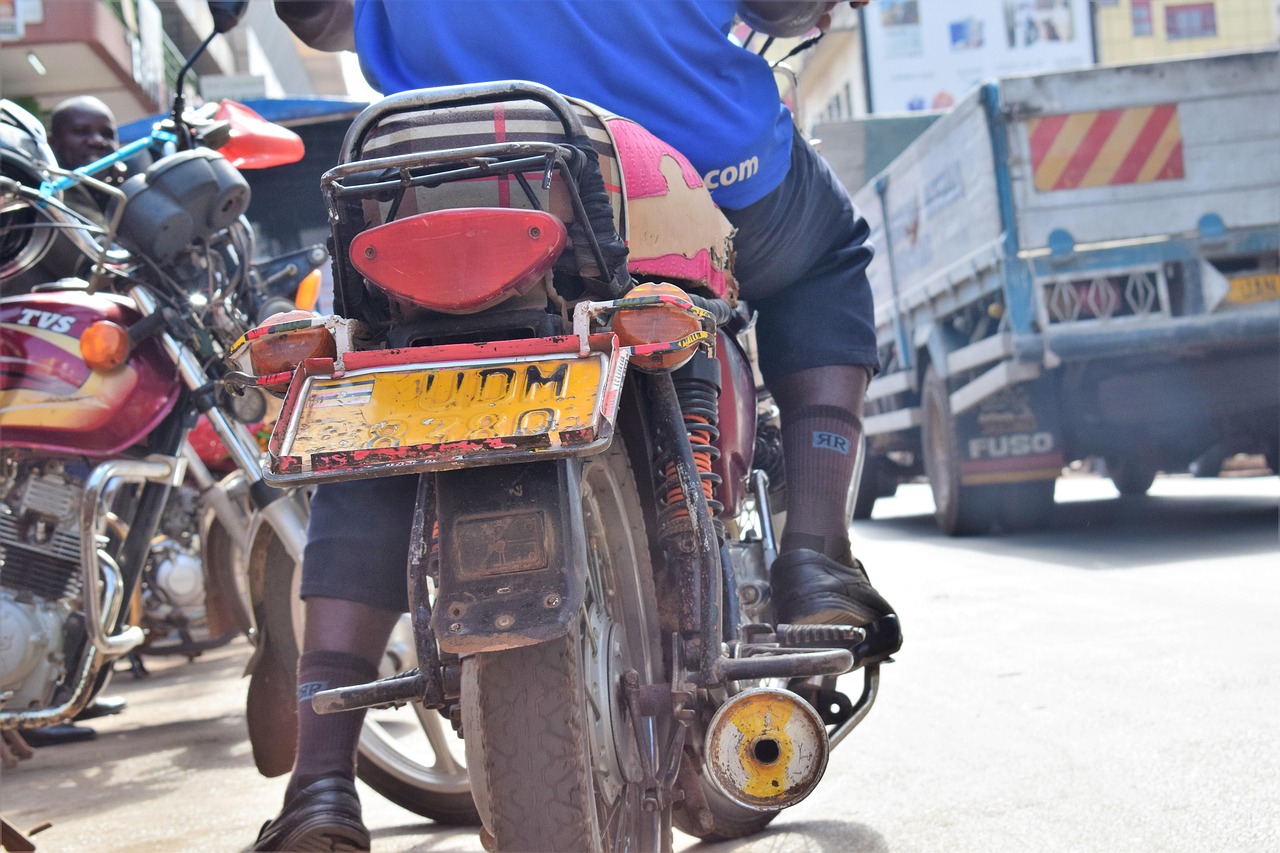
What it costs to live and study near a Kampala campus
Kampala rent, food and transport prices vary by neighborhood and how many people you share with. This budget uses current market data for the city and builds a realistic monthly total for a student living close to campus, cooking most meals, and getting around by boda boda, taxi and on foot.
Most Kampala campuses, including Makerere University, sit near dense student neighborhoods such as Wandegeya, Kikoni and Kubiri, where hostels and shared rooms cluster within walking distance of lecture halls.
Rent: sharing brings the real savings
A one-bedroom apartment outside the city centre in Kampala rents for roughly UGX 500,000 to 800,000 a month, averaging around UGX 684,000, according to Numbeo cost of living data . Few students rent a full unit alone. Split three ways with roommates, your share drops to about UGX 200,000-270,000. Shared student hostels near campus usually price rooms per bed rather than per unit, so ask for the per-person rate before comparing it to any private listing.
Book viewings and confirm the deposit and any agent fee before you commit. Landlords near popular campuses raise asking rents at the start of each intake, so agree the full-year rate in writing.
Food: cooking cuts your bill
A meal at an inexpensive local restaurant costs about UGX 10,000, ranging from UGX 5,000 to over UGX 18,000 depending on the spot. Basic groceries run: rice about UGX 5,091 a kilogram, eggs UGX 5,778 a dozen, chicken UGX 18,182 a kilogram, and tomatoes or potatoes around UGX 5,000 a kilogram. Students who cook most meals at home typically keep food spending to roughly UGX 300,000-350,000 a month, a big drop from eating out at every meal.
Transport: boda boda, taxis and walking
A single boda boda or shared taxi trip within the city runs about UGX 3,000. A full monthly public transport pass costs around UGX 173,913, but most students do not need one if they live within walking distance of lectures and only take a handful of paid trips a week. Budgeting for 20-30 short trips a month puts transport spending around UGX 60,000-90,000. Negotiate boda fares before you get on, and agree a flat rate with one driver for regular routes.
Data: MTN and Airtel bundles
A monthly mobile plan with calls and 10GB or more of data costs around UGX 56,700 on the major networks. Both MTN Uganda and Airtel Uganda run frequent promotional bundles that cut this further, especially for data bought in smaller weekly chunks rather than one monthly plan. Check both networks before committing, since promotions shift often.
Sample monthly budget
| Item | Monthly cost (UGX) |
|---|---|
| Shared rent (3-way split) | 200,000-270,000 |
| Food (self-catering) | 300,000-350,000 |
| Transport | 60,000-90,000 |
| Mobile data and calls | 56,700 |
| Total | Approximately 620,000-770,000 |
Ways to cut costs further
Share a room with two or three others instead of renting alone.
Buy groceries at a local market rather than a supermarket for lower prices on staples.
Walk to lectures when your hostel is close enough, and save boda boda trips for longer distances.
Compare MTN and Airtel weekly data bundles instead of defaulting to one monthly plan.
Agree rent and any service charges in writing before moving in to avoid mid-year increases.