Ontario College Paramedic and Personal Support Worker Programs: How Competitive Admission Actually Works
By Muntasir • Published Dec 18, 2025 • Updated Sep 20, 2026 • Admissions & Applications, Canadian Universities & Colleges
Ontario college paramedic and Personal Support Worker (PSW) programs select students on certifications and clearances as much as grades. Expect CPR, immunization, and background check requirements alongside your academic prerequisites.
🎓 Paramedic is usually a 2-year diploma, PSW is a shorter certificate
OSSD with Grade 12 English is a common baseline requirement
Standard First Aid and CPR Level C certification is expected before or during the program
A Vulnerable Sector Check is required before any clinical or field placement
⏱️ Paramedic students also need a valid driver's license and a clean driving record
Where each program leads
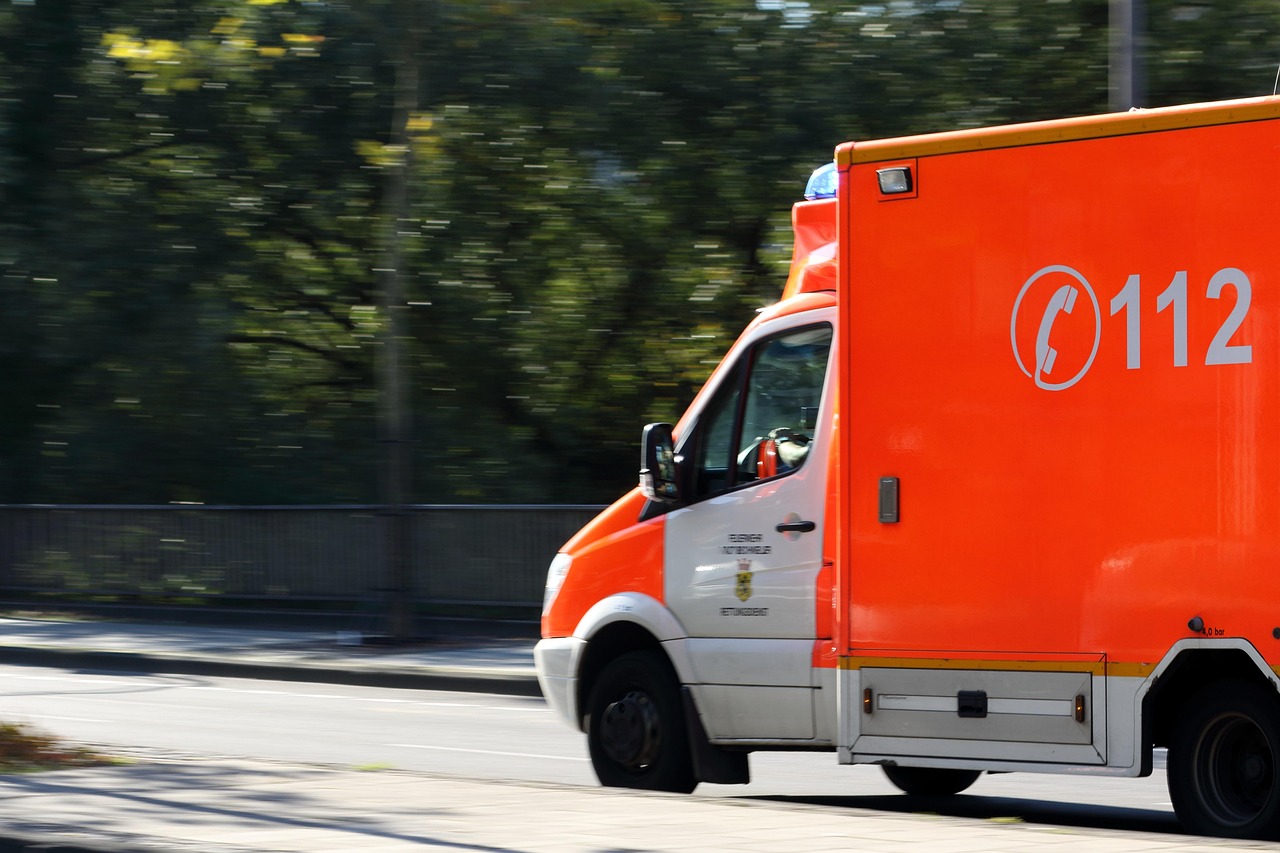
Primary Care Paramedic graduates write a provincial certification exam, then work on ambulances responding to emergency calls. Many paramedics pursue Advanced Care Paramedic training later in their career, a further certification that expands the medications and procedures they're allowed to perform in the field.
PSW graduates work directly with clients on daily living tasks, personal care, and companionship, in a client's home, a retirement or long-term care home, or a hospital. The role does not need a provincial licensing exam the way paramedic or nursing roles do, though individual employers set their own hiring standards on top of your certificate.
Two different programs, two different commitments
The Paramedic program, often called Primary Care Paramedic, usually runs 2 years as an Ontario college diploma. It prepares you to write the provincial certification exam that lets you work as a paramedic in Ontario.
The Personal Support Worker (PSW) program is a shorter certificate, well under two years at most colleges, preparing you to work in home care, long-term care, or hospital settings. Both programs place you in real clinical or field settings during training, so both carry requirements beyond academic marks.
Academic prerequisites
Both programs generally need an OSSD or equivalent, and most colleges run mature student routes for applicants without a recent diploma. Grade 12 English is a common requirement across both programs.
Check whether your target program accepts the college (C) or university (U) level English course, since this differs by college. Paramedic programs sometimes add other Grade 12 prerequisites given the reporting and problem-solving demands of the job, so confirm the exact list on your specific program's page.
Certifications you need before placement
Standard First Aid with CPR Level C is a standard requirement across Ontario health and emergency programs. Get this certification from a recognized provider before your placement starts, since colleges check for a current certificate, not an expired one.
A Vulnerable Sector Check, a police background check that specifically covers work with children, seniors, and other vulnerable populations, is required before you enter any clinical or field placement. Start this process early. It takes several weeks to process, longer if you lived in more than one city or province.
Full, up to date immunization records are required for any placement involving direct patient contact. Some colleges also ask for a recent TB test result.
Paramedic-specific requirements
A valid Ontario driver's license is generally required for the Paramedic program, since students drive and ride in ambulances during placement. Some programs set a minimum number of years you need to have held your license.
A clean driver's abstract is part of the application or pre-placement package at most colleges. Expect a physical readiness form too, confirming you handle the lifting and other physical demands the job needs.
How selection works when seats are limited
Both programs get competitive at busier colleges, where seats go to applicants who meet every requirement and rank highest on admission average among eligible applicants. PSW programs at smaller colleges or with rolling intakes are sometimes less competitive on grades alone, since availability differs a lot by campus and by intake month.
Confirm the exact document checklist, certification provider requirements, and any supplementary criteria directly with your target college's health sciences admissions office. These details change between intakes, and missing one document holds up your placement even after you're admitted.
Common questions
Do you need your certifications before you apply, or before your placement starts? Requirements differ by college. Some ask for CPR and background checks at the offer stage, others give you a window after admission but before your first placement. Check your specific program's timeline once you have an offer.
Is it realistic to work while completing a PSW or Paramedic program? Clinical and field placement hours take up a significant part of your schedule in both programs, so confirm the placement timetable with your college before committing to a work schedule alongside your studies.
Does a criminal record automatically disqualify you? Not always. A Vulnerable Sector Check that comes back with a record does not automatically end your application, colleges and placement partners assess this case by case depending on the offence and how long ago it happened. Talk to your program's admissions office directly if this applies to you, rather than assuming the outcome.