Preparing Philippine Transcripts of Records for Overseas Applications: DFA Apostille and Credential Evaluation
By Muntasir Minhaz • Published Aug 07, 2026 • Admissions & Applications, Study in Southeast Asia
Philippine transcripts need three steps before a foreign university accepts them: get the Transcript of Records from your school registrar, apostille it at the DFA, then send it to WES or another evaluator if the school asks for one.
🎓 Ask your registrar for an original, sealed Transcript of Records with the registrar's signature and dry seal.
📩 The Philippines joined the Hague Apostille Convention on May 14, 2019, so DFA apostille replaced the old red ribbon for documents going to other member countries.
⏱️ Book the apostille online through DFA's appointment system, then submit the original document at a DFA office.
📩 Evaluators like WES often want your school to mail the Transcript of Records directly to them, separate from your apostilled copy.
🏠 CHED can confirm your school's status if the evaluator asks for extra proof the institution is recognized.
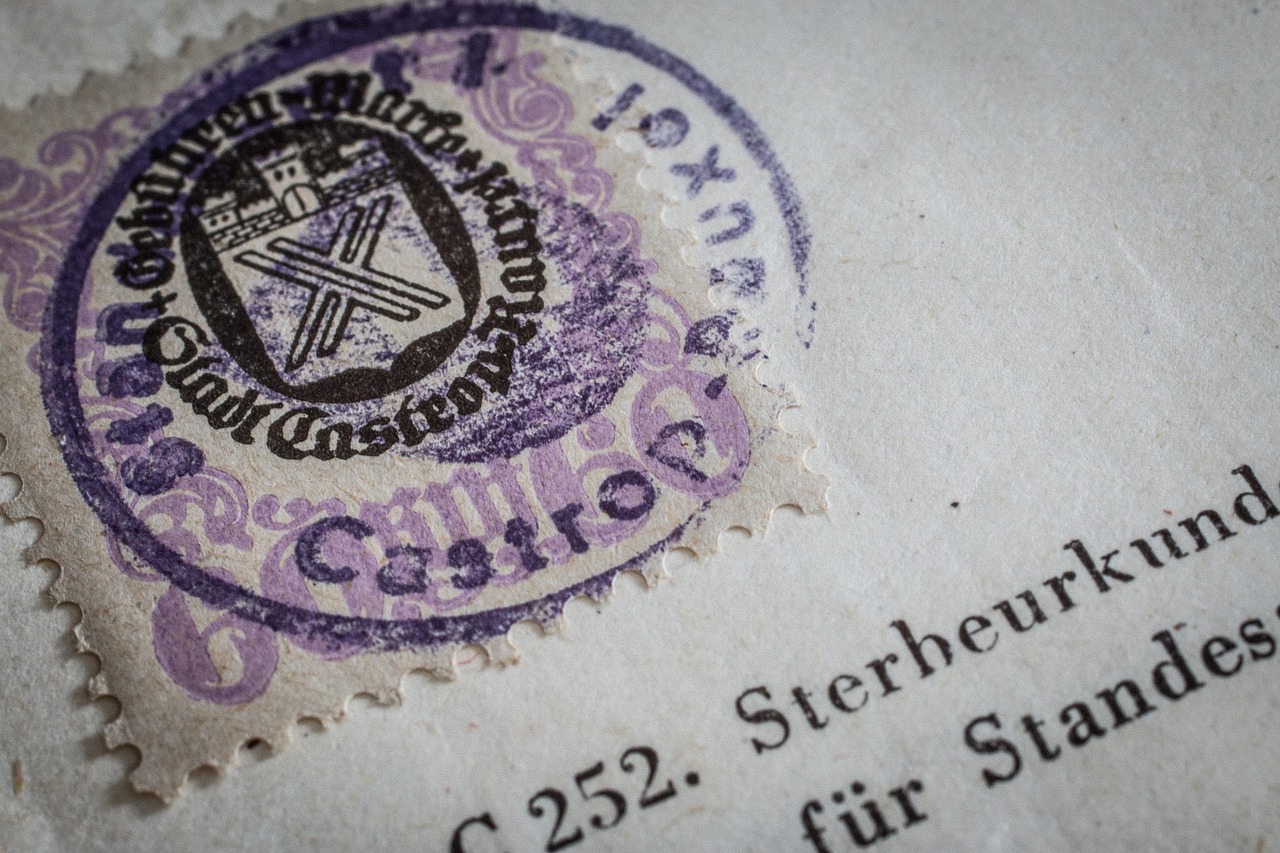
What your Transcript of Records needs to show
A foreign admissions office or a credential evaluator like WES wants to see every subject you took, the grade you got, and the units attached to each one. It also wants proof the document is genuine. That proof starts with your school's registrar seal and signature, then a government layer on top confirming that seal is real.
For Filipino applicants this government layer is the apostille from the Department of Foreign Affairs (DFA). Before May 14, 2019, the Philippines used a longer chain called red ribbon authentication, where DFA verified the document and the destination country's embassy in Manila had to legalize it again on top. The Philippines joined the Hague Apostille Convention that day, and for a document going to another member country, one DFA apostille now replaces both steps.
Step 1: request the Transcript of Records from your registrar
Go to your school's registrar office or its online request portal and ask for an original Transcript of Records for the purpose of study abroad or credential evaluation. Confirm it carries the registrar's signature and the school's dry seal, not a photocopy. Some universities also issue a separate Certification of Grades or a diploma copy. Ask what your target school or evaluator needs before you request, since a second trip to the registrar costs time.
If your school has closed, merged, or your records now sit with the government, request certification directly from the Commission on Higher Education (CHED) Records Section instead. CHED keeps custody of records for defunct institutions and can issue confirmation letters when a school's own office cannot.
Step 2: get the DFA apostille
Book an appointment through the DFA online authentication system.
Bring the original Transcript of Records, not a photocopy, to your appointment.
Pay the processing fee at the DFA office and choose regular or expedited processing.
Collect the apostilled document, which carries a numbered apostille certificate attached to your original transcript.
Check DFA's fee schedule and appointment slots before you travel to an office, since these change and vary by branch. If your destination country has not joined the Hague Convention, ask DFA staff whether you still need the older authentication plus embassy legalization at that country's embassy in Manila. That older two-step process still applies for the small number of non-member destinations.
Step 3: send it to a credential evaluator
US graduate schools and some professional licensing boards ask for a foreign credential evaluation, most often from WES or another member of the Association of International Credential Evaluators. Two evaluation types exist: document-by-document, which confirms your credential is equivalent to a US degree, and course-by-course, which converts every subject and grade to a US GPA. Check which one your program requires before you pay, since course-by-course reports cost more and take longer.
Most evaluators want your school to send the Transcript of Records straight to them in a sealed envelope, on top of the apostilled copy you submit yourself. Create your evaluator account first, then give your registrar the exact mailing details from your evaluator dashboard. Philippine transcripts are already in English, so you skip the certified translation step that applicants from Vietnam, Thailand, or Indonesia need.
Converting your grades
Philippine schools grade on a 1.00 to 5.00 scale, where 1.00 is the highest mark and 3.00 is usually the passing grade, opposite of the US 4.0 scale where a higher number is better. A course-by-course evaluation converts each grade for you, so foreign admissions staff read a familiar 4.0-scale GPA next to your original marks. If a school asks you to self-report your GPA before formal evaluation, use your school's own grading legend, printed on the back of your transcript, rather than guessing at a conversion.
Common mistakes to avoid
Requesting the apostille before confirming the exact document your target school wants, then paying for a second copy.
Submitting a photocopy for apostille instead of an original signed and sealed transcript.
Assuming your diploma and Transcript of Records need separate apostille visits, when DFA can process both in one appointment if you bring both.
Missing an evaluator's direct-from-school mailing requirement and sending only your own apostilled copy.
Start this process two to three months before your application deadline. Registrar processing, DFA appointment slots, and evaluator turnaround each take independent time, and a delay at one stage pushes back the whole chain.