Referencing and Citation Styles Abroad: APA, Harvard and MLA Explained for ASEAN Students
By Muntasir • Published Sep 18, 2026 • Updated Sep 18, 2026 • Student Life
APA, Harvard and MLA are the three citation styles ASEAN students meet most abroad, and each has its own rule for in-text citations and the reference list at the end. Your course handbook names the required style, and mixing two styles in one essay is one of the fastest ways to lose marks.
| Style | Common in | In-text example |
|---|---|---|
| APA (7th edition) | Psychology, business, education, nursing | (Tan, 2024) |
| Harvard | UK and Australian business, social science, engineering | (Tan 2024) |
| MLA (9th edition) | Literature, languages, humanities | (Tan 45) |
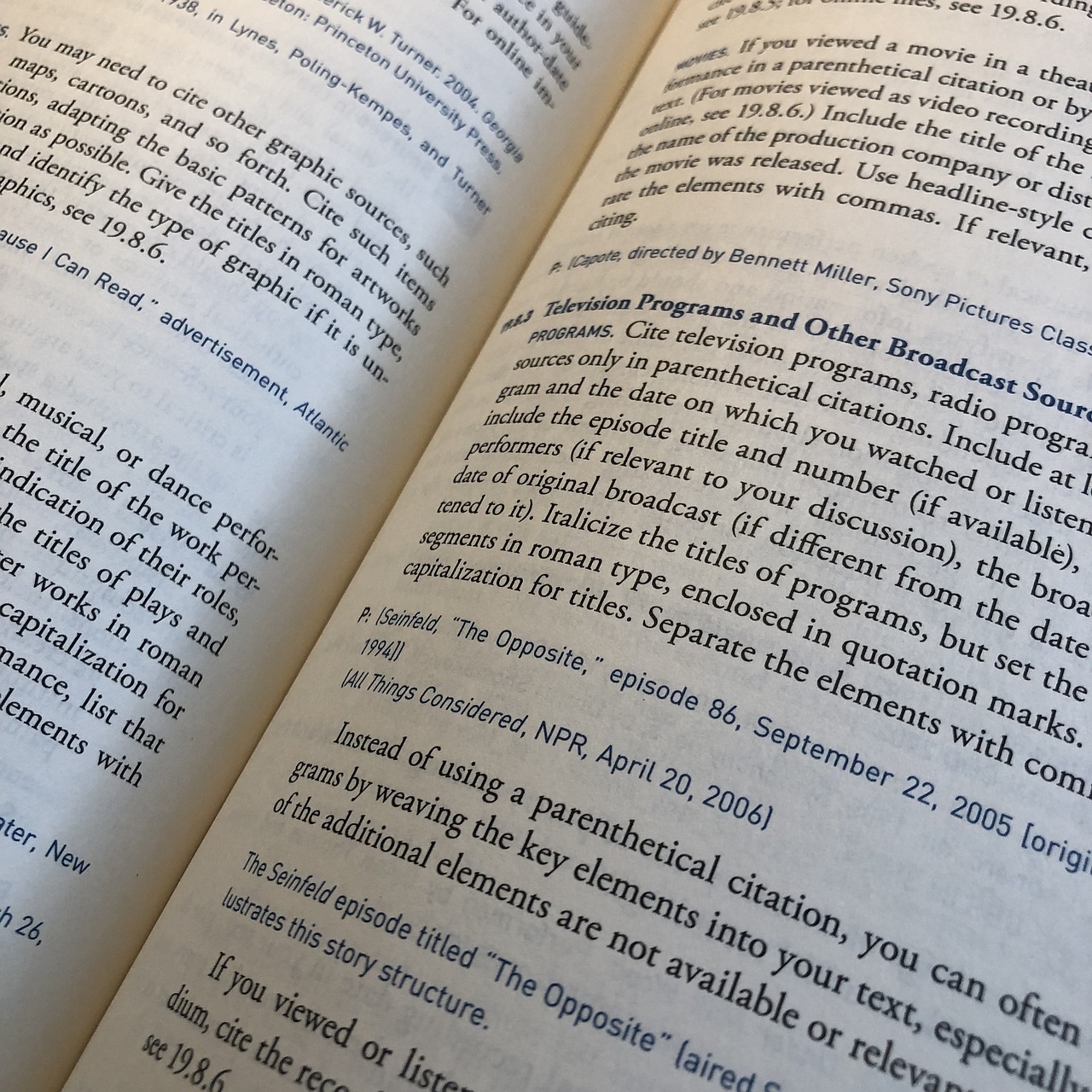
Why citation style matters abroad
Referencing does two jobs at once. It credits the source you used, and it lets your marker check your evidence without a separate search. Get the style wrong, a missing citation, an inconsistent format, or the wrong style for your department, and you lose marks on the rubric and draw attention from academic integrity checks even when you copied nothing.
Your course handbook or module outline names the required style. When it does not, ask your tutor before you submit rather than guessing.
APA style
The American Psychological Association style, now in its seventh edition , is common in psychology, business, education, nursing and other social science subjects. In-text citations use the author's surname and year, such as (Tan, 2024), with page numbers added for direct quotes. The reference list at the end is titled 'References' and sorted alphabetically by author surname, with each entry formatted by source type: journal article, book, website and so on.
Harvard style
Harvard style is widely used across UK and Australian universities, particularly in business, social science and engineering courses. It looks similar to APA, with author and year in the text, such as (Tan 2024), but individual universities publish their own house version of Harvard with small differences in punctuation and formatting. Use the exact Harvard guide your department links in the handbook rather than a general online template, since markers check against that specific version.
MLA style
Modern Language Association style, now in its ninth edition , dominates literature, languages and other humanities subjects. In-text citations use the author's surname and page number with no comma, such as (Tan 45), and the reference list at the end is titled 'Works Cited.' MLA also carries specific formatting rules for quoting poetry, plays and multi-author works that APA and Harvard do not use.
Other referencing styles used abroad
Some departments use styles outside APA, Harvard and MLA. History courses often use Chicago style with footnotes instead of in-text brackets, and medicine, engineering and computer science courses often use Vancouver or IEEE numbered styles, where each source gets a number in the text that corresponds to a numbered list at the end. If your handbook names one of these, treat it with the same care as APA, Harvard or MLA, since the underlying expectation, credit every source consistently, stays the same across all of them.
Citing sources with multiple authors or no listed author
Each style handles multiple authors differently. APA lists up to twenty authors in the reference list and switches to 'et al.' after the first author in text once a source has three or more authors. MLA switches to 'et al.' after two authors in both the text and the Works Cited entry. When a source lists no individual author, such as a government report or an organization's webpage, use the organization's name in place of the author across all three styles.
Building your reference list from day one
Add each source to your reference list the moment you decide to use it, rather than reconstructing your list from memory the night before a deadline. A running list in a reference manager or a simple document saves the specific detail, such as a page number or access date, that becomes hard to find again once you have moved on to other reading.
Referencing tools worth using
University libraries typically license a reference manager such as Zotero, Mendeley or EndNote, which formats citations automatically once set to your required style. These tools cut mechanical errors but still need a manual check, since they misread a messy PDF and swap the author and title fields from time to time.
Quoting versus paraphrasing correctly
A direct quote copies the source's exact wording inside quotation marks with a citation and page number. A paraphrase restates the source's idea in your own sentence structure and wording, still with a citation but without quotation marks. Changing a handful of words while keeping the source's sentence structure counts as neither, and similarity software usually still flags it as a match.
Common referencing mistakes that trigger a flag
Mixing styles within one essay, such as an APA in-text citation with an MLA-style Works Cited page.
Listing a source in the reference list that never appears as an in-text citation, or the reverse.
Copying a citation format from a source website instead of generating it from the style guide, which often introduces small errors.
Leaving out page numbers for direct quotes, which most styles require even when the citation is otherwise correct.
Using a citation generator without checking its output, since generators frequently get italics, punctuation and author order wrong.
How to check which style your course wants
Check the assignment brief and module handbook first, since the required style is usually stated there directly. If it is not stated, email your tutor rather than assuming, since departments within the same university often require different styles for different subjects. Most university libraries also run short referencing workshops in the first weeks of term, and their guides are built around the exact version of the style your institution uses.