SEA Semester and Other Ship-Based Study Programs for Canadian Students
By Muntasir Minhaz • Published Aug 19, 2026 • Canadians Studying Abroad
Ship-based semester programs put you aboard a working sailing vessel for weeks at a time while you earn transferable university credit. SEA Semester, Class Afloat and Semester at Sea are the three main options, and each issues your transcript through a separate accredited university partner.
🎓 SEA Semester's Fall 2026 Climate Change and Coastal Resilience voyage runs 12 weeks and grants 18 semester credits through the University of Minnesota.
💵 That SEA Semester program costs $34,000 USD in tuition plus room and board, on top of travel and personal expenses.
Class Afloat is a Canadian program that grants credit through Acadia University in Nova Scotia.
Semester at Sea runs 100 or more days through 10 or more countries, with credit administered by Colorado State University.
📩 Get written pre-approval from your Canadian university's registrar before you pay a deposit.
What a Ship-Based Semester Is
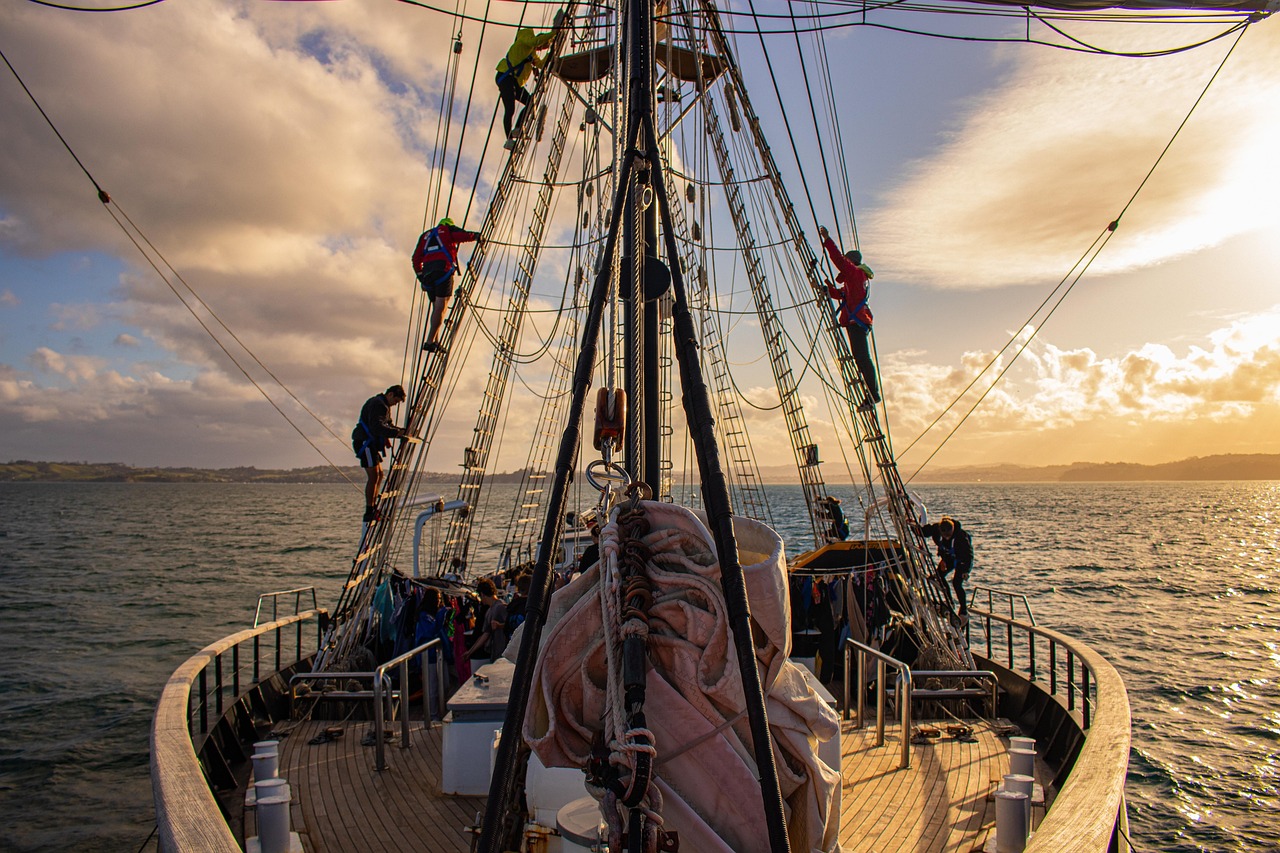
A ship-based semester replaces a normal campus term with weeks living and working aboard a sailing vessel. You stand watch, handle lines and navigate alongside a professional crew while completing coursework in oceanography, environmental science, history or literature, depending on the program. Time splits between classroom instruction, often at a shore campus, and the sailing leg itself.
These programs sit outside a normal exchange agreement. Your Canadian university did not design them, so credit only transfers if the sponsoring institution formally documents your work and your home registrar agrees to accept it.
SEA Semester
SEA Semester is run by the Sea Education Association from Woods Hole, Massachusetts. Programs combine a shore-based term with a sailing leg where you work as part of the crew aboard a SEA research vessel.
The Fall 2026 Climate Change and Coastal Resilience program runs 12 weeks, from September 28 to December 20, 2026, sailing through St. Croix, Dominica and St. Kitts and Nevis while living aboard the SSV Corwith Cramer. It grants 18 semester hour credits through the University of Minnesota , so your Canadian university evaluates a Minnesota transcript, not a SEA transcript, when it reviews your transfer credit.
Cost for that program runs $25,500 in tuition plus $8,500 for room and board , a $34,000 USD comprehensive fee, before travel costs and personal expenses. A $750 deposit is due within two weeks of acceptance and counts toward tuition. Refunds drop to 50% if you cancel 31 to 60 days before departure and to zero inside 30 days, so lock in your credit transfer approval before you pay.
Class Afloat
Class Afloat is a Canadian program, run through West Island College International since 1984. Students sail aboard tall ships, including the Alex II and the Blue Clipper, for a semester or a full academic year, working as crew while studying academics on board.
Academic credit runs through Acadia University in Wolfville, Nova Scotia, so Canadian universities evaluate the transcript against a familiar domestic institution. The program accepts high school students, gap year students and university students, and both ships hold membership with Tall Ships Canada and Sail Training International.
Semester at Sea
Semester at Sea sails to 10 or more countries over a single voyage lasting 100 or more days, with a Fall term running roughly September to December and a Spring term running January to April. The Institute for Shipboard Education sponsors the program, and Colorado State University administers the academic credit and issues the transcript.
The program centers on global travel more than hands-on sailing, since you live aboard a passenger vessel rather than crewing a tall ship. It draws undergraduates, gap year students and lifelong learners from across North America.
Comparing the Three Programs
| Program | Length | Academic partner | Ship role |
|---|---|---|---|
| SEA Semester | About 12 weeks | University of Minnesota (program-dependent) | You crew a sailing research vessel |
| Class Afloat | Semester or full year | Acadia University | You crew a tall ship |
| Semester at Sea | 100+ days | Colorado State University | You live aboard, port-focused |
Getting Credit to Transfer Home
Email your Canadian university's registrar or study abroad office before you apply, name the program's academic partner, and ask for a letter of permission or written pre-approval.
Ask which specific courses on the foreign transcript map to your degree requirements. General elective credit clears faster than credit toward a major.
Get the approval in writing, not a verbal assurance, since staff and policies change between your approval and your return.
Keep the syllabus, course descriptions and the transcript from the partner university, whether Minnesota, Acadia or Colorado State, in case your registrar asks for detail later.
Cost, Aid and Safety
These programs run as private tuition on top of, or instead of, your normal Canadian tuition, so ask your financial aid office whether the term still counts as full-time enrollment for provincial student aid purposes. Coverage depends on how your home university classifies the term, not on the ship program itself.
Check travel.gc.ca advisories for every country and body of water on the sailing itinerary before you commit, and register your trip through Global Affairs Canada's consular assistance service so officials know how to reach you if an emergency happens at sea or in port.