Getting Around Without a Car: Transit and Walkability at US Campuses
By Muntasir • Published Sep 18, 2026 • Updated Sep 18, 2026 • US States & Cities
A handful of US college towns let you skip owning a car entirely, thanks to subway or light rail systems, dense walkable campuses, or strong bike infrastructure. Boston, New York, Philadelphia, Chicago and Washington DC all run transit systems that reach major campuses directly, while towns like Davis and Boulder build around bikes instead.
🚇 Boston, New York, Philadelphia, Chicago and DC all have subway or light rail lines reaching major campuses
Many transit systems offer discounted or free student passes through the school
Davis, California and Boulder, Colorado run on bike infrastructure more than transit
Dense East Coast and Midwest campuses tend to be more walkable than spread-out Sun Belt campuses
🏠 Check a specific transit line's schedule and campus stop location, not just whether a city has a subway
Where You Can Realistically Skip a Car
Owning a car in college costs more than the sticker price once you add parking permits, insurance and gas. A short list of US college towns make it realistic to skip a car entirely, either through a real transit system or through dense, walkable, bike-friendly layout. The American Public Transportation Association tracks transit ridership and system data across the country, and its member agencies run most of the systems below.
Boston: The T Reaches Nearly Every Campus
Boston's MBTA subway and trolley system, known locally as the T, connects most of the city's major schools, including Boston University, Boston College, Northeastern and several campuses across the river in Cambridge. The density of colleges in one metro area means transit planning already accounts for student ridership, and many schools include a discounted MBTA pass as part of the student fee package.
New York City: Subway Access at Scale
Students at Columbia, NYU, Fordham and CUNY campuses rely on the subway to move between campus, internships and the rest of the city. The tradeoff is a much higher cost of living than most other transit-rich college towns, so the money saved by skipping a car often goes straight into higher rent instead.
Philadelphia: SEPTA and a Walkable University City
Philadelphia's SEPTA system serves the University City area, home to the University of Pennsylvania and Drexel University, along with Temple University farther north. The University City neighborhood itself is dense and walkable, so many students combine walking for daily campus life with SEPTA for trips into center city.
Chicago: CTA Trains Across the City
Chicago's CTA rail system, known as the L, connects the University of Chicago, Loyola, DePaul and other campuses across the city. Loyola's Lake Shore campus sits directly on a Red Line stop, making a car unnecessary for most daily travel and internships downtown.
Washington DC: Metro Connects Campus to Career
The DC Metro reaches Georgetown University's neighborhood indirectly and connects directly to George Washington University, American University and Howard University, among others. Metro access matters here beyond daily commuting, since many DC internships and part-time jobs sit downtown or near federal buildings along the same rail lines.
Bike Towns: Davis and Boulder
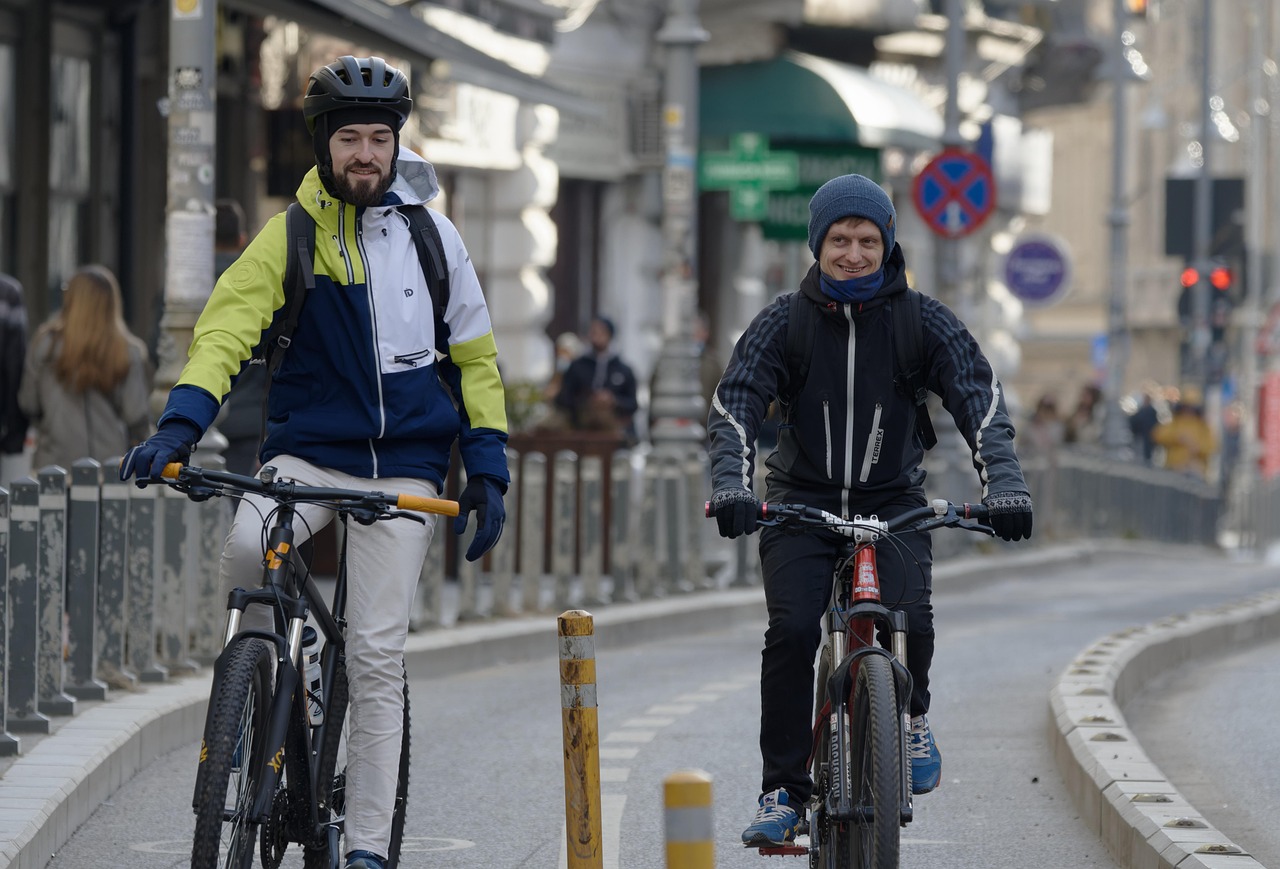
Not every car-free college town relies on rail transit. Davis, California is built almost entirely around bikes, with dedicated bike lanes and roundabouts across the UC Davis campus and surrounding town. Boulder, Colorado combines a strong local bus system with extensive bike paths connecting the University of Colorado Boulder campus to the rest of the city, and flat terrain through much of town makes biking a realistic year-round option outside heavy snow.
Checking Walkability Before You Commit
Sites like Walk Score rate specific addresses for walkability, transit access and bike friendliness, which is useful once you know the exact neighborhood a school sits in rather than just the city name. Local transit authority websites also publish route maps, so you can confirm a line actually stops at or near campus instead of assuming a city-wide subway system covers every school in that city.
What to Check Before Going Car-Free
Confirm the closest transit stop to your specific dorm or apartment, not just to the general campus
Ask whether your school includes a transit pass in student fees or sells one at a discount
Check winter conditions if you plan to bike, since ice and snow shut down biking as a daily option in many Northern towns
Look at grocery and pharmacy access on foot or by transit, since car-free living depends on more than just getting to class
Factor in whether your internship or job site sits on the same transit line as campus, since a second commute across town adds real time