How University Admission Works in Morocco
By Muntasir • Published Jul 20, 2026 • Updated Sep 20, 2026 • African Countries & Cities, Africa Admissions & Exams
Morocco splits university entry into two tracks: open-access public faculties that take any bac holder, and regulated schools like ENSA, ENCG and medical faculties that select by your bac average and often a written or oral test.
🎓 Open-access faculties (law, arts, science, polydisciplinary) need only your baccalaureate, no entrance exam.
📩 Regulated schools rank you by your bac average, sometimes combined with a written test or interview.
⏱️ Preregistration usually opens once bac results are published, through each university's own portal.
🏠 Miss a spot at your first-choice regulated school? An open-access faculty still takes you with your bac alone.
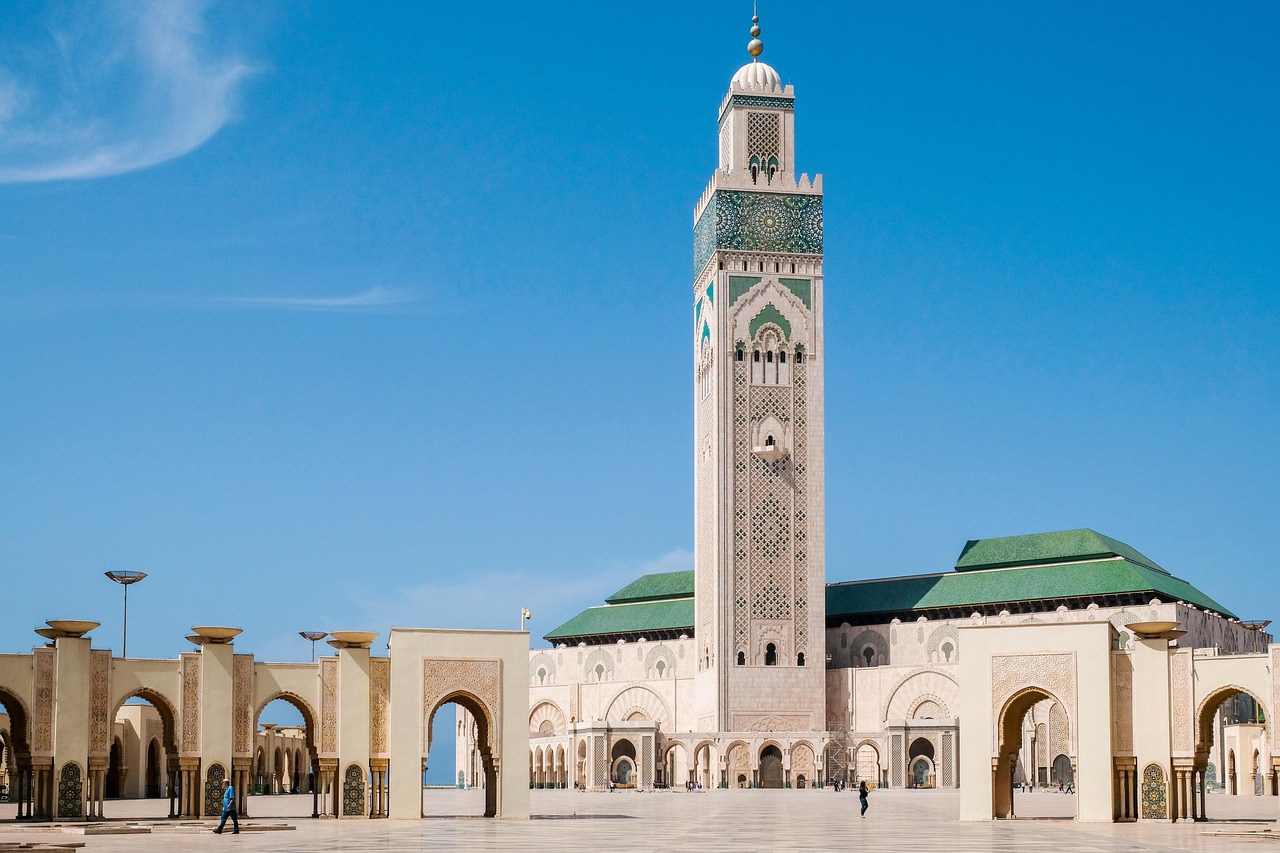
Two Ways Into Moroccan Higher Education
Every route into a Moroccan university starts with the baccalaureat (bac). What happens next depends on which type of institution you target. Public universities run two separate systems: open access (acces ouvert) and regulated access (acces regule), and each works differently.
Open-Access Faculties: Your Bac Is Your Ticket In
Faculties such as the Faculte des Sciences Juridiques, Economiques et Sociales (FSJES), the Faculte des Lettres et des Sciences Humaines (FLSH), the Faculte des Sciences (FS) and Facultes Polydisciplinaires (FP) accept any student holding a bac, in any stream, without an entrance exam. You preregister online with your university using your Massar student code and bac record, then confirm your spot by submitting documents in person before the deadline.
There is no cut-off mark for these faculties. Demand for popular cities and programs still runs high, so apply early once your local university opens preregistration.
Matching Your Bac Stream to a Faculty
Your bac stream shapes which programs suit you best, even inside the open-access system. A science stream (sciences experimentales, sciences mathematiques) sets you up for the Faculte des Sciences or a regulated engineering or medical track. A literary or humanities stream feeds naturally into FLSH, while an economics stream lines up with FSJES. Regulated schools weigh your stream directly in their selection formula, so a mismatch between your stream and your target school can hurt your chances even with a strong overall bac average.
Documents You Need to Register
Whichever track you apply to, keep a standard file ready: your original bac certificate and transcript, your national ID card, several passport photos, proof of address, and your Massar code, which links your secondary-school record to the university system. Regulated schools often ask for extra documents at the shortlisting stage, such as a motivation letter or a certified copy of your transcript, so read each school's checklist before the deadline rather than assuming one file works everywhere.
Regulated Access: Grandes Ecoles, Medicine and Engineering
Schools with limited seats, including the Ecole Nationale de Commerce et de Gestion (ENCG), Ecole Nationale des Sciences Appliquees (ENSA), Faculte de Medecine et de Pharmacie, Faculte des Sciences et Techniques (FST) and Ecole Normale Superieure (ENS), select candidates. Selection weighs your bac average alongside your stream (science, math, economics) and, at many schools, a written test or interview after a first round of shortlisting.
You typically list several regulated schools in order of preference on your application, since seats are limited and popular programs fill fast. Rank your genuine first choice highest. A realistic backup choice protects you if your bac average misses the top school's threshold.
Classes Preparatoires (CPGE): The Long Route to Top Engineering Schools
Students aiming for Morocco's most selective engineering and business schools through the national concours system often spend two years in Classes Preparatoires aux Grandes Ecoles (CPGE) first. CPGE takes strong science or economics bac holders and prepares them intensively for the concours national, which places them into top public and private engineering or business schools.
CPGE classes run inside designated public lycees rather than universities, and admission to a CPGE class is itself competitive, based on your bac average and, at some lycees, your grades through secondary school. Two years of CPGE demand a heavy workload, closer to full-time study than a typical university first year, so weigh this route against a direct regulated-school application if you want a shorter path to a degree.
Timelines and Deadlines
Preregistration for both open-access and regulated tracks typically opens once bac results come out, running through the summer months. Each university sets its own exact calendar and publishes it on its official site, so check your target institution directly rather than relying on a general date. Regulated schools often run their shortlist and any written test or interview in a second wave, weeks after the open-access faculties finish registering students.
If You Miss the Cut or a Deadline
Missing a regulated school's threshold or a first-round deadline does not close the door. Open-access faculties keep taking registrations later into the year, so a law, arts, science or polydisciplinary faculty near you stays available as a fallback with your bac alone. A CPGE program or a technical diploma route also stays open, letting you transfer into a degree program later.
If a deadline passes entirely at your first-choice university, contact the admissions office directly and ask about a second registration window. Many faculties reopen registration in late September or October if they have not filled every available seat, particularly outside the largest cities. Once you have a confirmed spot, apply separately through ONOUSC (Office National des Oeuvres Universitaires, Sociales et Culturelles) for a place in a university residence or a national scholarship, since neither is granted automatically with admission.