US Student Visa from Argentina: Documents, Interview, and Common Refusals
By Muntasir • Published Jul 19, 2026 • Updated Sep 20, 2026
An F-1 visa interview at the US Embassy in Buenos Aires needs a valid Form I-20, a paid SEVIS fee, a completed DS-160, and proof that you can pay for your US degree and intend to return to Argentina afterward.
🛂 Bring your passport, DS-160 confirmation page, Form I-20, and fee receipts to the interview
💵 Show bank statements or a sponsor's financial evidence that covers the cost figure listed on your I-20
📩 Most refusals cite Section 214(b), meaning the officer was not convinced you plan to return to Argentina
⏱️ Book your interview slot as soon as you receive your I-20, since appointment availability changes through the year
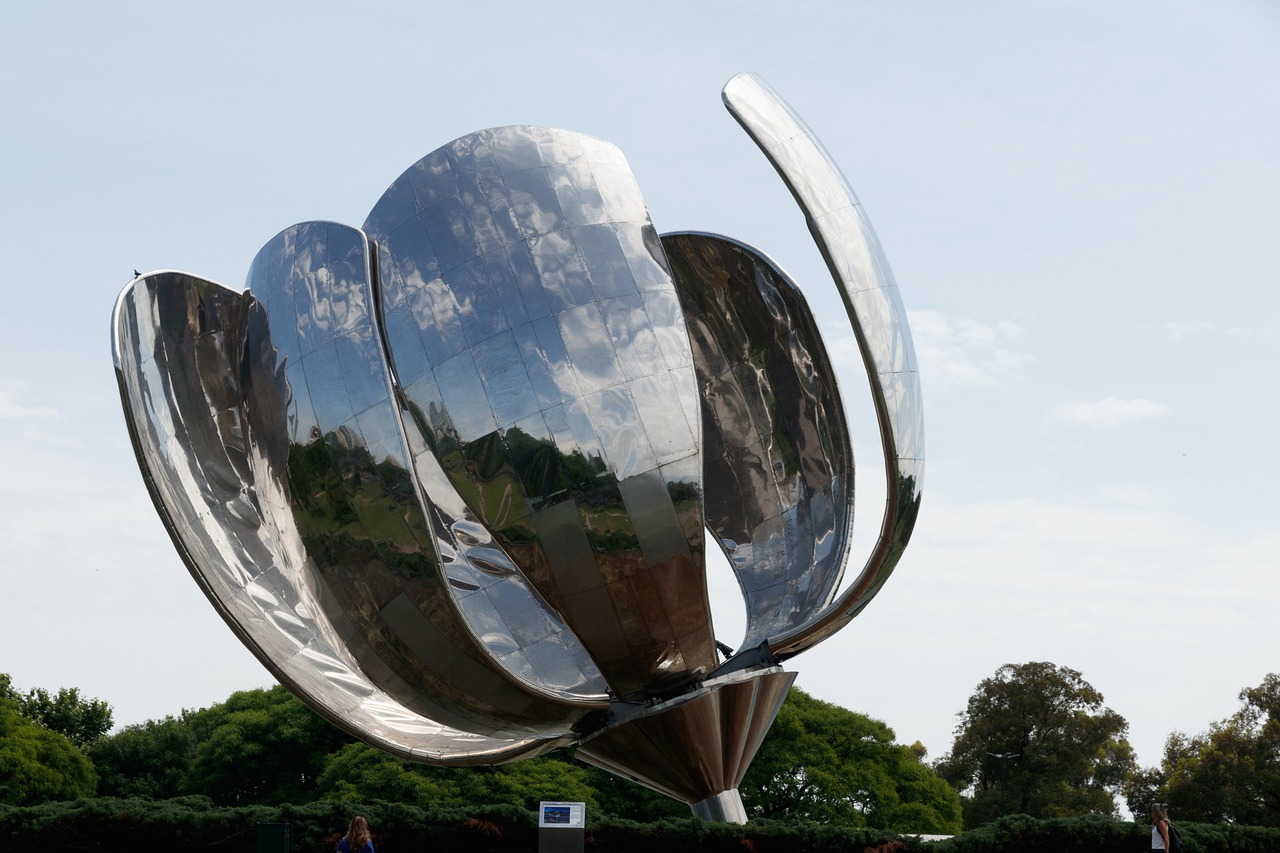
Documents to bring to your interview
Arrive at the US Embassy in Buenos Aires with your valid passport, your DS-160 confirmation page with the barcode, your Form I-20 signed by you and your school's Designated School Official, and your SEVIS I-901 fee and visa application fee receipts. Bring one photo that meets the current photo requirements listed on the State Department's student visa page , along with your academic documents: your evaluated bachillerato and university transcripts, any standardized test scores, and your admission letter. Organize these in one folder, since a disorganized applicant reads as unprepared to the officer even when the underlying case is strong.
Financial evidence that satisfies the officer
The officer checks whether you can pay for at least your first year of study, matched against the cost figure printed on your Form I-20. Bring recent bank statements in your own name or your sponsor's name, and if a parent or another relative is funding you, bring a signed affidavit of support along with that sponsor's own bank and income documents and proof of your relationship. If a scholarship, assistantship, or student loan covers part of the cost, bring the official award or approval letter rather than a verbal claim. Evidence should be recent, consistent with your I-20 figure, and easy for the officer to check quickly during a short interview.
Booking and preparing for your appointment
Schedule your interview through the official appointment system linked from your DS-160 confirmation, after you have paid the visa application fee. The US Embassy in Buenos Aires is the only post in the country that issues nonimmigrant visas, so every F-1 applicant in Argentina interviews there regardless of home province. Check the embassy's current appointment wait time before you commit to a travel or program start date, since availability changes through the year and does not always match what you read in older posts or forums.
What happens during the interview
The interview itself usually lasts only a few minutes. The officer asks about your chosen school and program, how you will pay for it, and your plans after you finish. Answer in your own words based on your real plans rather than reciting a memorized script, since officers interview many applicants a day and notice rehearsed answers. The officer can approve or deny your application on the spot and is not required to give a detailed explanation beyond citing the relevant law.
Common reasons applications are refused
The most common refusal is under Section 214(b) of the Immigration and Nationality Act, which presumes every applicant intends to immigrate unless they show strong enough ties to their home country to convince the officer otherwise. For an Argentine applicant, weak ties often mean no clear job, property, family responsibility, or concrete plan pulling you back to Argentina after your degree. Other common issues include financial evidence that does not clearly cover the I-20 cost figure, a chosen program that does not fit your academic or career background, and vague or inconsistent answers about your plans after graduation. As of August 2026, consular screening has included closer review of applicants' online presence in some cases, and specific screening practices have changed more than once in recent years, so confirm current requirements directly on the official student visa page before your interview.
Concrete evidence that strengthens ties to Argentina
General statements about wanting to return home carry less weight than specific, checkable evidence. Useful documents include a property deed or lease in your name or your family's name, papers showing ownership or a role in a family business, a letter from a current employer confirming a leave of absence or a job waiting for you, or documentation of a professional license that only has value if you practice in Argentina. If you have a spouse, child, or other close family staying in Argentina, mention this directly, since a concrete reason to return matters more than a general statement of intent.
Practical tips for your appointment day
Arrive earlier than your scheduled time, since security screening at the embassy takes time and a late arrival can mean losing your slot. Dress the way you would for a serious meeting with a school official, keep your phone and other prohibited items out of your bag under the embassy's current entry rules, and keep your document folder organized so you can hand over any paper the officer asks for without searching through your bag. Stay brief and direct in your answers, since a long or defensive answer to a simple question raises more doubt than it resolves.
If you are refused
A 214(b) refusal is not a permanent ban and does not appear on your record as a black mark against future applications. You can reapply as soon as you believe your circumstances or your evidence has meaningfully changed, but you must pay the application fee again and go through the DS-160 and interview process from the start. Reapplying with the same weak file rarely changes the outcome, so before you reapply, strengthen the specific points the officer likely doubted: firmer financial documentation, clearer evidence of ties to Argentina, or a more convincing explanation of your plan to return after your degree.