Viticulture and Enology Degrees for a Career in Wine
By Muntasir • Published Aug 03, 2026 • Updated Aug 08, 2026 • Career Planning
Viticulture and enology degrees teach grape growing and winemaking science, and the strongest US programs cluster near major wine regions in California and New York. Graduates move into vineyard management, winemaking, and wine business roles across an industry that depends on precise science as much as tradition.
🎓 UC Davis and Cornell run two of the most recognized programs in the country
📍 Program locations map to major US wine regions: California and the Finger Lakes
🏠 Coursework covers soil science, fermentation chemistry, and wine business
💵 Careers range from vineyard manager to winemaker to wine business roles
What viticulture and enology programs cover
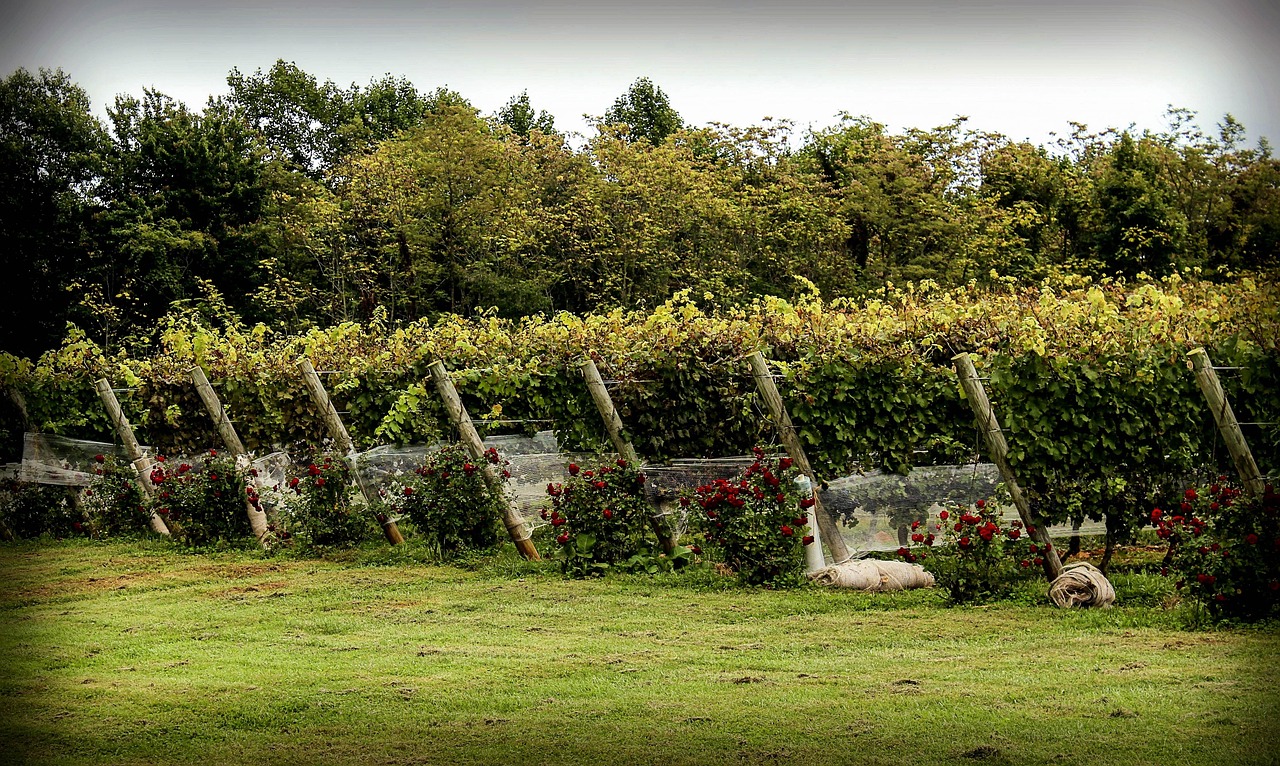
Viticulture covers the growing side: soil science, vine physiology, pest and disease management, irrigation, and vineyard site selection. Enology covers the winemaking side: fermentation chemistry, sensory evaluation, and the microbiology that turns grape juice into wine. Most degree programs teach both tracks together, since a winemaker who understands vineyard conditions can adjust technique based on how that year's grapes actually grew.
Coursework blends hard science, chemistry, microbiology, and plant biology, with hands-on lab and cellar work. You taste and evaluate wine as part of coursework, track fermentation chemistry in real time, and often work harvest at a partner vineyard or winery during your program.
Where the strongest programs are
Program strength tracks wine region geography closely. UC Davis sits in California, the source of most US wine production, and its viticulture and enology program has trained generations of winemakers who now run wineries across Napa, Sonoma, and the Central Coast. The program's location gives students access to internships and harvest work at nearby commercial wineries during the school year.
Cornell's viticulture and enology program , based partly at Cornell AgriTech in Geneva, New York, ranks among the top programs in the world and specializes in cool-climate winemaking, an area California-based schools cover less. Cornell offers an undergraduate major, a minor, and graduate degrees, with research focused on breeding grape varieties suited to the Finger Lakes and other cold-climate wine regions, plus its EnoCert winemaking certification program and Appellation Cornell extension resources for the regional industry.
What careers look like after graduation
Vineyard managers oversee grape growing operations, from planting decisions to harvest timing, and typically start as vineyard workers or assistant managers before running their own operation. Winemakers manage the cellar, from fermentation through bottling, and most spend years as a cellar hand or assistant winemaker before earning the title. Wine business, sales, and hospitality roles also draw heavily from these programs, since wineries need people who understand the product at a technical level even in non-production jobs.
Harvest season work is seasonal and intense, often requiring long hours during a compressed few weeks each fall, so the career suits people comfortable with a demanding, weather-dependent schedule. Entry-level pay in production roles trails corporate agriculture jobs, but experienced winemakers and vineyard managers at established wineries earn well, particularly at premium-label operations.
Should you study viticulture and enology
This major fits you if you want a science-heavy degree that leads to a hands-on, outdoor and cellar-based career rather than an office job. Look at a program's location relative to the wine region you want to work in, since your school connections and internship access shape your first job more than almost any other factor in this field. If you care about cool-climate wine styles, a program near the Finger Lakes or Pacific Northwest gives you different training than a Napa-adjacent school built around warm-climate viticulture.