What a Resident Assistant Does and When to Contact One
By Muntasir • Published May 29, 2026 • Updated Sep 20, 2026 • Student Life
Your Resident Assistant is a trained upperclass student living on your floor who handles day-to-day issues like lockouts, noise, and roommate conflicts, and connects you to professional staff for anything bigger.
🏠 RAs enforce hall policy, run floor programs, and cover on-call duty shifts, including nights.
Contact your RA for lockouts, maintenance requests, noise complaints, and roommate issues.
RAs are mandatory reporters for things like abuse, harassment, and some safety concerns.
They are not therapists or medical staff. Go to the counseling center or campus police for those.
Escalate to the hall director or area coordinator when an issue is not resolved at the RA level.
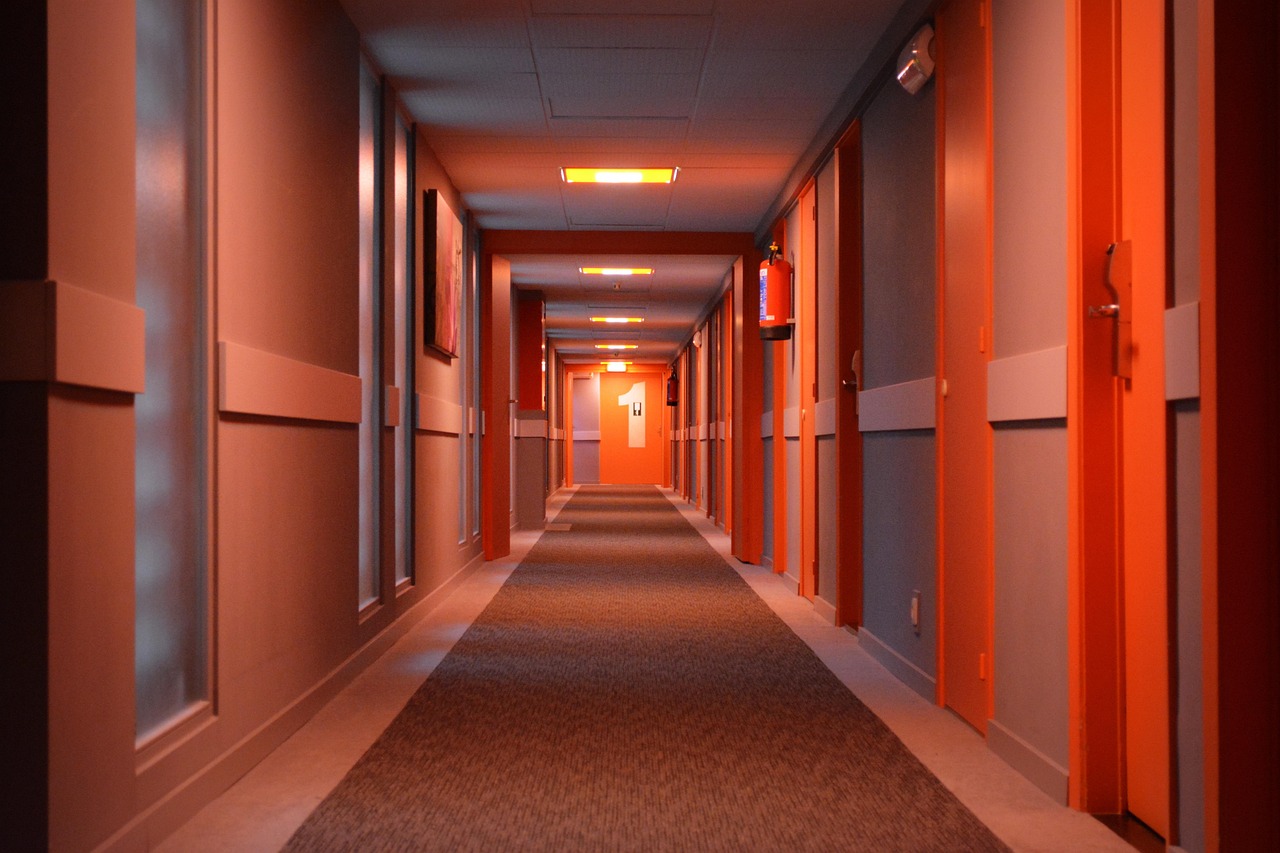
Who your RA actually is
A Resident Assistant, usually called an RA, is a current student, typically a sophomore or above, hired and trained by the housing office to live on your floor and support the students around them. RAs go through training before the semester starts covering policy enforcement, basic conflict mediation, mental health referrals, and emergency response, and most work under a live-in professional staff member called a hall director or area coordinator.
What RAs actually do day to day
RAs run a duty rotation covering nights and weekends, responding to noise complaints, lockouts, and building issues as they come up. They plan and run floor programs, from move-in icebreakers to study breaks during finals, aimed at building community among students who otherwise might never meet. RAs also handle a fair amount of paperwork, including incident reports, maintenance requests, and policy violations they are required to document even when they would rather let something slide.
What to contact your RA for
Getting locked out of your room
Noise complaints or quiet hour violations on your floor
Roommate conflicts you have already tried to address directly
Maintenance issues like a broken heater, leaking sink, or malfunctioning lock
Questions about hall policy, guest rules, or upcoming floor events
A first point of contact if you feel unsafe or notice something wrong on your floor
What RAs cannot do for you
RAs are students, not counselors, doctors, or police officers, even though training covers basic mental health and crisis response. For an ongoing mental health concern, your RA points you to the campus counseling center rather than providing counseling themselves. For a medical emergency, an RA calls for help and stays with you, but is not a substitute for campus health services or 911.
RAs are also mandatory reporters at most schools, meaning they are required to report certain things, like suspected abuse, sexual harassment, or serious safety concerns, to professional staff or a Title IX office even if you ask them to keep it private. Knowing this in advance helps you decide what to bring to your RA versus a resource with full confidentiality, like a counselor.
When to go over your RA's head
Escalate to the hall director or area coordinator when an issue involves your RA directly, when a problem with your RA's judgment or conduct comes up, or when your RA has not been able to resolve something after a reasonable amount of time. Contact campus police or public safety directly, skipping the RA, for anything involving immediate danger, theft, or a crime in progress. Reach out to the Title IX office directly for concerns involving sexual harassment or assault, since that office runs a separate reporting and support process from general housing staff.
How to actually reach your RA
Most halls post their RA's name, room number, and office hours near the floor entrance or on a door sign, along with a duty phone number covered by whichever RA is on call that night. Save the building's front desk or duty phone number in your phone during move-in week, since that number reaches an RA even when your own floor's RA is off duty or unavailable.