Avicenna University
Kabul, Afghanistan • Founded 2010
Updated May 2026
Overview

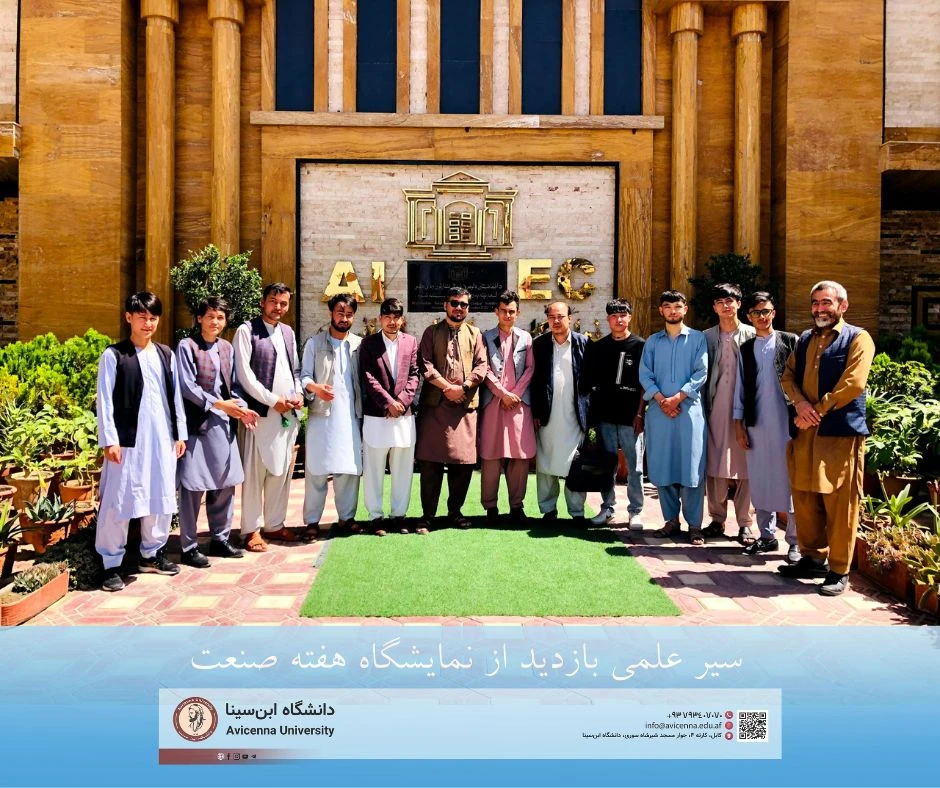
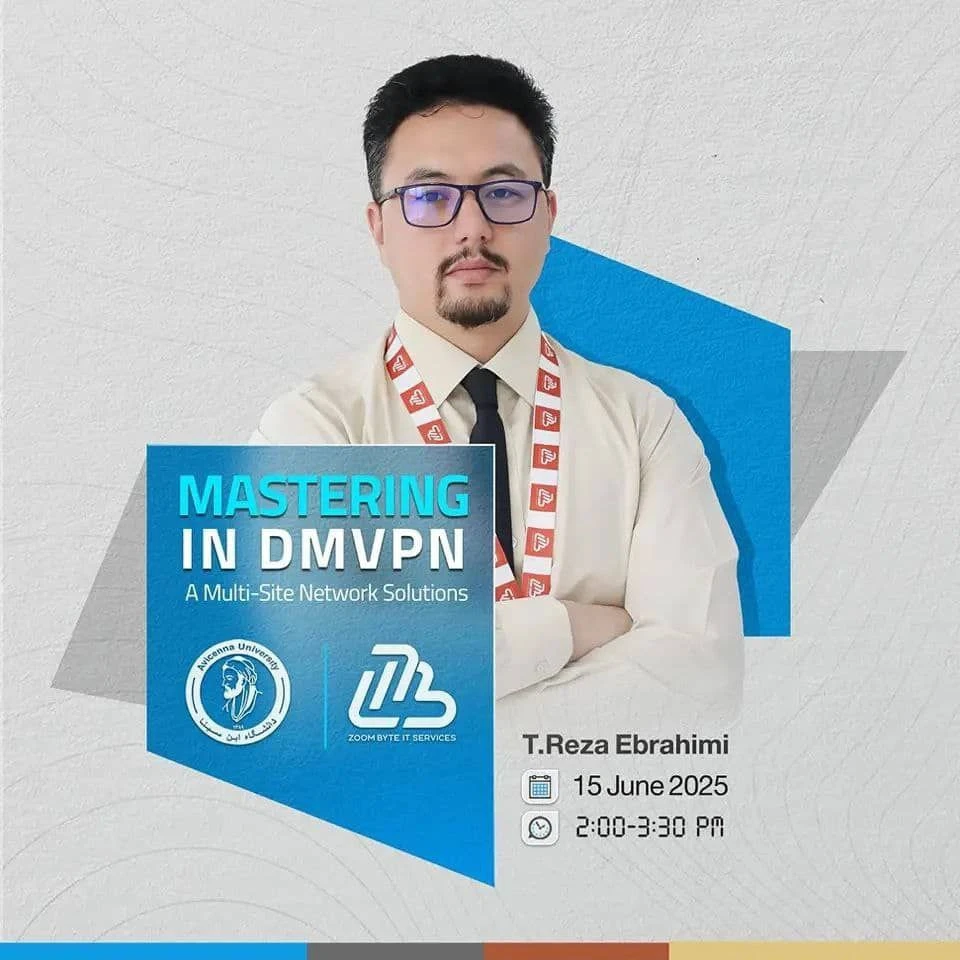

Founded in 2010, Avicenna University is a private institution based in Kabul, Afghanistan. The institution operates as a higher-education provider, providing higher-education access in Afghanistan.
Programmes at Avicenna University cover bachelor's and master's programmes, structured through multiple faculties. The institution administers a catalogue of active programmes across its academic units.
Avicenna University has 2,000 students active in its programmes. The student body operates within its campus environment, supported by teaching and administrative staff across faculties.
Location & Contact
Need to mail, call, or visit Avicenna University? Address, phone, and digital contact options below. Religious and cultural accommodation queries route through specific student services.
Academic Details
The basic academic profile of Avicenna University, including enrolment and faculty composition. Total student count fluctuates intake-to-intake; treat the figure as approximate rather than precise.
Degrees
Each degree level at Avicenna University groups its qualifications below for easy comparison. The grouping makes it straightforward to find equivalent programmes across institutions.
Bachelor's 16 programs
Bachelor's programmes build foundational expertise, preparing graduates for entry-level professional roles and further postgraduate study.
- Architecture
- Banking
- Business Administration
- Civil Engineering
- Criminal Law
- Criminology
- Economics
- Finance
- Information Technology
- International Relations and Diplomacy
- Journalism
- Philosophy
- Political Sciences
- Private Law
- Software Engineering
- Surveying and Mapping
Master's 3 programs
Master's programmes develop advanced specialised expertise, suited to senior industry positions and applied research.
- Criminal Law
- International Relations and Diplomacy
- Private Law
Faculties & Divisions
Avicenna University's teaching divisions and their subject focus. Departmental ownership of programmes determines who handles admissions queries, scholarship questions, and timetable issues.
Mazar-e-Sharif (Campus) 7 subjects offered
Specialisations & Subjects
- Business Administration
- Criminal Law
- Economics
- Information Technology
- International Relations and Diplomacy
- Sociology
- Software Engineering
Computer Science (Faculty) 2 subjects offered
Specialisations & Subjects
- Information Technology
- Software Engineering
Common Career Paths
- Software Engineer
- Data Scientist
- Systems Analyst
Illustrative career directions for this field; specific outcomes depend on programme and student choices.
Economics (Faculty) 4 subjects offered
Specialisations & Subjects
- Banking
- Economics
- Finance
- Management
Common Career Paths
- Economist
- Policy Analyst
- Financial Consultant
Illustrative career directions for this field; specific outcomes depend on programme and student choices.
Engineering (Faculty) 3 subjects offered
Specialisations & Subjects
- Architecture
- Civil Engineering
- Surveying and Mapping
Common Career Paths
- Engineer
- Project Manager
- Technical Consultant
Illustrative career directions for this field; specific outcomes depend on programme and student choices.
Law (Faculty) 3 subjects offered
Specialisations & Subjects
- Criminal Law
- Law
- Public Law
Common Career Paths
- Lawyer
- Legal Consultant
- Compliance Officer
Illustrative career directions for this field; specific outcomes depend on programme and student choices.
Political Sciences (Faculty) 2 subjects offered
Specialisations & Subjects
- International Relations and Diplomacy
- Political Sciences
Common Career Paths
- Research Scientist
- Lab Technician
- Analyst
Illustrative career directions for this field; specific outcomes depend on programme and student choices.
Social Sciences (Faculty) 4 subjects offered
Specialisations & Subjects
- Journalism
- Philosophy
- Sociology
- Translation and Interpretation
Common Career Paths
- Researcher
- Policy Analyst
- Social Worker
Illustrative career directions for this field; specific outcomes depend on programme and student choices.
Programs Offered
Avicenna University's programme finder filters by name across all degree levels. Departmental admissions criteria sometimes differ from institutional minimums — verify against the programme page before relying on either.
22 programmes on record. Each level below shows a sample. Compare these on the programs page All programs in Afghanistan
Bachelor's Degree 20 programmes
Showing 10 of 20.
Master's Degree 2 programmes
How to apply to Avicenna University
Below is a five-step path through the application process at Avicenna University, useful for first-time applicants and international students.
-
1
Browse the programme catalogue
Use the programme finder to browse Avicenna University's 22 active programmes. Filter by keyword or scan by degree level. Read curriculum details on each programme's dedicated page if available.
-
2
Check eligibility for your chosen programme
Programme-level requirements at Avicenna University typically include academic transcripts, language proficiency proof, identity documents, and a personal statement or interview. Confirm specific requirements with the admissions office.
-
3
Get your documents ready
Prepare academic transcripts, ID/passport copies, language proficiency proof, a personal statement, and reference letters. International candidates may need apostilled or notarised translations — start early to avoid deadline pressure.
-
4
Apply through the official channel
Avicenna University processes applications through avicenna.edu.af. Create an account, fill out the application form, and submit your documents. Note application deadlines, which vary by intake and programme.
-
5
Reach out and track your application
Confirm receipt of your application with the admissions office and keep an eye on your portal for status changes. Reach the institution by phone at 93793407070. Quick responses to any follow-up requests keep your application moving smoothly through the review process.
Frequently Asked Questions about Avicenna University
The questions below summarise Avicenna University's vital institutional details — useful as a quick reference before drilling into specific sections.
In what year was Avicenna University established?
Avicenna University was founded in 2010 (approximately 16 years ago).
Where is Avicenna University located?
Avicenna University is located in Kabul, Afghanistan.
What is Avicenna University's control type?
It is a private higher-education institution.
What is the student enrolment at Avicenna University?
Student enrolment at Avicenna University is around 2,000.
What degrees does Avicenna University offer?
Programmes at Avicenna University cover bachelor's and master's programmes.
Is Avicenna University accredited?
The institution holds recognition from Ministry of Higher Education (2018).
What is Avicenna University's official website?
You can find Avicenna University online at avicenna.edu.af.
Faculties at nearby universities
Universities near Avicenna University often have cross-enrolment or visiting-student arrangements that let students take modules at the partner institution. Worth checking if subject coverage at Avicenna University is narrow in your area.


Where Else to Study Politics & International Relations
Interested in Politics & International Relations but want alternatives to Avicenna University? These institutions in Afghanistan also offer programmes in this field, each with their own specialisations and admissions paths. Comparing the curriculum across schools often surfaces differences worth weighing.
Universities Compared with Avicenna University
Peer cohort diversity — gender, nationality, socioeconomic background — varies more than rankings might suggest. Diversity affects classroom dynamics and post-grad networks.

Study abroad guides and resources



Spotted something outdated or missing?
Help us keep this page accurate — it takes about 30 seconds.