
Almaarefa University
Riyadh, Saudi Arabia
Updated May 2026
Overview
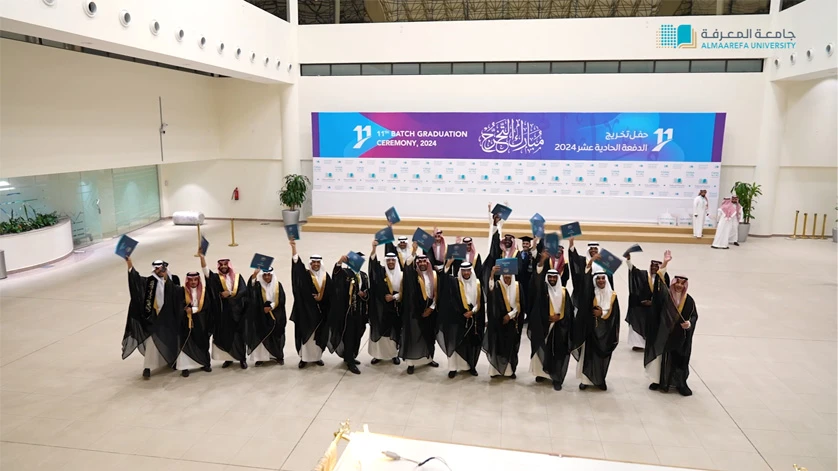


Operating from Riyadh, Saudi Arabia, Almaarefa University delivers higher education as a private institution. It serves as a higher-education provider within Saudi Arabia.
Programmes at Almaarefa University cover bachelor's programmes, structured through several faculties. The institution administers a focused programme catalogue across its academic units.
With 2,402 students on its rolls, Almaarefa University operates as a community of learners and academics. Its campus environment shapes the daily institutional rhythm.
In ranking terms, Almaarefa University is ranked #2309 globally and #27 within Saudi Arabia. The institution participates in Saudi Arabia's academic ecosystem alongside other higher-education providers.
Location & Contact
Find Almaarefa University on the map and reach the right office through the contact channels listed below. Use these for general enquiries; specific departments often run their own contact pages.
Academic Details
Below are the institutional metrics for Almaarefa University: scale, staffing balance, and accreditation context. These shape the academic experience more than headline rankings often suggest.
Faculties & Divisions
Almaarefa University's academic units by subject area. New subject areas (data science, sustainability studies) often emerge as inter-departmental majors before settling into a single faculty.
Applied Sciences (College) 6 subjects offered
Specialisations & Subjects
- Computer Science
- Health Administration
- Industrial Engineering
- Information Technology
- Nursing
- Respiratory Therapy
Common Career Paths
- Research Scientist
- Lab Technician
- Analyst
Illustrative career directions for this field; specific outcomes depend on programme and student choices.
Medicine (College) 2 subjects offered
Specialisations & Subjects
- Medicine
- Surgery
Common Career Paths
- Physician
- Medical Researcher
- Clinical Specialist
Illustrative career directions for this field; specific outcomes depend on programme and student choices.
Pharmacy (College) 1 subject offered
Specialisations & Subjects
- Pharmacy
Common Career Paths
- Pharmacist
- Clinical Pharmacist
- Pharmaceutical Researcher
Illustrative career directions for this field; specific outcomes depend on programme and student choices.
Programs Offered
The programme finder below covers every degree Almaarefa University currently offers. Programme codes here often map to international classification systems used for credential recognition abroad.
14 programmes on record. Each level below shows a sample. Compare these on the programs page All programs in Saudi Arabia
Bachelor's Degree 11 programmes
Showing 10 of 11.
How to apply to Almaarefa University
Below is a five-step path through the application process at Almaarefa University, useful for first-time applicants and international students.
-
1
Identify the right programme
Almaarefa University's catalogue includes 14 programmes. Browse by level, identify candidates matching your prior qualifications, and note their entry requirements for the next step.
-
2
Check entry requirements
Entry requirements vary by programme and degree level. Verify academic minimums, language tests (if international), and any additional documents required for Almaarefa University's admissions process.
-
3
Prepare your application documents
Typical documents include academic transcripts, identity proof (passport or national ID), language proficiency test scores, a personal statement or motivation letter, and recommendation letters. International applicants should account for translation and notarisation time.
-
4
Submit via the institution
Submit your completed application through Almaarefa University's official website at www.um.edu.sa. Most institutions use an online portal — register an account, complete the application form, and upload your prepared documents. Keep copies of all submissions and confirmation receipts.
-
5
Get in touch with admissions
Follow up to confirm your application was received and is being processed. Admissions teams may request interviews or additional documents — respond promptly to keep your application active.
Frequently Asked Questions about Almaarefa University
Quick reference for Almaarefa University: founding, control type, student body, rankings, and recognition status in one place.
What city is Almaarefa University in?
Almaarefa University operates from Riyadh, Saudi Arabia.
What is Almaarefa University's control type?
It is a private higher-education institution.
How big is Almaarefa University's student body?
Almaarefa University serves approximately 2,402 students.
What degrees does Almaarefa University offer?
Almaarefa University delivers bachelor's programmes across its academic units.
Who recognises Almaarefa University?
The institution holds recognition from National Commission for Academic Accreditation and Assessment (NCAAA).
Where can I learn more about Almaarefa University?
You can find Almaarefa University online at www.um.edu.sa.
Top-Ranked Universities in Saudi Arabia
Top Saudi Arabia universities often run international branch campuses. Almaarefa University's international footprint compared to this benchmark signals global engagement scale.


Faculties at nearby universities
Universities located near Almaarefa University are listed below.




Where Else to Study Industrial & Systems Engineering
These universities in Saudi Arabia also offer Industrial & Systems Engineering programmes, alongside Almaarefa University.
Universities Compared with Almaarefa University
Comparable universities to Almaarefa University are listed below.


Studying in Saudi Arabia: guides and resources




Spotted something outdated or missing?
Help us keep this page accurate — it takes about 30 seconds.


