
Brooklyn College
Brooklyn, United States • Founded 1930
Updated Jun 2026 · Source: brooklyn.cuny.edu
Overview
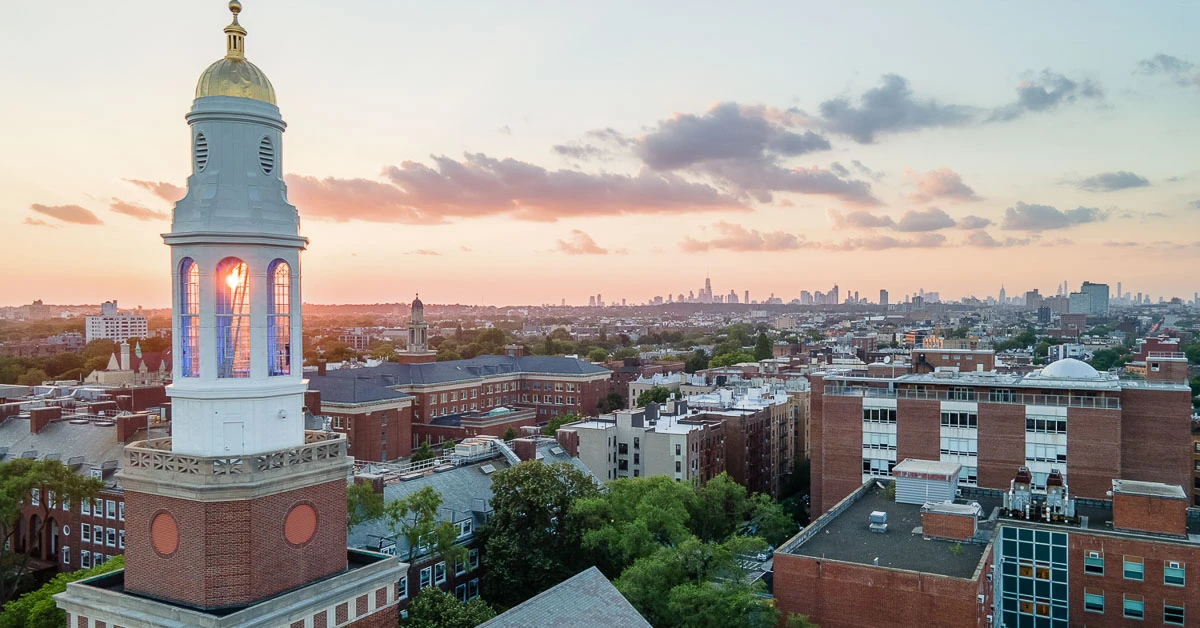
Founded in 1930, the Brooklyn College is a non-profit public higher education institution located in the urban setting of the metropolis of Brooklyn (population range of 1,000,000-5,000,000 inhabitants), New York.
Officially accredited by the Middle States Commission on Higher Education, Brooklyn College (Brooklyn) is a large-sized coeducational US higher education institution. Brooklyn College (Brooklyn) offers courses and programs leading to officially recognized higher education degrees such as pre-bachelor's degrees (i.e. certificates, diplomas, associate or foundation), bachelor's degrees and master's degrees in several areas of study.
This 94-year-old US higher-education institution has a selective admission policy based on entrance examinations and students' past academic records and grades. The acceptance rate range is 50-59% making this US higher education organization an averagely selective institution.
International students are welcome to apply for enrollment.
Brooklyn also provides several academic and non-academic facilities and services to students including a library, sports facilities, financial aids and/or scholarships, study abroad and exchange programs, online courses and distance learning opportunities, as well as administrative services.
Location & Contact
Where to find Brooklyn College, plus its phone, email, website, and social media links.
Academic Details
A snapshot of Brooklyn College's academic profile — enrolment, staffing, and recognition.
Academic Structures
The academic units of Brooklyn College are listed below.
Unit 3 items
- College of Liberal Arts and Sciences
- Division of Graduate Studies
- School of General Studies
Frequently Asked Questions about Brooklyn College
Frequently asked questions about Brooklyn College.
When was Brooklyn College founded?
Brooklyn College was established in 1930 (approximately 96 years ago).
What city is Brooklyn College in?
Brooklyn College operates from Brooklyn, United States.
Is Brooklyn College public or private?
Brooklyn College is a public institution.
How big is Brooklyn College's student body?
Brooklyn College serves approximately 15,000-19,999 students.
What is Brooklyn College's academic structure?
Brooklyn College is organised into 3 academic units across its disciplines.
Is Brooklyn College officially recognised?
The institution holds recognition from Middle States Commission on Higher Education.
Where can I learn more about Brooklyn College?
Brooklyn College's official website is www.brooklyn.cuny.edu.
Top-Ranked Universities in the United States
Top universities in the United States typically offer the most generous institutional scholarships. Brooklyn College's scholarship range relative to these benchmarks reflects funding capacity.

Members of National Collegiate Athletic Association (NCAA)
These universities are also members of National Collegiate Athletic Association (NCAA).
Faculties at nearby universities
Below are universities in the same area as Brooklyn College.


Universities Compared with Brooklyn College
The institutions below are of a similar academic scale to Brooklyn College.

Studying in United States: guides and resources






Spotted something outdated or missing?
Help us keep this page accurate — it takes about 30 seconds.