Public Universities and Colleges in Idaho: Systems, Flagships and How Admission Works
By Muntasir • Published Aug 04, 2026 • Updated Aug 08, 2026 • US States & Cities
Idaho has four public four-year universities and four public community colleges, all set by the Idaho State Board of Education. The University of Idaho in Moscow is the flagship land-grant school, Boise State University is the largest campus, and each school sets its own admission requirements.
🎓 University of Idaho (Moscow): flagship, land-grant, research university
🎓 Boise State University (Boise): largest campus, urban setting
🎓 Idaho State University (Pocatello): lead campus for pharmacy and health sciences
🎓 Lewis-Clark State College (Lewiston): smallest four-year public, lowest tuition in the state
Four community colleges cover Twin Falls, Nampa, Coeur d'Alene and Idaho Falls
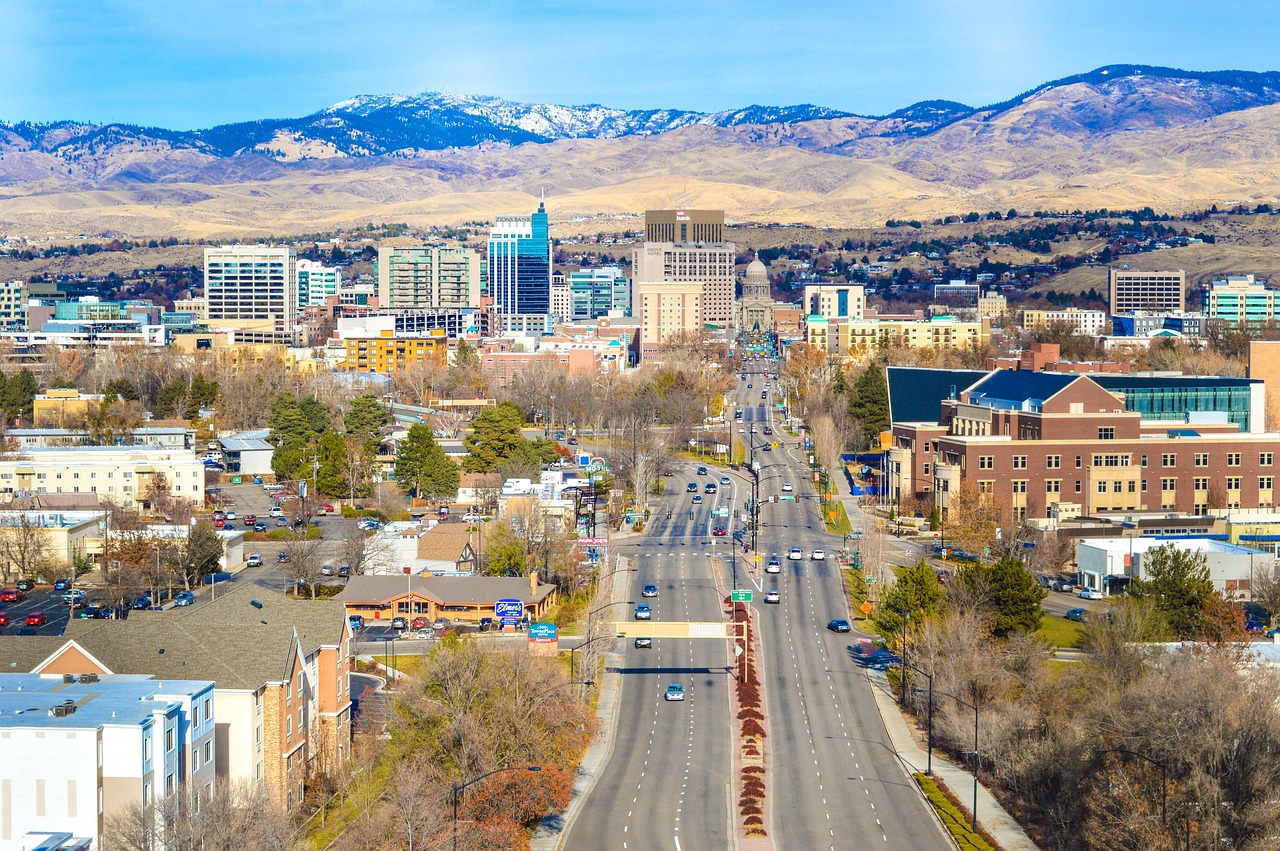
How Idaho organizes public higher education
The Idaho State Board of Education sets policy for every public school in the state, from kindergarten through graduate programs. The board approves tuition rates each spring, reviews new academic programs, and assigns each public college a distinct role so campuses do not duplicate the same degrees.
Four public universities award bachelor's and graduate degrees. Four community colleges award associate degrees, certificates, and transfer credit that feeds into the four-year schools. A handful of private and religious colleges, including Brigham Young University-Idaho, the College of Idaho, and Northwest Nazarene University, round out the state's options outside the public system.
University of Idaho: the flagship
The University of Idaho sits in Moscow, in the state's northern panhandle region near the Washington border. It is Idaho's land-grant university and its primary research institution, with graduate programs, a law school, and a college of agriculture that reflects its founding mission. Enrollment runs near 12,300 students, about 9,600 of them undergraduates, according to NCES College Navigator .
Boise State University: the largest campus
Boise State University sits in the state capital, which gives students direct access to internships in government, tech, and health care. Boise State enrolls more students than any other Idaho campus and has grown its research activity and graduate offerings over the past decade, alongside long-standing strengths in engineering, business, and education.
Idaho State University: health sciences hub
Idaho State University is based in Pocatello, with additional teaching sites in Idaho Falls and Meridian. ISU runs the state's main pharmacy college and trains a large share of Idaho's nurses, physician assistants, and other health professionals, alongside a full range of undergraduate majors.
Lewis-Clark State College: the smallest four-year public
Lewis-Clark State College sits in Lewiston, on the Idaho-Washington border. It is Idaho's smallest public four-year school and focuses on applied and career-connected degrees, from nursing to justice studies. LC State advertises the lowest tuition of any Idaho public four-year college , and students who live across the river in Asotin County, Washington, qualify for a reduced regional rate.
Idaho's four community colleges
Community colleges give you an open-admission, lower-cost path into a degree or straight into the workforce. Each one serves a different region:
College of Southern Idaho, in Twin Falls, serves the Magic Valley region.
College of Western Idaho, in Nampa and Boise, is the newest and serves the Treasure Valley.
North Idaho College, in Coeur d'Alene, serves the panhandle.
College of Eastern Idaho, in Idaho Falls, serves eastern Idaho near the Idaho National Laboratory.
All four hold transfer agreements with the public universities, so general education credit you earn in your first two years applies toward a bachelor's degree once you move on, without you having to renegotiate which classes count.
How admission works
Community colleges have open admission. You register for classes rather than compete for a spot, though some technical and health programs limit enrollment and require a separate application.
The four public universities each run their own admission process. You apply directly to the campus, not through a shared statewide application, and submit your high school transcript and any required test scores. Standards and whether a campus requires standardized test scores change from year to year, so check the current requirements on each school's admissions page before you apply. Idaho's public universities admit the large majority of applicants who meet minimum coursework and GPA thresholds, which makes the state system a realistic option even if your transcript is not top of the class.
Dual credit and transfer credit before you apply
Many Idaho students arrive at a public university with college credit already earned in high school through Idaho's Advanced Opportunities program, which funds dual credit, Advanced Placement, and other early-credit options. Ask your high school counselor how much of that state-backed dual credit funding you have left before senior year, since it can shrink the number of credits you pay for once you enroll.
If you start at a community college first, plan your course selection around the general education requirements of the university you eventually want to attend. Meeting with an advisor at both schools before you transfer keeps you from paying for credits that do not count toward your bachelor's degree.
Choosing the right campus
Match the campus to your goals rather than to its size. If you want a research-heavy environment, a law school, or agriculture and natural resources programs, University of Idaho fits. If you want an urban campus with strong ties to tech and business employers, Boise State fits. If health care is your target, Idaho State's pharmacy and nursing pipeline stands out. If you want a smaller campus with lower cost and hands-on career programs, Lewis-Clark State fits. If you are unsure or want to save money first, start at a community college and transfer into any of the four universities.