PhD in Physics
Cambridge, Massachusetts, United States•QS 2027 #5
Official program page (opens in a new tab)
Offered by Harvard University in Cambridge, United States, PhD in Physics is a doctorate programme.
Also offered as: Bachelor's Degree, Master's Degree, Doctorate
At a glance
Degree: Doctorate
We have no tuition fees or an application deadline on record for this programme yet — see the official programme page. — it helps other students.
Last checked October 2026 · Source: harvard.edu ·
Program details
Overview
Graduate students in physics at Harvard choose among many subjects and departments. Within the physics department they use modern laboratory facilities and work with well-known faculty and experienced postdoctoral researchers.
The research spans atoms and molecules, light and matter, condensed matter, computational methods, solids and fluids, biological physics, astronomy and cosmology, statistical and mathematical physics, particle physics, field theory, string theory and gravity. Candidates apply to the Griffin Graduate School (GSAS), which confers the degree. An undergraduate concentration at Harvard College serves several goals, from preparing for a professional physics career to supporting later study in medicine, teaching, law, business and government service.
The program page pairs a short summary with links to learn more and to apply. It does not publish tuition, duration or deadline information, so applicants should confirm those details with the admitting school before planning.
Requirements
About Harvard University
“Veritas”
Type: University
Control: Private
Campus setting: Urban
Founded: 1636
Students: 7,601
QS rank: #5
Programs: 654
Location: Cambridge, Massachusetts, United States
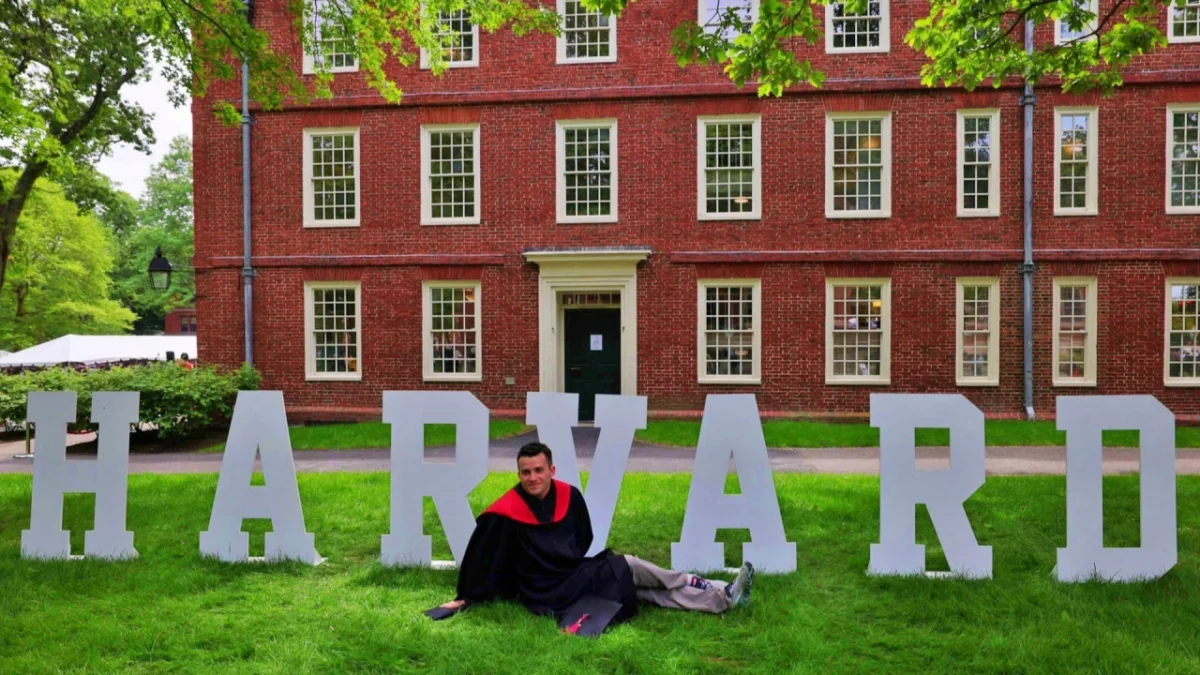
View the full Harvard University profile
More programs at Harvard University
Other universities in United States

Massachusetts Institute of Technology
HA
Harvard–MIT Division of Health Sciences and Technology

Hult International Business School

Lesley University
LO
Longy School of Music of Bard College
NE
New England University Transportation Center
Studying in United States: guides and resources
Guides
Top 20 Universities in USA: Ranking Methodology and Graduate Outcomes

Education Planning
The Perfect Format for Academic Letters of Recommendation

Featured
How to Write an Irresistible Statement of Purpose

Study Abroad
Yenching Academy of Peking University: Fully Funded Interdisciplinary China Studies

US Financial Aid & Scholarships
Why Accreditation Affects Financial Aid, Transfer Credit, and Licensure

US College Admissions
Regular Decision and Rolling Admission Deadlines Explained
Spotted something outdated or missing?
Help us keep this page accurate — it takes about 30 seconds.