The Hong Kong Polytechnic University
China • Founded 1937 • QS 2027 #50
Updated May 2026 · Source: polyu.edu.hk
Overview
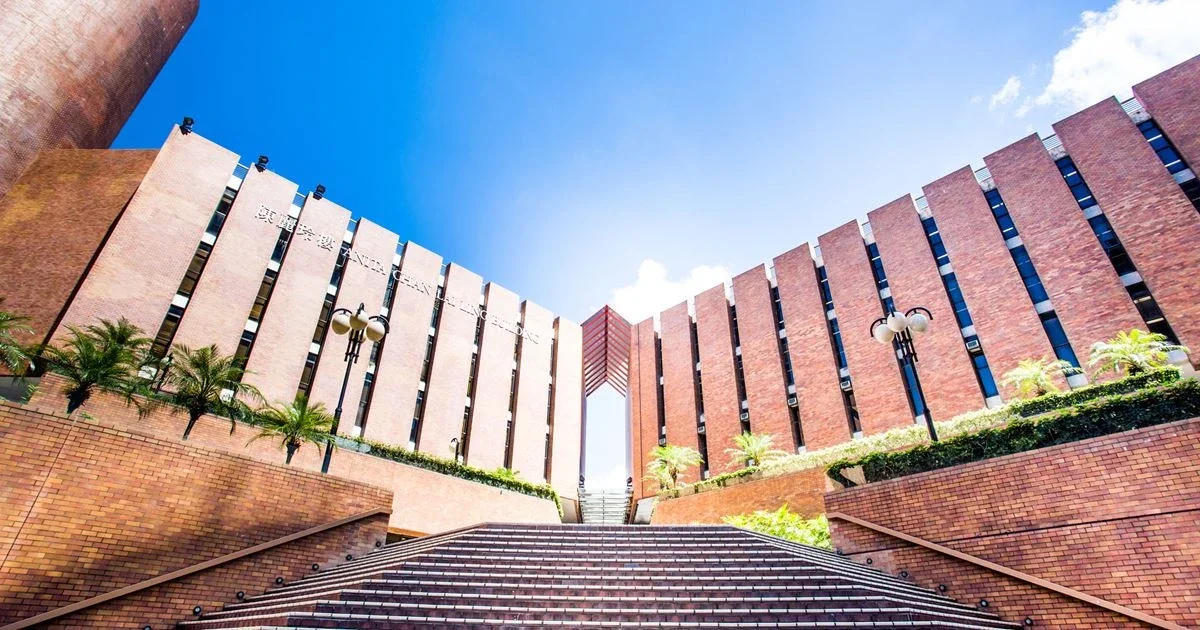


Established in 1937, The Hong Kong Polytechnic University is a non-profit public higher education institution located in the urban setting of the large metropolis of Hong Kong (population range of over 5,000,000 inhabitants).
Officially recognized by the Education Bureau of Hong Kong SAR, The Hong Kong Polytechnic University (PolyU) is a large-sized coeducational HK higher education institution. The Hong Kong Polytechnic University (PolyU) offers courses and programs leading to officially recognized higher education degrees such as pre-bachelor's degrees (i.e. certificates, diplomas, associate or foundation), bachelor's degrees, master's degrees and doctorate degrees in several areas of study.
This 87-year-old HK higher-education institution has a selective admission policy based on entrance examinations and students' past academic records and grades. International applicants are eligible to apply for enrollment.
PolyU also provides several academic and non-academic facilities and services to students including a library, housing, sports facilities, financial aids and/or scholarships, study abroad and exchange programs, online courses and distance learning opportunities, as well as administrative services.
Location & Contact
Address, phone, email, and online links for The Hong Kong Polytechnic University are listed below.
Academic Details
The Hong Kong Polytechnic University's key academic numbers — student body size, staffing, and accreditation context.
Academic Structures
The Hong Kong Polytechnic University's faculties, schools, institutes, and constituent units are listed below.
Unit 8 items
- Faculty of Applied Science and Textiles
- Faculty of Business
- Faculty of Construction and Environment
- Faculty of Engineering
- Faculty of Health and Social Sciences
- Faculty of Humanities
- School of Design
- School of Hotel and Tourism Management
Programs Offered
The full set of programmes The Hong Kong Polytechnic University offers is searchable and grouped by level below.
46 programmes on record. Each level below shows a sample. Compare these on the programs page All programs in China
Bachelor's Degree 46 programmes
Showing 10 of 46.
How to apply to The Hong Kong Polytechnic University
The application path for The Hong Kong Polytechnic University, in five steps.
-
1
Research programmes at The Hong Kong Polytechnic University
Start by exploring the programmes section on this page. The Hong Kong Polytechnic University runs 46 active programmes across multiple degree levels. Narrow by qualification tier and read each programme description before shortlisting.
-
2
Review admissions criteria
Before applying to The Hong Kong Polytechnic University, confirm you meet the academic, language, and document requirements for your chosen programme. International applicants should also check visa eligibility for China.
-
3
Gather supporting documents
Standard documents: official transcripts, identity proof, language test results, personal statement, and references. Confirm exact requirements with The Hong Kong Polytechnic University's admissions office before assembling, as expectations vary by programme.
-
4
Lodge your application
Lodge your application through the official website (www.polyu.edu.hk). Online forms are the standard route. Save your draft frequently and submit before the programme deadline.
-
5
Confirm receipt and track progress
Verify your application has been received by the admissions team. Reach the institution by phone at +852 2766 5111. Monitor the portal for status updates, interview invitations, or document requests, and respond within the stated deadlines.
Frequently Asked Questions about The Hong Kong Polytechnic University
Concise answers to common questions about The Hong Kong Polytechnic University.
When was The Hong Kong Polytechnic University founded?
The Hong Kong Polytechnic University was established in 1937 (approximately 89 years ago).
Where is The Hong Kong Polytechnic University located?
The Hong Kong Polytechnic University is located in Hong Kong, China.
Is The Hong Kong Polytechnic University public or private?
It is a public higher-education institution.
What is the student enrolment at The Hong Kong Polytechnic University?
Student enrolment at The Hong Kong Polytechnic University is around 25,000-29,999.
How is The Hong Kong Polytechnic University ranked?
The Hong Kong Polytechnic University is ranked QS 2027 #50.
How many faculties does The Hong Kong Polytechnic University have?
The Hong Kong Polytechnic University is organised into 8 academic units across its disciplines.
Is The Hong Kong Polytechnic University officially recognised?
Yes, The Hong Kong Polytechnic University is recognised by Education Bureau of Hong Kong SAR.
What is The Hong Kong Polytechnic University's official website?
The Hong Kong Polytechnic University's official website is www.polyu.edu.hk.
Top-Ranked Universities in China
Graduate-school placement rates among China's top universities set the upper bound for that signal. The Hong Kong Polytechnic University's placement rate relative to leaders is one signal of academic preparation depth.



Members of Association of Southeast Asian Institutions of Higher Learning (ASAIHL)
Members of Association of Southeast Asian Institutions of Higher Learning (ASAIHL), alongside The Hong Kong Polytechnic University.



Faculties at nearby universities
Also nearby: universities located close to The Hong Kong Polytechnic University.



Where Else to Study Civil Engineering & Construction
These universities in China also offer Civil Engineering & Construction programmes, alongside The Hong Kong Polytechnic University.


Universities Compared with The Hong Kong Polytechnic University
Below are universities sometimes compared with The Hong Kong Polytechnic University.

Studying in China: guides and resources






Spotted something outdated or missing?
Help us keep this page accurate — it takes about 30 seconds.