
Universidad Bíblica Latinoamericana
San José, Costa Rica • Founded 1997
Updated May 2026
Overview
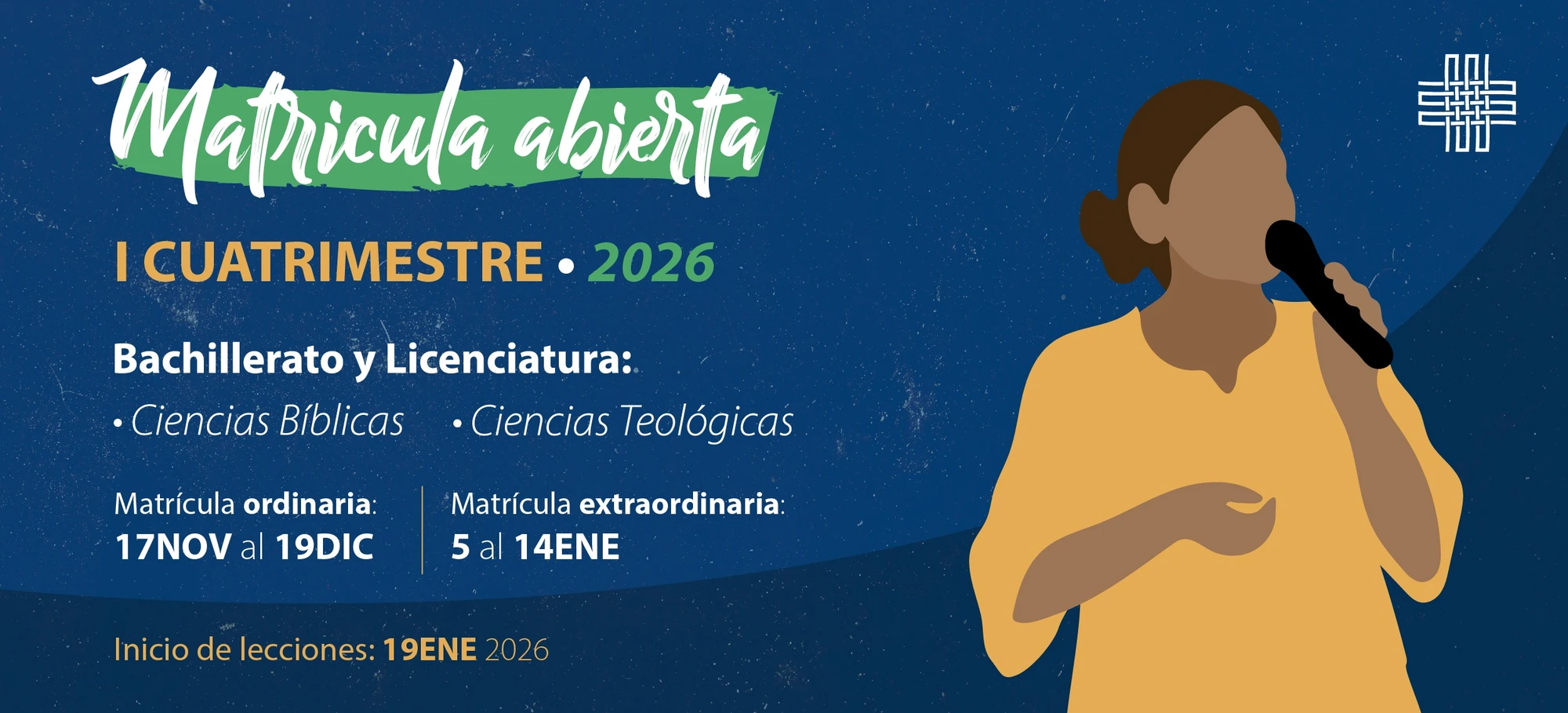


Established in 1997, the Universidad Bíblica Latinoamericana (Latin American Biblical University) is a private higher education institution located in the metropolis of San José (population range of 1,000,000-5,000,000 inhabitants), San Jose.
Officially recognized by the Ministerio de Educación Pública, Costa Rica (Ministry of Public Education of Costa Rica), Universidad Bíblica Latinoamericana (UBL) is a coeducational Costa Rican higher education institution formally affiliated with the Christian-Catholic religion. Universidad Bíblica Latinoamericana (UBL) offers courses and programs leading to officially recognized higher education degrees in several areas of study.
UBL also provides several academic and non-academic facilities and services to students including a library, as well as administrative services.
Location & Contact
Universidad Bíblica Latinoamericana's coordinates, postal address, and the contact channels admissions teams respond on. Campus tour bookings often have their own page distinct from general contact channels.
Academic Details
Key statistics on Universidad Bíblica Latinoamericana's student population, faculty size, and external recognition. International vs domestic student split is often missing from these figures but matters for campus culture.
Programs Offered
Search the Universidad Bíblica Latinoamericana programme catalogue or scan it by degree level. The catalogue updates periodically; recently added programmes may not yet appear in some search-engine results.
4 programmes on record. Compare these on the programs page All programs in Costa Rica
Bachelor's Degree 2 programmes
Master's Degree 2 programmes
How to apply to Universidad Bíblica Latinoamericana
Practical steps to apply to Universidad Bíblica Latinoamericana, suitable as a starting checklist before contacting the admissions team directly.
-
1
Browse the programme catalogue
Begin by reviewing the programmes section above. Universidad Bíblica Latinoamericana offers 4 programmes grouped by qualification level. Decide on a target tier (bachelor's, master's, or doctoral) before narrowing by subject.
-
2
Check eligibility for your chosen programme
Each programme at Universidad Bíblica Latinoamericana has its own entry requirements — academic minimums, language proficiency, supporting documents, and sometimes interviews or portfolios. Check the programme-specific page or contact admissions to confirm eligibility.
-
3
Get your documents ready
Most applications require certified academic records, identification documents, language test certificates (IELTS, TOEFL, or equivalent for English-medium programmes), CV/résumé, and a statement of purpose. Allow extra time for document authentication.
-
4
Apply through the official channel
Apply directly via Universidad Bíblica Latinoamericana's online portal at ubl.ac.cr. Complete the application form, upload supporting documents, and pay any application fee. Confirmation emails typically arrive within a few business days.
-
5
Reach out and track your application
After submitting, confirm receipt with the admissions office and track your application status through the portal. Reach the institution by phone at +506 2283 4498. Set reminders for any interview requests, additional document submissions, or admission decision deadlines.
Frequently Asked Questions about Universidad Bíblica Latinoamericana
The questions below summarise Universidad Bíblica Latinoamericana's vital institutional details — useful as a quick reference before drilling into specific sections.
When did Universidad Bíblica Latinoamericana open?
Universidad Bíblica Latinoamericana traces its founding to 1997 (approximately 29 years ago).
What city is Universidad Bíblica Latinoamericana in?
Universidad Bíblica Latinoamericana operates from San José, Costa Rica.
What is Universidad Bíblica Latinoamericana's control type?
Universidad Bíblica Latinoamericana is a private institution.
Is Universidad Bíblica Latinoamericana affiliated with a religion?
Universidad Bíblica Latinoamericana operates within the Christian-Catholic tradition.
Is Universidad Bíblica Latinoamericana officially recognised?
Universidad Bíblica Latinoamericana is accredited by Ministerio de Educación Pública, Costa Rica.
What is Universidad Bíblica Latinoamericana's official website?
You can find Universidad Bíblica Latinoamericana online at ubl.ac.cr.
Top-Ranked Universities in Costa Rica
These are the most highly ranked universities in Costa Rica. Putting Universidad Bíblica Latinoamericana alongside them gives a clearer picture of where it sits in the national academic landscape, especially when reputation matters for credential portability.
Other Costa Rican Universities Affiliated with Christian-Catholic
For students for whom faith context matters, universities affiliated with Christian-Catholic share Universidad Bíblica Latinoamericana's tradition and values across Costa Rica. Shared affiliation often translates into comparable chaplaincy provision and campus culture.


Faculties at nearby universities
Other institutions in Universidad Bíblica Latinoamericana's region offer similar admissions cycles and overlapping subject areas, listed below for comparison. Regional clusters often share employer networks and post-study career pathways.



Universities Compared with Universidad Bíblica Latinoamericana
Yield rates (proportion of admitted students who enroll) cluster among peer institutions. High-yield universities signal strong applicant preference compared to peers at the same selectivity level.



Studying in Costa Rica: guides and resources




Spotted something outdated or missing?
Help us keep this page accurate — it takes about 30 seconds.