National Institute of Technology, Tiruchirappalli
Tiruchirappalli, India • Founded 1964 • World Rank #2331
Updated Jun 2026
Overview
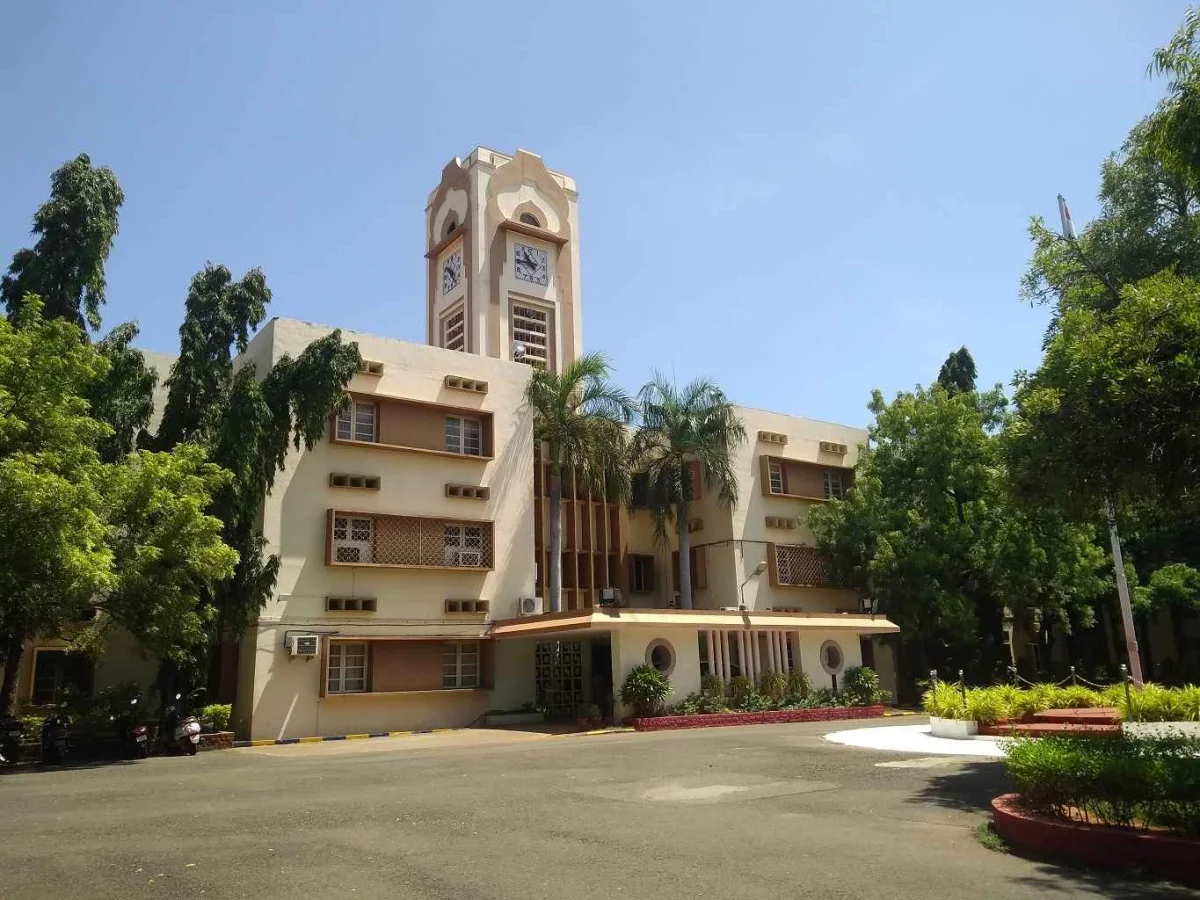


Established in 1964, the National Institute of Technology, Tiruchirappalli is a non-profit public higher education institution located in the urban setting of the large city of Tiruchirappalli (population range of 500,000-1,000,000 inhabitants), Tamil Nadu.
Officially recognized by the Department of Higher Education of the Ministry of Human Resources Development of India, National Institute of Technology, Tiruchirappalli (NIT Trichy) is a medium-sized coeducational Indian higher education institution. National Institute of Technology, Tiruchirappalli (NIT Trichy) offers courses and programs leading to officially recognized higher education degrees in several areas of study.
This 60-year-old Indian higher-education institution has a selective admission policy based on entrance examinations. International applicants are eligible to apply for enrollment.
NIT Trichy also provides several academic and non-academic facilities and services to students including a library, as well as administrative services.
Location & Contact
Where to find National Institute of Technology, Tiruchirappalli, plus its phone, email, website, and social media links. Confirm the published channels here are current before sending application materials.
Academic Details
National Institute of Technology, Tiruchirappalli's student-to-faculty composition and recognition standing are listed below. Student support staff (advisers, counsellors) are typically separate from academic staff and often uncounted here.
Degrees
Also M.S. (by Research), MCA and MBA
Doctoral 14 programs
Doctoral programmes train independent researchers, leading to academic, scientific, and senior advisory careers.
- Architecture
- Chemical Engineering
- Chemistry
- Civil Engineering
- Computer Science
- Electrical and Electronic Engineering
- Electronics and Automation
- Management
- Mathematics
- Mechanical Engineering
- Metallurgical Engineering
- Physics
- Production Engineering
- Telecommunications Engineering
Faculties & Divisions
All faculties operate under Department of Higher Education of the Ministry of Human Resources Development of India.
Architecture (Department/Division) 1 subject offered
Specialisations & Subjects
- Architecture
Common Career Paths
- Architect
- Urban Planner
- Interior Designer
Illustrative career directions for this field; specific outcomes depend on programme and student choices.
Chemical Engineering (Department/Division) 4 subjects offered
Specialisations & Subjects
- Agricultural Engineering
- Chemical Engineering
- Electronics and Automation
- Energy Engineering
Common Career Paths
- Process Engineer
- Plant Manager
- Materials Specialist
Illustrative career directions for this field; specific outcomes depend on programme and student choices.
Chemistry (Department/Division) 2 subjects offered
Specialisations & Subjects
- Chemical Engineering
- Chemistry
Common Career Paths
- Chemist
- Lab Researcher
- Quality Control Specialist
Illustrative career directions for this field; specific outcomes depend on programme and student choices.
Civil Engineering (Department/Division) 5 subjects offered
Specialisations & Subjects
- Civil Engineering
- Construction Engineering
- Environmental Engineering
- Transport Engineering
- Transport Management
Common Career Paths
- Civil Engineer
- Construction Project Manager
- Structural Engineer
Illustrative career directions for this field; specific outcomes depend on programme and student choices.
Computer Applications (Department/Division) 2 subjects offered
Specialisations & Subjects
- Computer Science
- Operations Research
Common Career Paths
- Software Engineer
- Data Scientist
- Systems Analyst
Illustrative career directions for this field; specific outcomes depend on programme and student choices.
Computer Science and Engineering (Department/Division) 5 subjects offered
Specialisations & Subjects
- Artificial Intelligence
- Computer Engineering
- Computer Networks
- Computer Science
- Software Engineering
Common Career Paths
- Software Engineer
- Data Scientist
- Systems Analyst
Illustrative career directions for this field; specific outcomes depend on programme and student choices.
Electrical and Electronics Engineering (Department/Division) 4 subjects offered
Specialisations & Subjects
- Electrical and Electronic Engineering
- Electrical Engineering
- Electronic Engineering
- Power Engineering
Common Career Paths
- Engineer
- Project Manager
- Technical Consultant
Illustrative career directions for this field; specific outcomes depend on programme and student choices.
Electronics and Communication Engineering (Department/Division) 6 subjects offered
Specialisations & Subjects
- Computer Engineering
- Computer Graphics
- Computer Networks
- Electronic Engineering
- Microwaves
- Telecommunications Engineering
Common Career Paths
- Engineer
- Project Manager
- Technical Consultant
Illustrative career directions for this field; specific outcomes depend on programme and student choices.
Humanities (Department/Division) 8 subjects offered
Specialisations & Subjects
- Arts and Humanities
- Business Administration
- Communication Studies
- English
- Industrial and Organizational Psychology
- Industrial Management
- Labour Law
- Psychology
Common Career Paths
- Researcher
- Editor
- Cultural Analyst
Illustrative career directions for this field; specific outcomes depend on programme and student choices.
Instrumentation and Control Engineering (Department/Division) 3 subjects offered
Specialisations & Subjects
- Electronics and Automation
- Engineering Management
- Measurement and Precision Engineering
Common Career Paths
- Engineer
- Project Manager
- Technical Consultant
Illustrative career directions for this field; specific outcomes depend on programme and student choices.
Management Studies (Department/Division) 9 subjects offered
Specialisations & Subjects
- Business Administration
- Commercial Law
- Economics
- Finance
- Human Resources
- Information Management
- Management
- Marketing
- Operations Research
Common Career Paths
- Operations Manager
- Project Manager
- HR Manager
Illustrative career directions for this field; specific outcomes depend on programme and student choices.
Mathematics (Department/Division) 1 subject offered
Specialisations & Subjects
- Mathematics
Common Career Paths
- Data Analyst
- Statistician
- Actuary
Illustrative career directions for this field; specific outcomes depend on programme and student choices.
Mechanical Engineering (Department/Division) 5 subjects offered
Specialisations & Subjects
- Industrial Engineering
- Mechanical Engineering
- Power Engineering
- Safety Engineering
- Thermal Engineering
Common Career Paths
- Mechanical Engineer
- Design Engineer
- Manufacturing Engineer
Illustrative career directions for this field; specific outcomes depend on programme and student choices.
Metallurgical and Materials Engineering (Department/Division) 3 subjects offered
Specialisations & Subjects
- Materials Engineering
- Metal Techniques
- Metallurgical Engineering
Common Career Paths
- Engineer
- Project Manager
- Technical Consultant
Illustrative career directions for this field; specific outcomes depend on programme and student choices.
Physics (Department/Division) 3 subjects offered
Specialisations & Subjects
- Applied Physics
- Environmental Engineering
- Physics
Common Career Paths
- Physicist
- Research Scientist
- Data Analyst
Illustrative career directions for this field; specific outcomes depend on programme and student choices.
Production Engineering (Department/Division) 2 subjects offered
Specialisations & Subjects
- Industrial Engineering
- Production Engineering
Common Career Paths
- Engineer
- Project Manager
- Technical Consultant
Illustrative career directions for this field; specific outcomes depend on programme and student choices.
Programs Offered
National Institute of Technology, Tiruchirappalli's programme list, with search and degree-level grouping. Search matches programme names; if you don't see your subject, check the divisions section to locate the relevant faculty.
65 programmes on record. Each level below shows a sample. Compare these on the programs page All programs in India
Bachelor's Degree 10 programmes
Master of Business Administration 1 programme
Master's Degree 37 programmes
Showing 10 of 37.
Doctorate 17 programmes
Showing 10 of 17.
How to apply to National Institute of Technology, Tiruchirappalli
A practical five-step guide to applying to National Institute of Technology, Tiruchirappalli, from programme research through submission and follow-up.
-
1
Research programmes at National Institute of Technology, Tiruchirappalli
Start by exploring the programmes section on this page. National Institute of Technology, Tiruchirappalli runs 65 active programmes across multiple degree levels. Narrow by qualification tier and read each programme description before shortlisting.
-
2
Review admissions criteria
Before applying to National Institute of Technology, Tiruchirappalli, confirm you meet the academic, language, and document requirements for your chosen programme. International applicants should also check visa eligibility for India.
-
3
Gather supporting documents
Standard documents: official transcripts, identity proof, language test results, personal statement, and references. Confirm exact requirements with National Institute of Technology, Tiruchirappalli's admissions office before assembling, as expectations vary by programme.
-
4
Lodge your application
Lodge your application through the official website (www.nitt.edu). Online forms are the standard route. Save your draft frequently and submit before the programme deadline.
-
5
Confirm receipt and track progress
Verify your application has been received by the admissions team. Reach the institution by phone at +91 (431) 250 1801. Monitor the portal for status updates, interview invitations, or document requests, and respond within the stated deadlines.
Frequently Asked Questions about National Institute of Technology, Tiruchirappalli
Concise answers to the most-searched questions about National Institute of Technology, Tiruchirappalli, useful as a quick orientation before exploring the rest of the profile.
In what year was National Institute of Technology, Tiruchirappalli established?
National Institute of Technology, Tiruchirappalli was founded in 1964 (approximately 62 years ago).
In which city is National Institute of Technology, Tiruchirappalli?
National Institute of Technology, Tiruchirappalli is based in Tiruchirappalli, India.
Is National Institute of Technology, Tiruchirappalli a public or private institution?
It is a public higher-education institution.
How many students study at National Institute of Technology, Tiruchirappalli?
National Institute of Technology, Tiruchirappalli has approximately 7,000-7,999 students.
What is National Institute of Technology, Tiruchirappalli's ranking?
It ranks #2331 globally and #63 in India.
What degrees does National Institute of Technology, Tiruchirappalli offer?
National Institute of Technology, Tiruchirappalli offers bachelor's, master's and doctoral programmes.
Who recognises National Institute of Technology, Tiruchirappalli?
National Institute of Technology, Tiruchirappalli is accredited by Ministry of Human Resource.
Where can I learn more about National Institute of Technology, Tiruchirappalli?
National Institute of Technology, Tiruchirappalli's official website is www.nitt.edu.
Top-Ranked Universities in India
Time-trend in rankings matters: rising universities in India may overtake National Institute of Technology, Tiruchirappalli or its peers over your study horizon. Year-on-year movement signals institutional momentum.


Faculties at nearby universities
Below are universities sharing regional libraries and consortia with National Institute of Technology, Tiruchirappalli. Library reciprocity and shared databases can extend research access beyond what any single institution offers alone.

Where Else to Study Industrial & Systems Engineering
Accreditation portability differs for Industrial & Systems Engineering programmes across India. Professional accreditation (where applicable) matters more than institutional accreditation for regulated career paths.

Universities Compared with National Institute of Technology, Tiruchirappalli
Mid-career outcome data (5–10 year post-graduation) is harder to source but more revealing than starting-salary data. Where available for peer institutions, it is worth comparing.

Studying in India: guides and resources






Spotted something outdated or missing?
Help us keep this page accurate — it takes about 30 seconds.