Paideia Cultural Institute
Toluca, Mexico
Overview
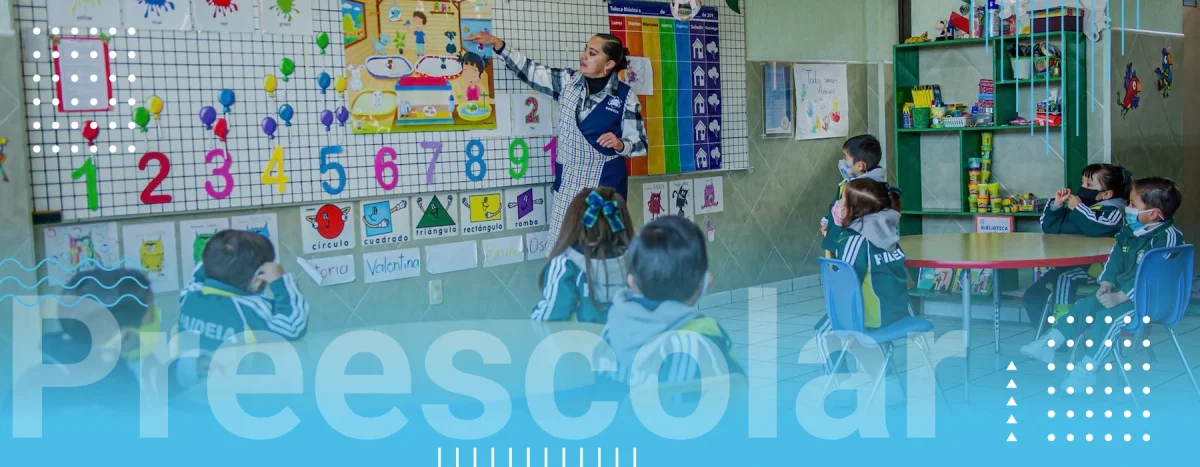


Within Mexico's higher-education landscape, Paideia Cultural Institute stands as a private institution. It operates from Toluca, Mexico as a higher-education provider.
Programmes at Paideia Cultural Institute cover multiple qualification levels, structured through a single faculty. The institution administers a catalogue of active programmes across its academic units.
Location & Contact
Paideia Cultural Institute's street address and primary contact methods. Social channels often differentiate by purpose — admissions on one, alumni on another, events on a third.
Degrees
Each qualification level at Paideia Cultural Institute appears below with its degrees. Research-by-thesis versus taught master's programmes differ in structure, assessment, and graduate-school positioning.
Other 3 programs
- Educational Research
- Educational Sciences
- Foreign Languages Education
Faculties & Divisions
Paideia Cultural Institute groups its teaching by faculty. Faculties usually operate with academic autonomy and may have distinct admissions criteria from the institution as a whole.
Educational Sciences (Course/Programme) 3 subjects offered
Specialisations & Subjects
- Educational Research
- Educational Sciences
- Foreign Languages Education
Common Career Paths
- Teacher
- Educational Administrator
- Curriculum Specialist
Illustrative career directions for this field; specific outcomes depend on programme and student choices.
How to apply to Paideia Cultural Institute
A short guide to applying to Paideia Cultural Institute — five steps covering the path from programme selection to confirmation of receipt.
- 1 Research programmes at Paideia Cultural Institute
Start by browsing Paideia Cultural Institute's available programmes. Match your prior qualifications to a suitable degree level (bachelor's, master's, or doctoral) before narrowing by subject.
- 2 Review admissions criteria
Before applying to Paideia Cultural Institute, confirm you meet the academic, language, and document requirements for your chosen programme. International applicants should also check visa eligibility for Mexico.
- 3 Gather supporting documents
Standard documents: official transcripts, identity proof, language test results, personal statement, and references. Confirm exact requirements with Paideia Cultural Institute's admissions office before assembling, as expectations vary by programme.
- 4 Lodge your application
Lodge your application through the official website (paideia.mx). Online forms are the standard route. Save your draft frequently and submit before the programme deadline.
- 5 Confirm receipt and track progress
Verify your application has been received by the admissions team. Reach the institution by phone at 7222179863. Monitor the portal for status updates, interview invitations, or document requests, and respond within the stated deadlines.
Frequently Asked Questions about Paideia Cultural Institute
A short Q&A covering Paideia Cultural Institute's essentials — founding, location, scale, ranking, and academic structure.
Where is Paideia Cultural Institute located?
Paideia Cultural Institute is located in Toluca, Mexico.
Is Paideia Cultural Institute public or private?
Paideia Cultural Institute is a private institution.
Where can I learn more about Paideia Cultural Institute?
Paideia Cultural Institute's official website is paideia.mx.
Top-Ranked Universities in Mexico
Alumni network strength of Mexico's national leaders compounds over time. The peer-graduate networks at top institutions often outweigh academic differences in long-run career outcomes.



Faculties at Nearby Universities
Students considering Paideia Cultural Institute often compare it against universities in the same region. Below are nearby institutions with comparable academic departments and student support structures, useful for cross-shortlisting.

Universities Often Compared with Paideia Cultural Institute
Selectivity rates (acceptance percentage) cluster around Paideia Cultural Institute for the peer institutions below. Selectivity is one of the more stable signals of institutional positioning over time.