Red Sea University
Port Sudan, Sudan • Founded 1994
Updated May 2026
Overview
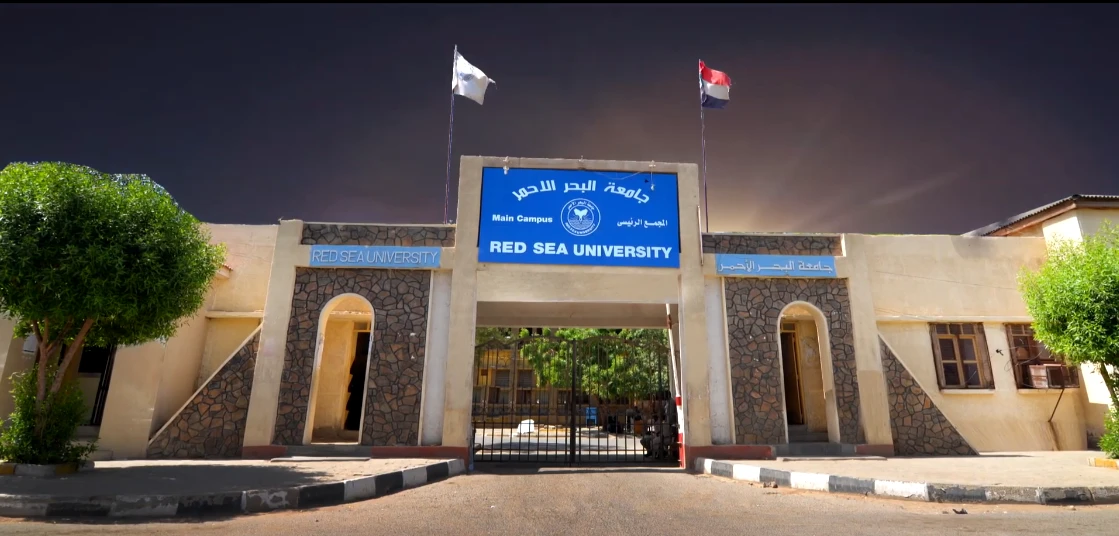

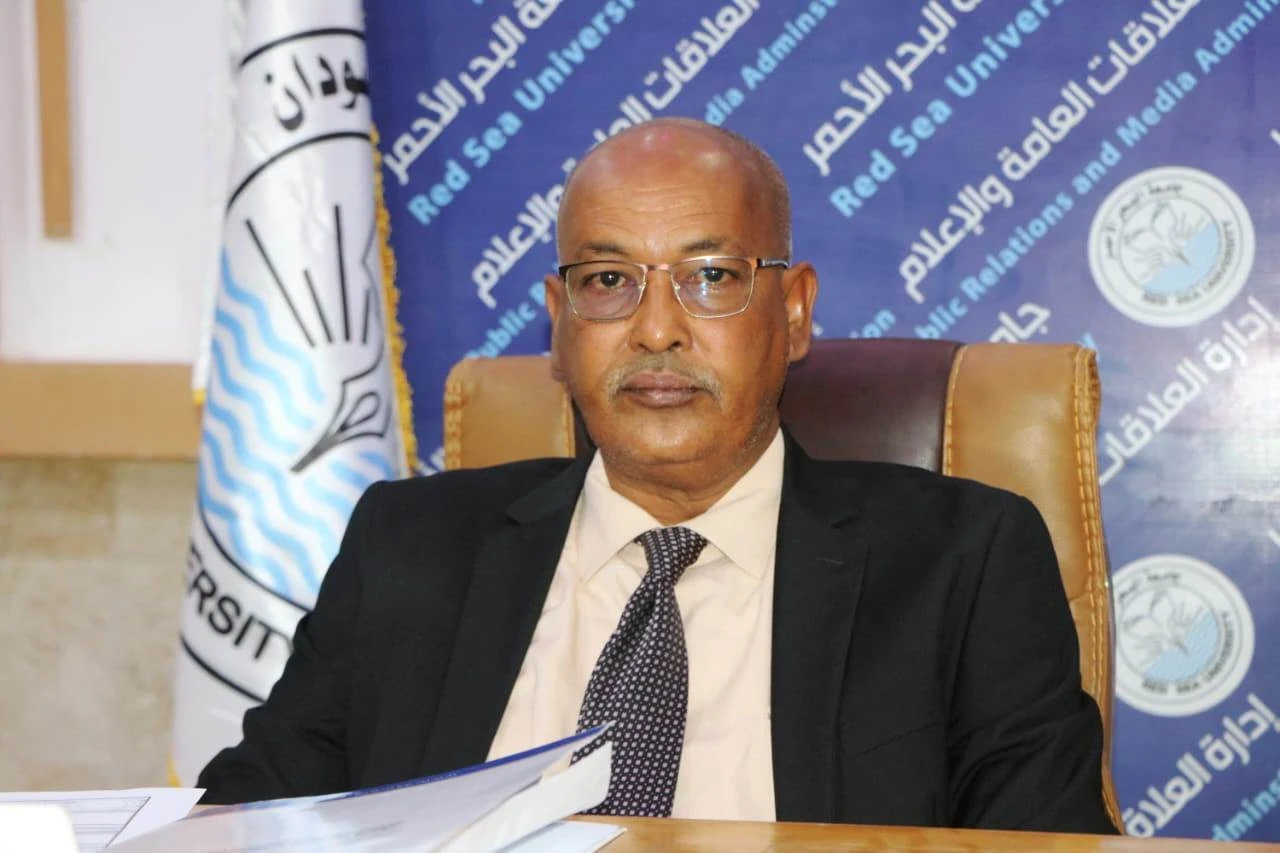
A public university based in Port Sudan, Sudan, Red Sea University was founded in 1994 and operates as a higher-education provider. Its institutional context places it within Sudan's wider academic ecosystem.
Academically, Red Sea University delivers teaching across bachelor's through doctoral programmes. Its institutional structure includes numerous faculties and schools and runs a catalogue of active programmes across multiple disciplines.
Red Sea University has 13,160 students active in its programmes. The student body operates within its campus environment, supported by teaching and administrative staff across faculties.
Location & Contact
Where to find Red Sea University, plus its phone, email, website, and social media links. Confirm the published channels here are current before sending application materials.
Academic Details
Key statistics on Red Sea University's student population, faculty size, and external recognition. International vs domestic student split is often missing from these figures but matters for campus culture.
Degrees
Also MBA
Master's 13 programs
Master's programmes develop advanced specialised expertise, suited to senior industry positions and applied research.
- Accountancy
- Business Administration
- Demography and Population
- Development Studies
- Economics
- English
- Environmental Engineering
- Environmental Studies
- Marine Transport
- Rural Studies
- Safety Engineering
- Statistics
- Transport Economics
Doctoral 11 programs
Doctoral programmes train independent researchers, leading to academic, scientific, and senior advisory careers.
- Accountancy
- Business Administration
- Demography and Population
- Development Studies
- Economics
- Environmental Studies
- Marine Transport
- Rural Studies
- Statistics
- Transport Economics
- Transport Management
Faculties & Divisions
Red Sea University's teaching divisions and their subject focus. Departmental ownership of programmes determines who handles admissions queries, scholarship questions, and timetable issues.
Graduate Studies and Scientific Research (Deanery) 14 subjects offered
Specialisations & Subjects
- Accountancy
- Business Administration
- Chemistry
- E-Business/Commerce
- Economics
- Education
- Engineering
- English
- Environmental Studies
- Law
- Literature
- Marine Transport
- Rural Planning
- Statistics
Agriculture (Faculty) 8 subjects offered
Specialisations & Subjects
- Agriculture
- Animal Husbandry
- Crop Production
- Food Science
- Food Technology
- Horticulture
- Soil Science
- Water Science
Common Career Paths
- Agricultural Scientist
- Agronomist
- Farm Manager
Illustrative career directions for this field; specific outcomes depend on programme and student choices.
Applied Sciences (Faculty) 8 subjects offered
Specialisations & Subjects
- Applied Physics
- Computer Science
- Environmental Studies
- Industrial Chemistry
- Information Technology
- Natural Resources
- Physics
- Statistics
Common Career Paths
- Research Scientist
- Lab Technician
- Analyst
Illustrative career directions for this field; specific outcomes depend on programme and student choices.
Arts (Faculty) 8 subjects offered
Specialisations & Subjects
- Arabic
- Arts and Humanities
- English
- French
- Geography (Human)
- History
- Islamic Studies
- Media Studies
Community Development (Faculty) 2 subjects offered
Specialisations & Subjects
- Development Studies
- Social and Community Services
Earth Sciences (Faculty) 7 subjects offered
Specialisations & Subjects
- Earth Sciences
- Economics
- Geological Engineering
- Geology
- Geophysics
- Mining Engineering
- Water Management
Common Career Paths
- Research Scientist
- Lab Technician
- Analyst
Illustrative career directions for this field; specific outcomes depend on programme and student choices.
Economics (Faculty) 9 subjects offered
Specialisations & Subjects
- Accountancy
- Business Administration
- Demography and Population
- Development Studies
- Economics
- Marine Transport
- Rural Studies
- Statistics
- Transport Economics
Common Career Paths
- Economist
- Policy Analyst
- Financial Consultant
Illustrative career directions for this field; specific outcomes depend on programme and student choices.
Education (Faculty) 18 subjects offered
Specialisations & Subjects
- Arabic
- Computer Science
- Curriculum
- Education
- Educational Psychology
- Educational Sciences
- Educational Technology
- English
- Foreign Languages Education
- Geography
- History
- Humanities and Social Science Education
- Islamic Studies
- Native Language Education
- Pedagogy
- Primary Education
- Science Education
- Sports
Common Career Paths
- Teacher
- Educational Administrator
- Curriculum Specialist
Illustrative career directions for this field; specific outcomes depend on programme and student choices.
Education Gabeet (Faculty) 7 subjects offered
Specialisations & Subjects
- Arabic
- Education
- English
- Foreign Languages Education
- Islamic Studies
- Mathematics Education
- Native Language Education
Common Career Paths
- Teacher
- Educational Administrator
- Curriculum Specialist
Illustrative career directions for this field; specific outcomes depend on programme and student choices.
Engineering (Faculty) 5 subjects offered
Specialisations & Subjects
- Civil Engineering
- Electrical Engineering
- Electronic Engineering
- Engineering
- Mechanical Engineering
Common Career Paths
- Engineer
- Project Manager
- Technical Consultant
Illustrative career directions for this field; specific outcomes depend on programme and student choices.
Medicine (Faculty) 10 subjects offered
Specialisations & Subjects
- Anatomy
- Biochemistry
- Biological and Life Sciences
- Health Sciences
- Medicine
- Microbiology
- Pathology
- Pharmacology
- Physiology
- Surgery
Common Career Paths
- Physician
- Medical Researcher
- Clinical Specialist
Illustrative career directions for this field; specific outcomes depend on programme and student choices.
Oceanography and Fisheries (Faculty) 5 subjects offered
Specialisations & Subjects
- Coastal Studies
- Fishery
- Marine Biology
- Marine Science and Oceanography
- Natural Sciences
Technical Studies and Development (Faculty) 18 subjects offered
Specialisations & Subjects
- Accountancy
- Banking
- Civil Engineering
- Computer Science
- Demography and Population
- Development Studies
- Economics
- Engineering
- Information Technology
- Laboratory Techniques
- Management
- Power Engineering
- Preschool Education
- Rural Studies
- Statistics
- Telecommunications Engineering
- Transport Economics
- Women's Studies
Marine Research Institute (Research Division) Faculty details available
Specialisations & Subjects
No specified subjects listed.
Programs Offered
Red Sea University's programme finder filters by name across all degree levels. Departmental admissions criteria sometimes differ from institutional minimums — verify against the programme page before relying on either.
62 programmes on record. Each level below shows a sample. Compare these on the programs page All programs in Sudan
Bachelor's Degree 62 programmes
Showing 10 of 62.
How to apply to Red Sea University
Step-by-step guidance for applying to Red Sea University, covering the typical sequence from programme selection to admissions follow-up.
-
1
Browse the programme catalogue
Red Sea University's catalogue includes 62 programmes. Browse by level, identify candidates matching your prior qualifications, and note their entry requirements for the next step.
-
2
Check eligibility for your chosen programme
Entry requirements vary by programme and degree level. Verify academic minimums, language tests (if international), and any additional documents required for Red Sea University's admissions process.
-
3
Get your documents ready
Typical documents include academic transcripts, identity proof (passport or national ID), language proficiency test scores, a personal statement or motivation letter, and recommendation letters. International applicants should account for translation and notarisation time.
-
4
Apply through the official channel
Submit your completed application through Red Sea University's official website at rsu.edu.sd. Most institutions use an online portal — register an account, complete the application form, and upload your prepared documents. Keep copies of all submissions and confirmation receipts.
-
5
Reach out and track your application
Follow up to confirm your application was received and is being processed. Admissions teams may request interviews or additional documents — respond promptly to keep your application active.
Frequently Asked Questions about Red Sea University
Common questions students ask about Red Sea University — answers pulled straight from the institution's published profile.
In what year was Red Sea University established?
Red Sea University was founded in 1994 (approximately 32 years ago).
Where is Red Sea University located?
Red Sea University is located in Port Sudan, Sudan.
Is Red Sea University a public or private institution?
Red Sea University is a public institution.
What is the student enrolment at Red Sea University?
Student enrolment at Red Sea University is around 13,160.
What programmes are available at Red Sea University?
Red Sea University offers bachelor's, master's and doctoral programmes.
Who recognises Red Sea University?
The institution holds recognition from Ministry of Higher Education and Scientific Research.
Where can I learn more about Red Sea University?
Red Sea University's official website is rsu.edu.sd.
Top-Ranked Universities in Sudan
Industry partnerships of Sudan's top universities signal employer engagement at the apex of the system. Lower-ranked institutions including Red Sea University may still partner with strong employers locally.



Where Else to Study Chemistry
Capstone publication or portfolio output from Chemistry programmes affects what you graduate with. Some Sudan institutions retain student work; others publish it as part of programme outputs.
Universities Compared with Red Sea University
Selectivity rates (acceptance percentage) cluster around Red Sea University for the peer institutions below. Selectivity is one of the more stable signals of institutional positioning over time.


Studying in Sudan: guides and resources





Spotted something outdated or missing?
Help us keep this page accurate — it takes about 30 seconds.