
Virginia Commonwealth University
Richmond, United States • Founded 1838 • World Rank #350
Updated Jun 2026
Overview
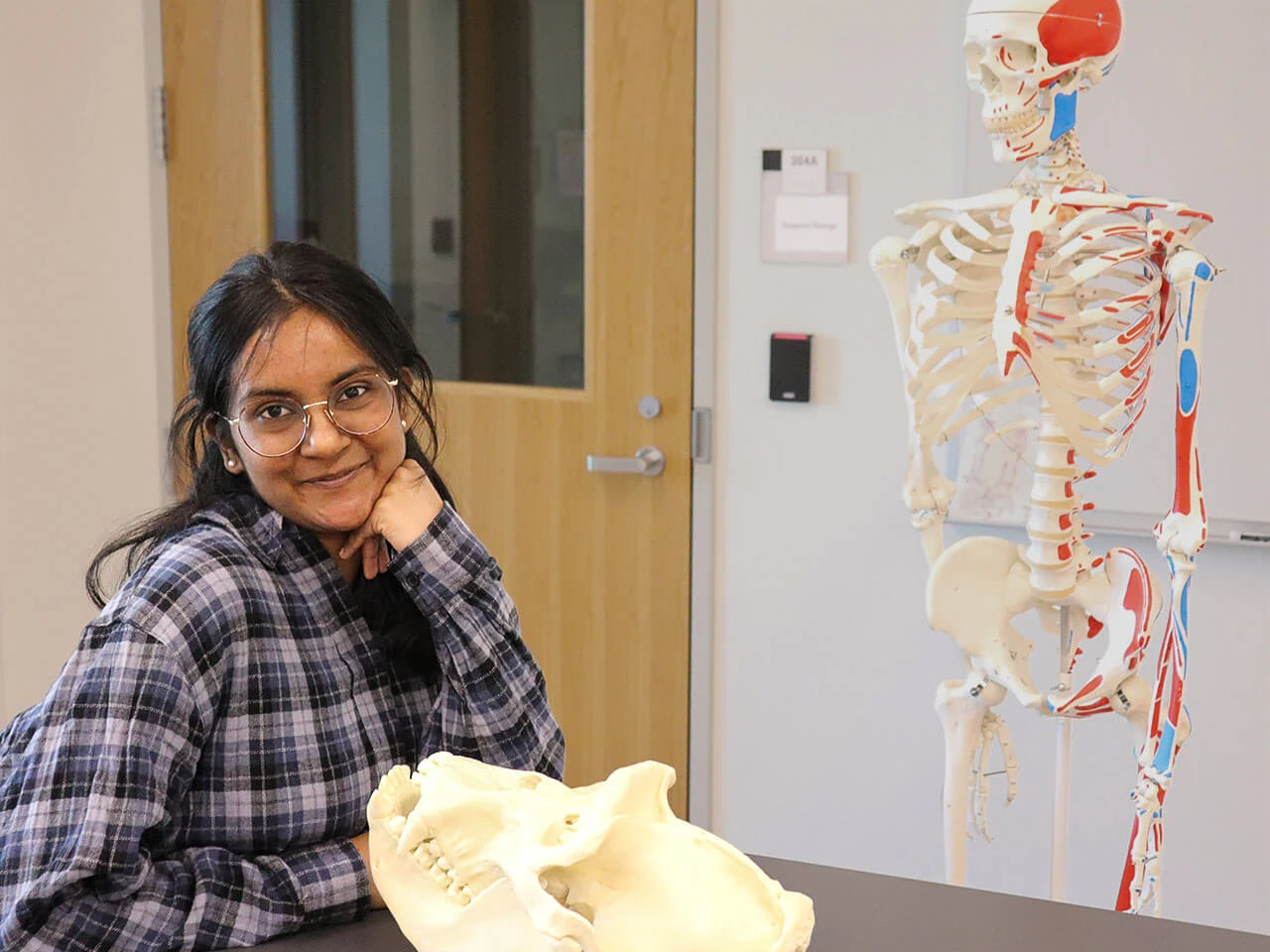

Established in 1838, the Virginia Commonwealth University is a non-profit public higher education institution located in the urban setting of the small city of Richmond (population range of 50,000-249,999 inhabitants), Virginia.
Officially accredited by the Southern Association of Colleges and Schools Commission on Colleges, Virginia Commonwealth University (VCU) is a large-sized coeducational US higher education institution. Virginia Commonwealth University (VCU) offers courses and programs leading to officially recognized higher education degrees such as pre-bachelor's degrees (i.e. certificates, diplomas, associate or foundation), bachelor's degrees, master's degrees and doctorate degrees in several areas of study.
This 186-year-old US higher-education institution has a selective admission policy based on entrance examinations and students' past academic records and grades. The acceptance rate range is 90-99% making this US higher education organization a least selective institution.
International applicants are eligible to apply for enrollment.
VCU also provides several academic and non-academic facilities and services to students including a library, housing, sports facilities, financial aids and/or scholarships, study abroad and exchange programs, online courses and distance learning opportunities, as well as administrative services.
Location & Contact
The geographic and contact details below cover where Virginia Commonwealth University is and how to reach its administrative offices. Campus emergency contact is typically distinct from general inquiries.
Academic Details
Virginia Commonwealth University's institutional metrics — useful for sizing it against other shortlisted universities. The proportion of academic staff with doctorates correlates with research output and graduate-school admissions.
Academic Structures
Each constituent academic unit at Virginia Commonwealth University is captured below — including research centres alongside teaching faculties. Research centres often signal the institution's strategic priorities.
Unit 14 items
- College of Engineering
- College of Health Professions
- College of Humanities and Sciences
- Honors College
- L. Douglas Wilder School of Government and Public Affairs
- School of Business
- School of Dentistry
- School of Education
- School of Medicine
- School of Nursing
- School of Pharmacy
- School of Social Work
- School of the Arts
- VCU Life Sciences
Programs Offered
All active programmes at Virginia Commonwealth University are listed by degree level. Cross-reference against the divisions section to identify which faculty owns each programme — that determines admissions handling.
214 programmes on record. Each level below shows a sample. Compare these on the programs page All programs in United States
Bachelor's Degree 58 programmes
Showing 10 of 58.
Master's Degree 63 programmes
Showing 10 of 63.
Doctorate 37 programmes
Showing 10 of 37.
Professional Doctorate 3 programmes
Certificate 8 programmes
Postgraduate Certificate 45 programmes
Showing 10 of 45.
How to apply to Virginia Commonwealth University
Five steps that capture how most applications to Virginia Commonwealth University flow, from research through submission to follow-up correspondence.
-
1
Research programmes at Virginia Commonwealth University
Virginia Commonwealth University's catalogue includes 214 programmes. Browse by level, identify candidates matching your prior qualifications, and note their entry requirements for the next step.
-
2
Review admissions criteria
Entry requirements vary by programme and degree level. Verify academic minimums, language tests (if international), and any additional documents required for Virginia Commonwealth University's admissions process.
-
3
Gather supporting documents
Typical documents include academic transcripts, identity proof (passport or national ID), language proficiency test scores, a personal statement or motivation letter, and recommendation letters. International applicants should account for translation and notarisation time.
-
4
Lodge your application
Submit your completed application through Virginia Commonwealth University's official website at www.vcu.edu. Most institutions use an online portal — register an account, complete the application form, and upload your prepared documents. Keep copies of all submissions and confirmation receipts.
-
5
Confirm receipt and track progress
Follow up to confirm your application was received and is being processed. Reach the institution by phone at +1 (804) 828 0100. Admissions teams may request interviews or additional documents — respond promptly to keep your application active.
Frequently Asked Questions about Virginia Commonwealth University
A short Q&A covering Virginia Commonwealth University's essentials — founding, location, scale, ranking, and academic structure.
When was Virginia Commonwealth University founded?
Virginia Commonwealth University was established in 1838 (approximately 188 years ago).
What city is Virginia Commonwealth University in?
Virginia Commonwealth University operates from Richmond, United States.
What is Virginia Commonwealth University's control type?
Virginia Commonwealth University operates as a public institution.
How big is Virginia Commonwealth University's student body?
Virginia Commonwealth University serves approximately 25,000-29,999 students.
How is Virginia Commonwealth University ranked?
It ranks #350 globally and #79 in United States.
How is Virginia Commonwealth University organised academically?
Virginia Commonwealth University is organised into 14 academic units across its disciplines.
Who recognises Virginia Commonwealth University?
Virginia Commonwealth University is accredited by Southern Association of Colleges and Schools Commission on Colleges.
How do I find Virginia Commonwealth University online?
You can find Virginia Commonwealth University online at www.vcu.edu.
Top-Ranked Universities in the United States
When shortlisting in the United States, students often start with the top-ranked institutions. Below are the national leaders worth comparing against Virginia Commonwealth University, helpful for calibrating where Virginia Commonwealth University sits in the broader landscape.



Members of National Collegiate Athletic Association (NCAA)
Membership renewal cycles for National Collegiate Athletic Association (NCAA) create periodic quality reviews. Recent renewals or admissions to the network signal currency of standards — older memberships may need re-examination.




Faculties at nearby universities
Beyond Virginia Commonwealth University, the surrounding area hosts several universities with overlapping research strengths and faculty mixes. They are worth comparing if location flexibility matters to your decision and you want to keep options open within the same region.




Where Else to Study Biological Sciences
Programme-level scholarships for Biological Sciences students vary substantially across the United States institutions. Often the less-marketed scholarships are the easiest to secure for qualified applicants.




Universities Compared with Virginia Commonwealth University
Selectivity rates (acceptance percentage) cluster around Virginia Commonwealth University for the peer institutions below. Selectivity is one of the more stable signals of institutional positioning over time.




Studying in United States: guides and resources





Spotted something outdated or missing?
Help us keep this page accurate — it takes about 30 seconds.