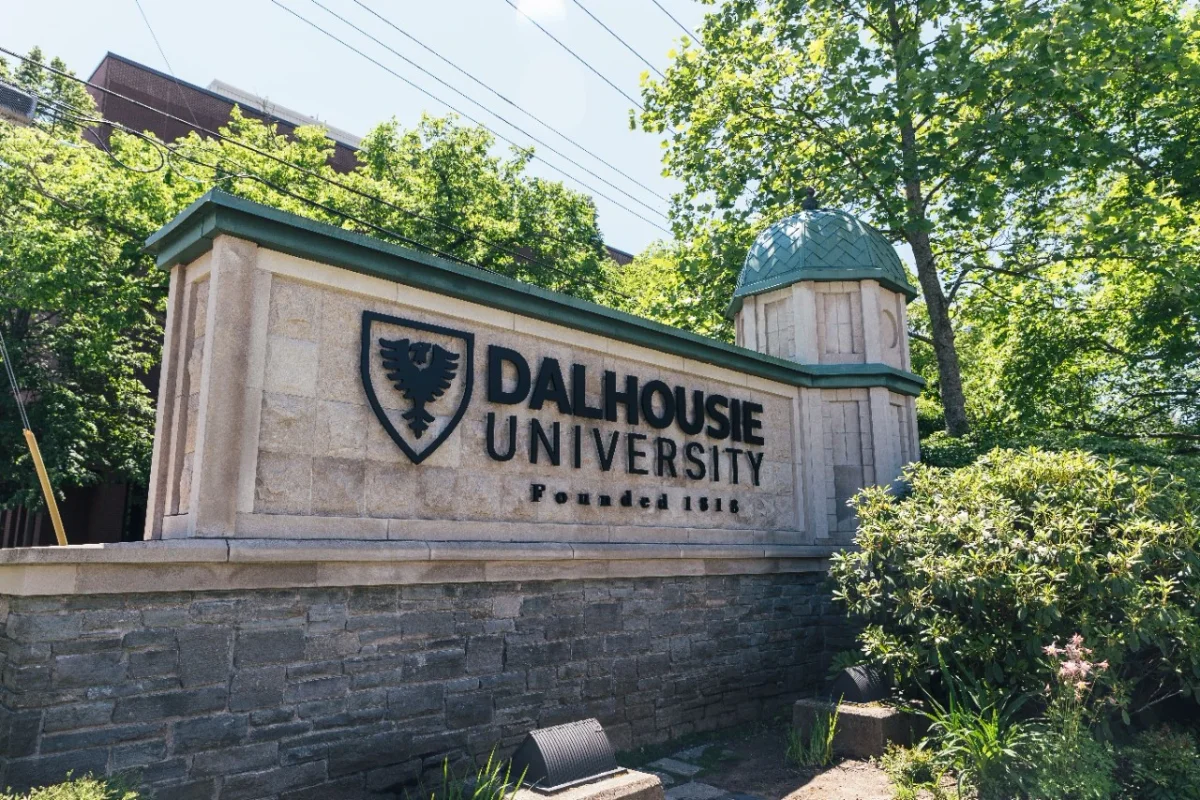
Dalhousie University offers Chemical Engineering (PhD), a doctorate in Chemistry programme in Halifax, Canada. The programme runs for 5 years, delivered on campus. Tuition for international students is CAD 7,338 per year (CAD 7,338 per year for local students).
At a glance
Degree:Doctorate
Field:Chemistry
Duration: 5 years
Delivery: On Campus
Local tuition: CAD 7,338 / year
International tuition: CAD 7,338 / year
We have no an application deadline on record for this programme yet — see the official programme page.
— it helps other students.
Chemical Engineering (PhD) is a research-focused doctoral program in Dalhousie University's Department of Process Engineering and Applied Science. Students conduct independent and original research under faculty supervision, culminating in a doctoral thesis, with research areas spanning environmental control, plastics and polymers, pulp and paper processing, instrumentation and process control, petrochemicals, petroleum and natural gas processing, and energy conversion, along with growing areas such as biotechnology, food processing, composite materials, corrosion and protective coatings, and microelectronics manufacturing. The program combines advanced coursework, comprehensive requirements, and supervised thesis research, with full-time completion normally taking five years or longer. Instruction is delivered in person at the Halifax campus on a full-time basis. Applicants typically identify a research focus and a prospective supervisor within the department before applying. Graduates pursue careers in academic research, industrial process engineering, and specialized technical roles across energy, materials, and manufacturing sectors.
Requirements
Admission Requirements: Applicants must meet Dalhousie's Faculty of Graduate Studies minimum admission requirements together with the Department of Process Engineering and Applied Science's own program-specific requirements; the program overview does not publish a numeric minimum grade average, required degree discipline, or standardized test score. Applicants are expected to hold an engineering or applied-science background appropriate to the department's research areas and to identify a prospective supervisor before applying. International applicants must also satisfy Dalhousie's graduate English-language proficiency requirements: IELTS Academic 7.0 overall, TOEFL iBT 92 (or 4.5 overall on the 1-6 scale for tests taken on or after January 21, 2026), CAEL 70 with no band below 60, or Pearson PTE Academic 65 with no skill below 54.