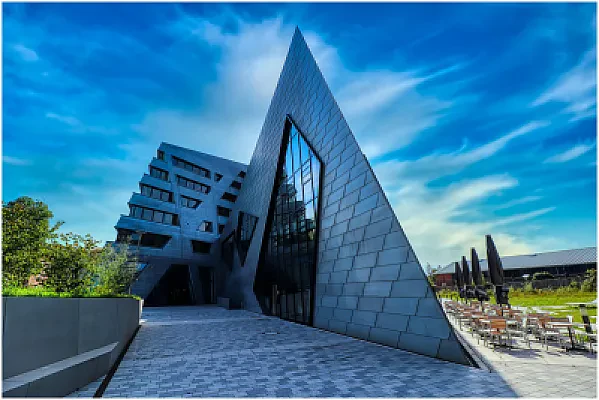
The Computer Science programme studies the theory of information processing and the principles behind computer architecture. Students then apply this knowledge to programming and to the design of practical systems. Hands-on experiments and practical exercises support the lectures, so learners work with both hardware and software, along with media engineering and control technology.
Specialised topics include next-generation computers, three-dimensional video technology, reliable information communication, multimedia society, and artificial intelligence. Research laboratories cover computer systems, computer software, knowledge information processing, image engineering, visual media, applied mathematics, and automatic control, and a laboratory guide describes each group.
Graduates enter computer and communication companies, information services, general firms, research bodies, and public organisations. Typical roles include systems engineer, software engineer, network engineer, technical writer, and teacher. Students who wish to continue can progress to master's and doctoral courses in the graduate school.