BA/BS in Biology
Ikot Ekpene, Akwa Ibom, Nigeria
Official program page (opens in a new tab)
BA/BS in Biology is a bachelor's degree in Biological Sciences programme offered by Ritman University in Ikot Ekpene, Nigeria. Teaching is in en.
At a glance
We have no tuition fees or an application deadline on record for this programme yet — see the official programme page. — it helps other students.
Last checked November 2026 · Source: ritmanuniversity.edu.ng ·
Program details
Overview
Requirements
| Type | Test | Min / Max | Status | Notes |
|---|---|---|---|---|
| Other | — | 5.00 O'Level credits | Required | Five credit passes in WAEC, NECO or GCE at not more than two sittings, including English and Mathematics. UTME applicants must also meet the JAMB cut-off for their course and pass the university's screening. |
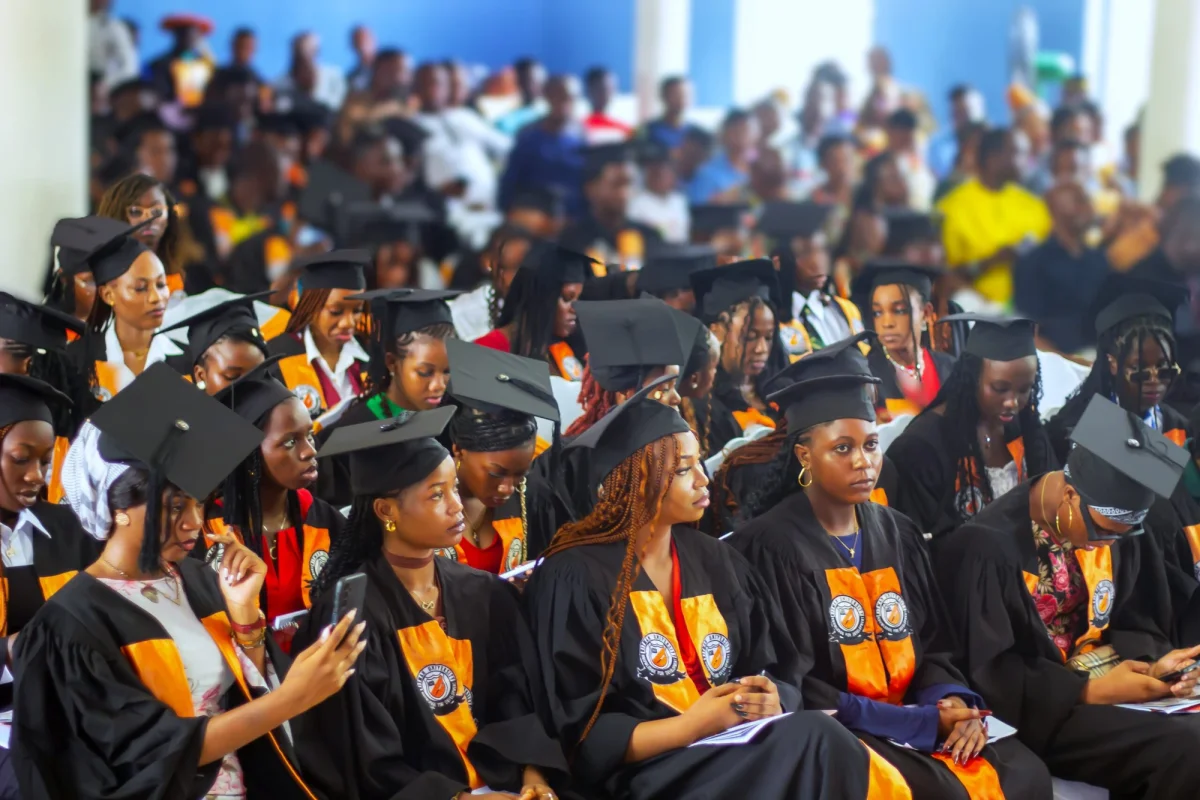
About Ritman University

View the full Ritman University profile
Similar programs in Nigeria
More programs at Ritman University
Other universities in Nigeria


Scholarships in Nigeria
- Ritman University Postgraduate Scholarship Program
Frequently asked questions
Ritman University awards a Bachelor's Degree in the field of Biological Sciences on completion of this programme.
The programme is taught in en.
Studying in Nigeria: guides and resources






Spotted something outdated or missing?
Help us keep this page accurate — it takes about 30 seconds.
Save this program and never miss its deadline
Save universities and programs, follow countries, and get deadline reminders by email. Free, takes a few seconds.