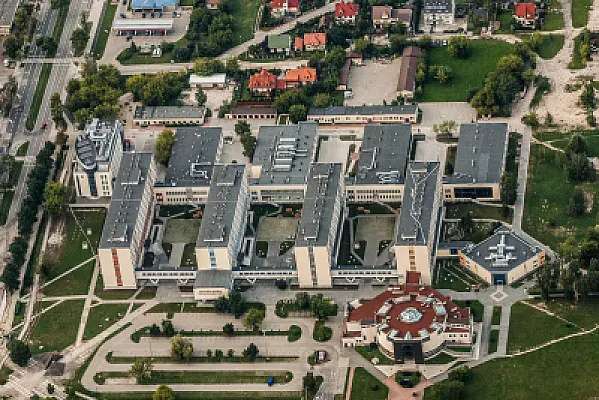
BA/BS in Psychology, General
Milwaukee, Wisconsin, United States
Official program page (opens in a new tab)
BA/BS in Psychology, General at Alverno College in Milwaukee, United States is a bachelor's degree in Psychology programme.
At a glance
Degree: Bachelor's Degree
Field: Psychology
We have no tuition fees or an application deadline on record for this programme yet — see the official programme page. — it helps other students.
Last checked October 2026 · Source: alverno.edu ·
Program details
Overview
Psychology majors study life span development, abnormal psychology, research methods, experimental psychology and statistics, and can choose electives in areas such as neuroscience, forensic psychology and forgiveness. The degree is flexible and leads to community health, organizational consulting, research or clinical practice, and it provides a base for graduate study.
Classes are small and supported by faculty mentors and close peer relationships. Each student completes an internship, and some complete two depending on their course choices, applying their learning in a professional setting.
The program draws on the college's ability-based learning approach and social-justice-centered values to build ethical judgment and adaptability.
Because the degree is broad, students can tailor electives toward counseling, research or organizational work, and faculty advisors help them match coursework to career goals and graduate school plans.
Requirements
About Alverno College
“In Sanctitate et Doctrina”
Type: College
Control: Private
Campus setting: Urban
Founded: 1887
Students: 631
Programs: 74
Location: Milwaukee, Wisconsin, United States


/ 2
View the full Alverno College profile
Similar programs in United States




More programs at Alverno College
Other universities in United States

Medical College of Wisconsin

University of Wisconsin-Milwaukee

Marquette University
EM
Empire Beauty School-Milwaukee

Milwaukee Area Technical College
MI
Milwaukee Career College
Scholarships in United States
- Alverno Girls' Academy of Science and Math Scholarship — USD 2,000
- Eleanor Roosevelt Scholarship
- First@Alverno First-Generation Scholarship
- Futures III in Science and Mathematics Scholarship — USD 15,000
- Legacy Scholarship — USD 1,000
Studying in United States: guides and resources

Education Planning
Full-Time Versus Part-Time Student Status and Why It Matters

US Financial Aid & Scholarships
Why Accreditation Affects Financial Aid, Transfer Credit, and Licensure

US College Admissions
Regular Decision and Rolling Admission Deadlines Explained

US College Admissions
Holistic Admissions Review After the End of Affirmative Action

Education Planning
How to Choose a College Major When You Are Undecided

US College Admissions
Deferred Admission: What It Means and How to Respond
Spotted something outdated or missing?
Help us keep this page accurate — it takes about 30 seconds.