Ecole Boulle
Paris, France • Founded 1886
Updated May 2026
Overview
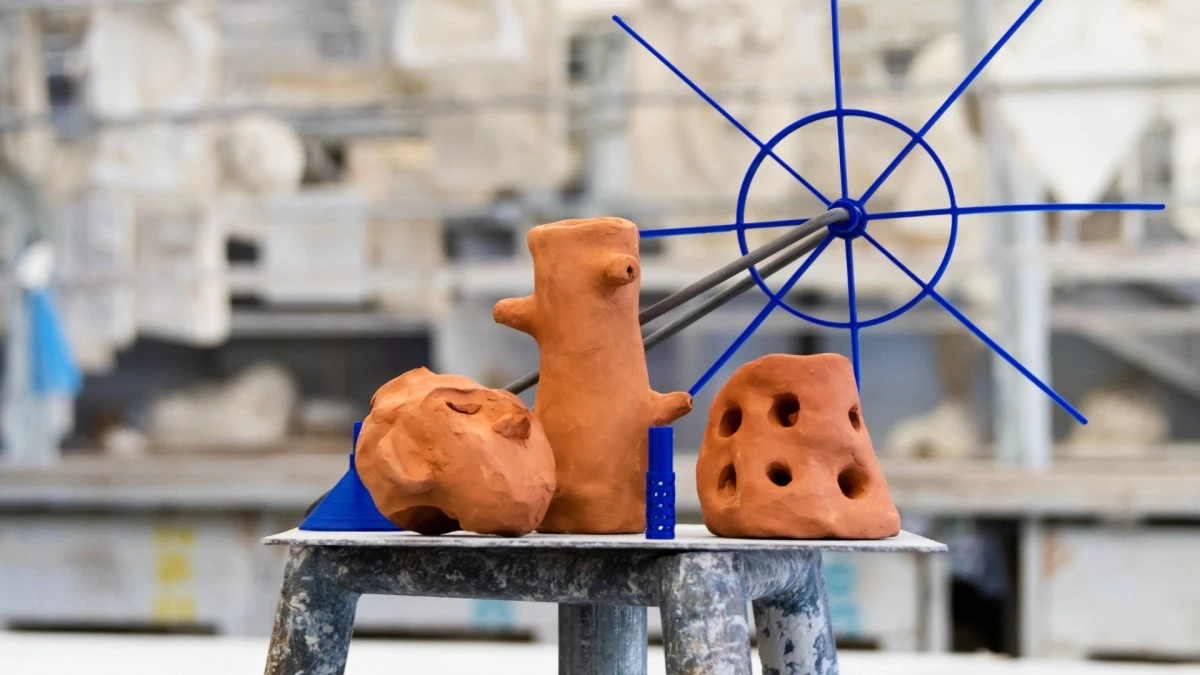
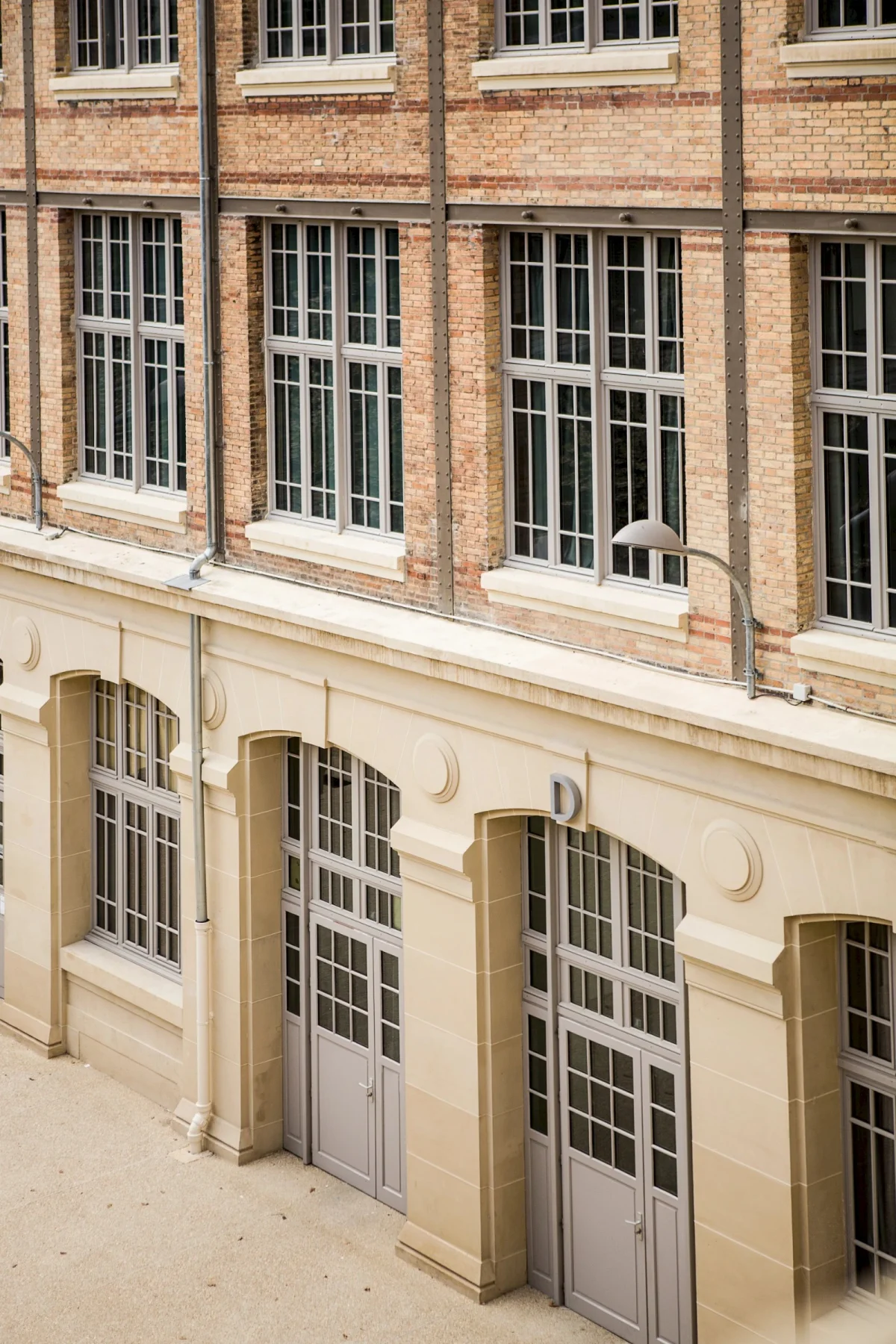
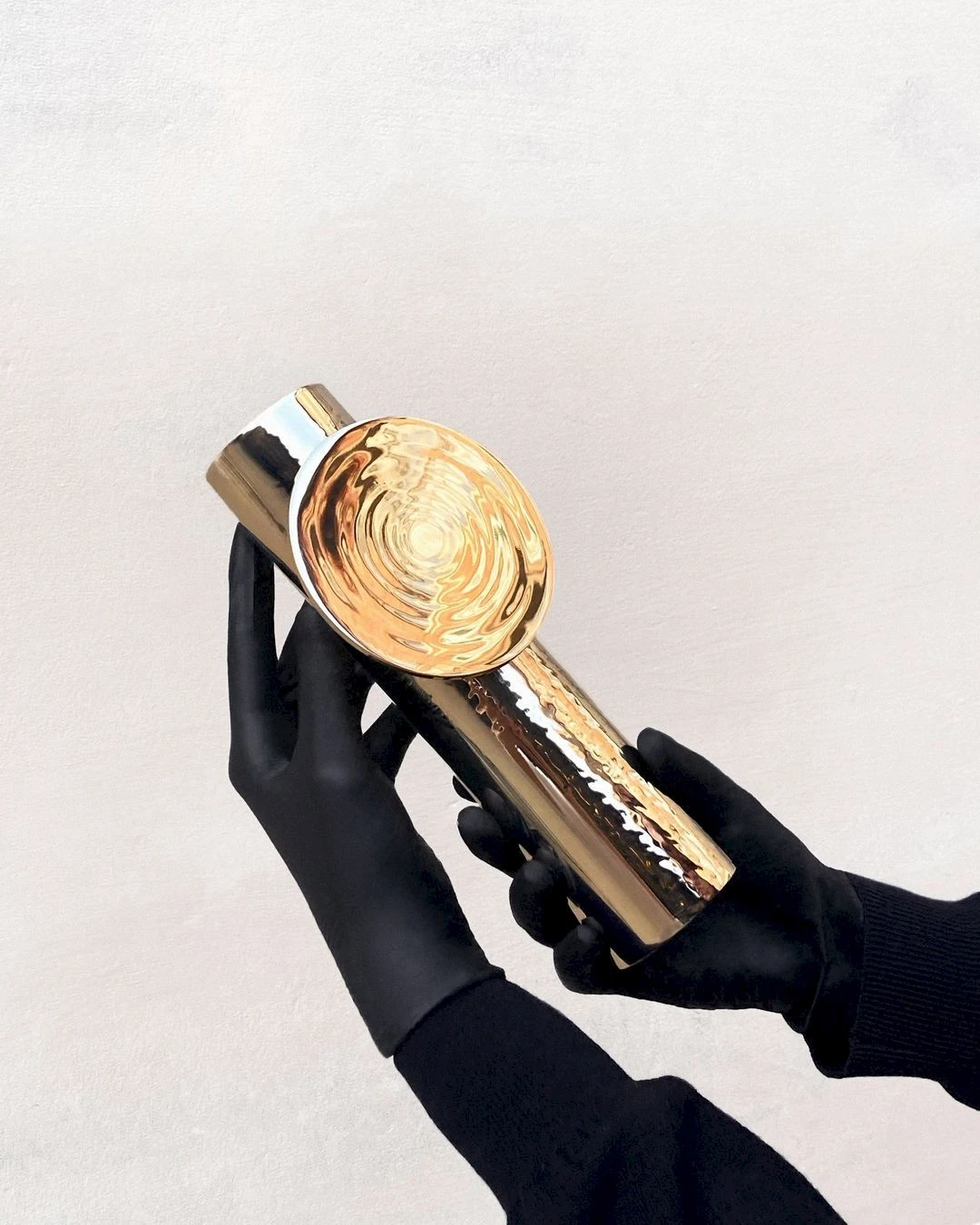
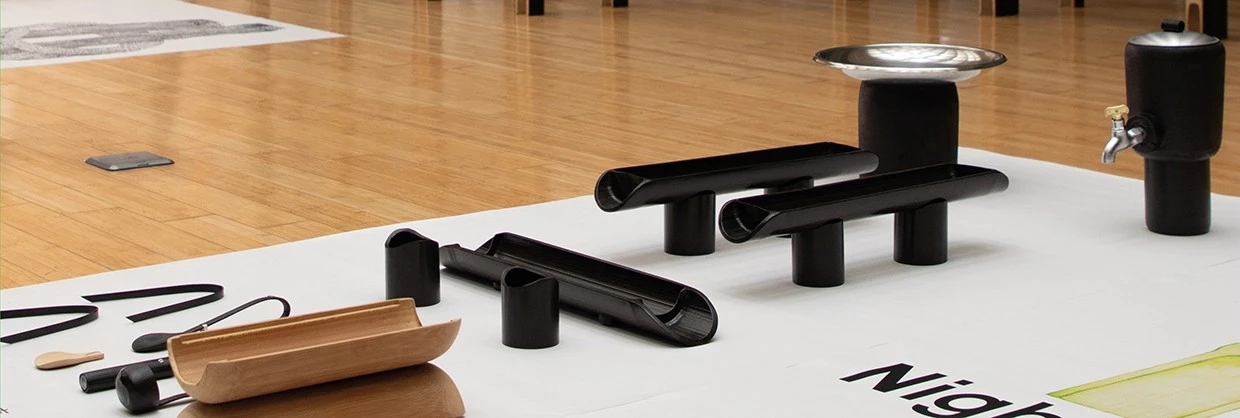
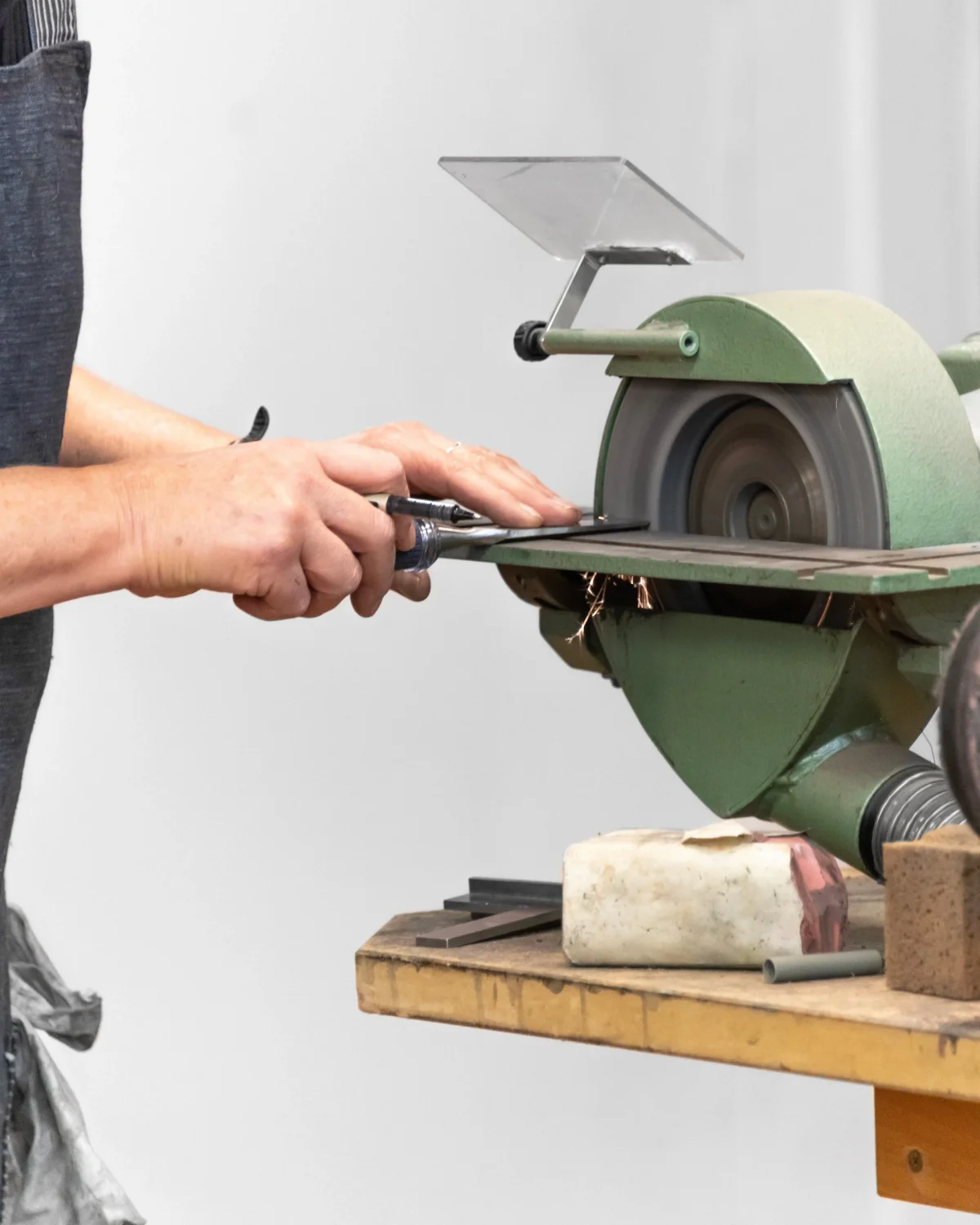
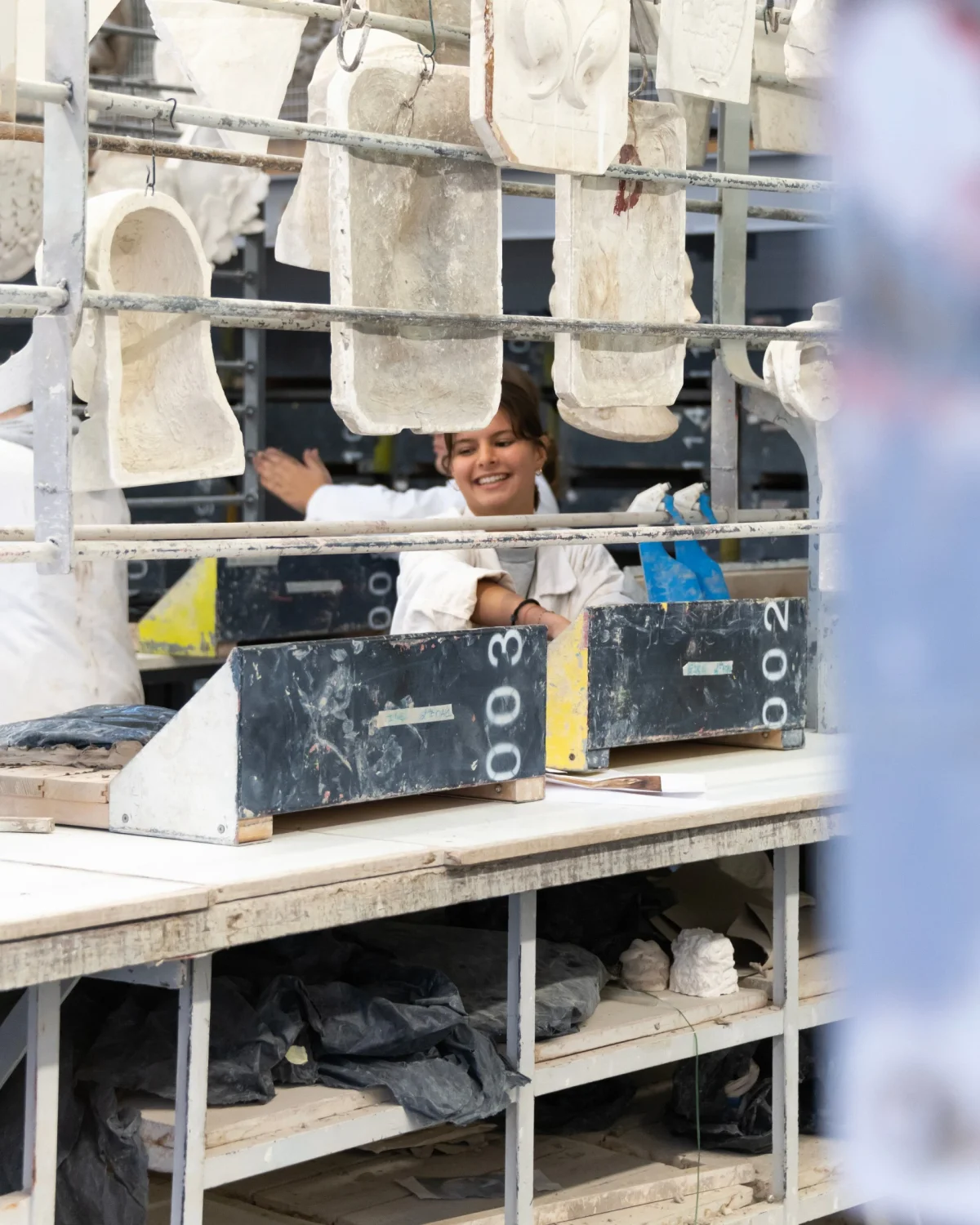
Ecole Boulle, a public institution based in Paris, France, operates as a higher-education provider contributing to higher-education provision in France.
Academically, Ecole Boulle delivers teaching across multiple qualification levels. Its institutional structure includes several faculties and runs a catalogue of active programmes across multiple disciplines.
Location & Contact
Below are Ecole Boulle's address, location data, and primary contact channels. These are the basics you'll want before scheduling a campus visit or sending a formal admissions enquiry.
Academic Details
The basic academic profile of Ecole Boulle, including enrolment and faculty composition. Total student count fluctuates intake-to-intake; treat the figure as approximate rather than precise.
Degrees
Ecole Boulle offers degrees across multiple levels. Full-time, part-time, and sandwich (with placement year) modes change total time commitment and total cost meaningfully.
Other 4 programs
- Design
- Fine Arts
- Handicrafts
- Sculpture
Faculties & Divisions
Ecole Boulle's academic divisions and the subject areas each houses are mapped below. Knowing where your subject lives helps navigate department websites and identify the right contact points.
Design (Course/Programme) 1 subject offered
Specialisations & Subjects
- Design
Common Career Paths
- Designer
- Creative Director
- UX Researcher
Illustrative career directions for this field; specific outcomes depend on programme and student choices.
Fine Arts (Course/Programme) 2 subjects offered
Specialisations & Subjects
- Fine Arts
- Jewellery Art
Common Career Paths
- Artist
- Curator
- Art Educator
Illustrative career directions for this field; specific outcomes depend on programme and student choices.
Programs Offered
The programmes you can apply for at Ecole Boulle are grouped by degree level. Programme-level accreditation (separate from institutional) matters for regulated professions like law, medicine, and engineering.
21 programmes on record. Each level below shows a sample. Compare these on the programs page All programs in France
Bachelor's Degree 18 programmes
Showing 10 of 18.
Master's Degree 3 programmes
How to apply to Ecole Boulle
A practical five-step guide to applying to Ecole Boulle, from programme research through submission and follow-up.
-
1
Find a programme that fits your goals
Ecole Boulle's catalogue includes 21 programmes. Browse by level, identify candidates matching your prior qualifications, and note their entry requirements for the next step.
-
2
Confirm you meet the requirements
Entry requirements vary by programme and degree level. Verify academic minimums, language tests (if international), and any additional documents required for Ecole Boulle's admissions process.
-
3
Assemble your application package
Typical documents include academic transcripts, identity proof (passport or national ID), language proficiency test scores, a personal statement or motivation letter, and recommendation letters. International applicants should account for translation and notarisation time.
-
4
Submit your application
Submit your completed application through Ecole Boulle's official website at ecole-boulle.org. Most institutions use an online portal — register an account, complete the application form, and upload your prepared documents. Keep copies of all submissions and confirmation receipts.
-
5
Contact admissions and follow up
Follow up to confirm your application was received and is being processed. Admissions teams may request interviews or additional documents — respond promptly to keep your application active.
Frequently Asked Questions about Ecole Boulle
The questions below summarise Ecole Boulle's vital institutional details — useful as a quick reference before drilling into specific sections.
In what year was Ecole Boulle established?
Ecole Boulle was founded in 1886 (approximately 140 years ago).
Where can I find Ecole Boulle?
The institution is located in Paris, France.
Is Ecole Boulle a public or private institution?
Ecole Boulle operates as a public institution.
Who recognises Ecole Boulle?
The institution holds recognition from Ministry of Higher Education, Research and Innovation; Ministry of Culture Education, Research and Innovation.
What is Ecole Boulle's official website?
The institution's website is ecole-boulle.org.
Top-Ranked Universities in France
Looking for the strongest names in France? These are the highest-ranked institutions nationally — useful context for benchmarking Ecole Boulle against the country's most established universities. National benchmarks also signal the upper bound of academic prestige in France.



Faculties at nearby universities
Regional language considerations matter when comparing universities near Ecole Boulle. Bilingual or minority-language regions may shape teaching, signage, and daily life consistently across the cluster.


Where Else to Study Applied Design
Practicum and placement requirements vary widely across Applied Design programmes in France. Compulsory placements affect total time commitment but typically improve post-graduation employment outcomes.



Universities Compared with Ecole Boulle
Peer cohort post-graduation outcomes — employment rates, graduate-school placement, salary data — often track closely across institutions at Ecole Boulle's level. Comparable cohorts tend to land in comparable places.


Studying in France: guides and resources



Spotted something outdated or missing?
Help us keep this page accurate — it takes about 30 seconds.