Universitas Diponegoro
Semarang, Indonesia • Founded 1957 • World Rank #1067
Updated May 2026
Overview
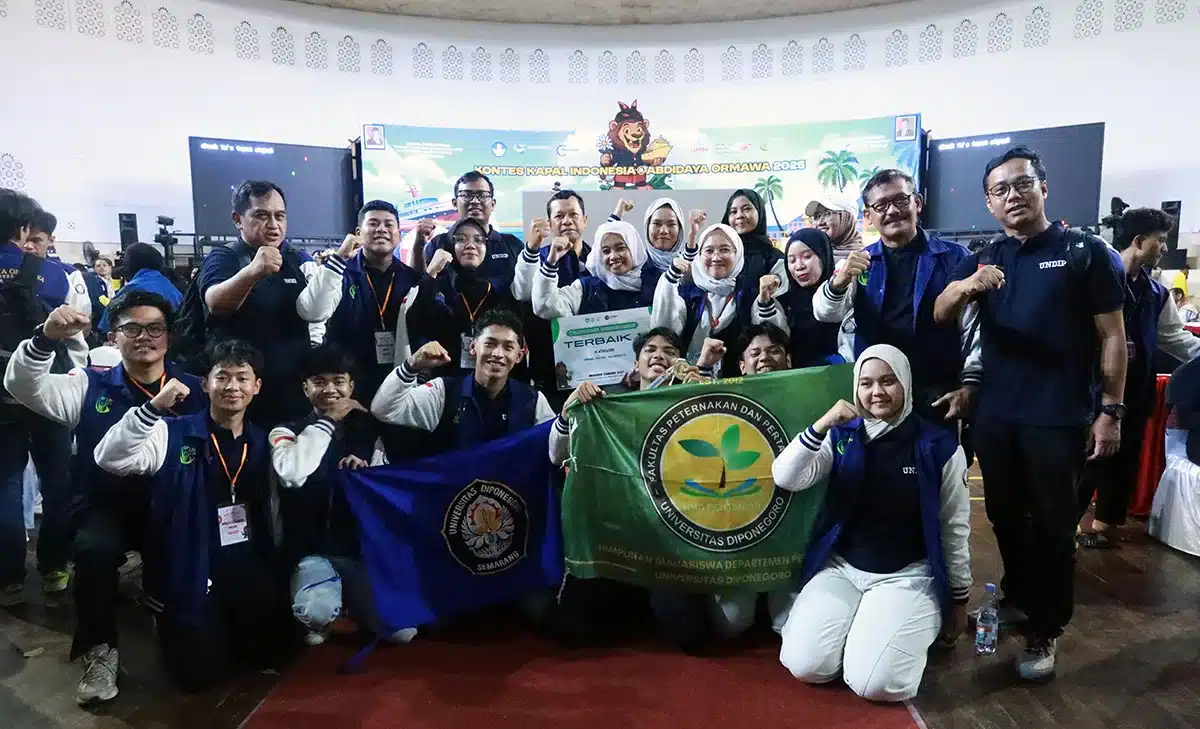
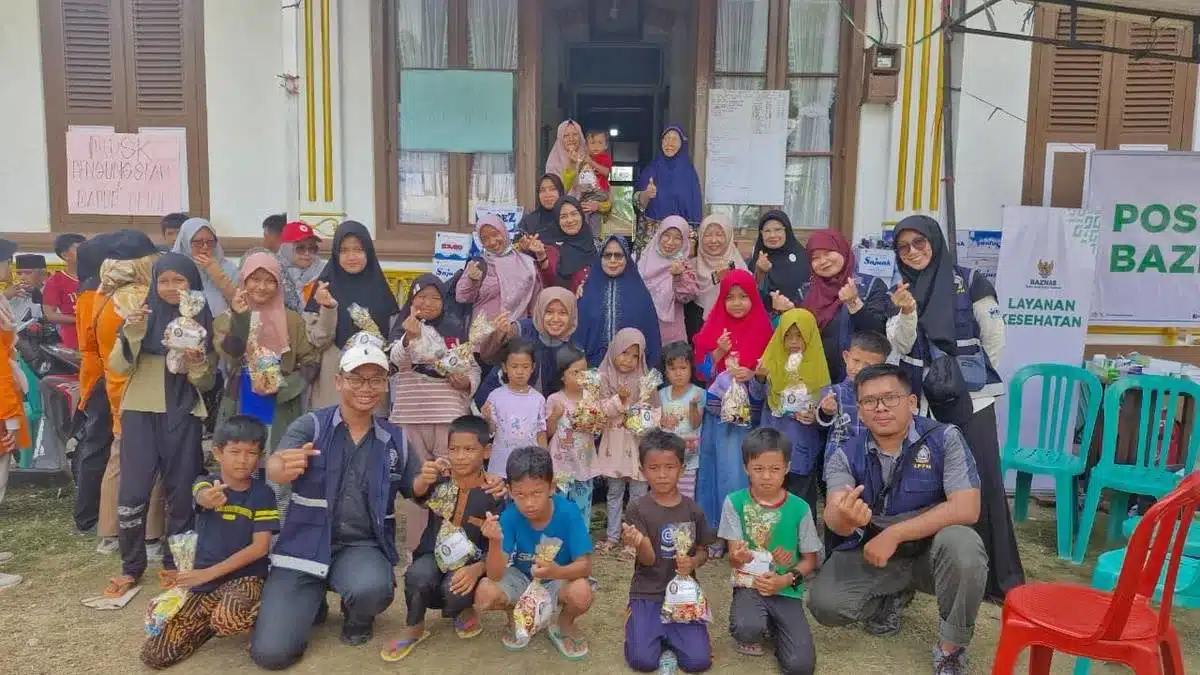

Established in 1957, the Universitas Diponegoro (Diponegoro University) is a non-profit public higher education institution located in the rural setting of the metropolis of Semarang (population range of 1,000,000-5,000,000 inhabitants), Central Java.
This institution also has a branch campus in Jepara. Officially recognized by the Kementerian Pendidikan, Kebudayaan, Riset, dan Teknologi, Republik Indonesia (Ministry of Education, Culture, Research and Technology, Republic of Indonesia), Universitas Diponegoro (Undip) is a very large-sized coeducational Indonesian higher education institution.
Universitas Diponegoro (Undip) offers courses and programs leading to officially recognized higher education degrees such as pre-bachelor's degrees (i.e. certificates, diplomas, associate or foundation), bachelor's degrees, master's degrees and doctorate degrees in several areas of study. This 66-year-old Indonesian higher-education institution has a selective admission policy based on entrance examinations and students' past academic records and grades.
The acceptance rate range is 0-9% making this Indonesian higher education organization an extremely selective institution.
International applicants are eligible to apply for enrollment. Undip also provides several academic and non-academic facilities and services to students including a library, housing, sports facilities, financial aids and/or scholarships, study abroad and exchange programs, as well as administrative services.
Location & Contact
Universitas Diponegoro's coordinates, postal address, and the contact channels admissions teams respond on. Campus tour bookings often have their own page distinct from general contact channels.
Academic Details
The basic academic profile of Universitas Diponegoro, including enrolment and faculty composition. Total student count fluctuates intake-to-intake; treat the figure as approximate rather than precise.
Academic Structures
Each constituent academic unit at Universitas Diponegoro is captured below — including research centres alongside teaching faculties. Research centres often signal the institution's strategic priorities.
Unit 13 items
- Faculty of Animal Agriculture
- Faculty of Economics
- Faculty of Engineering
- Faculty of Humanities
- Faculty of Law
- Faculty of Marine Science and Fisheries
- Faculty of Mathematical and Natural Science
- Faculty of Medicine
- Faculty of Psychology
- Faculty of Public Health
- Faculty of Social and Political Sciences
- Postgraduate School
- Vocational School
Degrees
Universitas Diponegoro's degree portfolio is grouped by level below. Each tier reflects different time commitments, academic depth, and career outcomes — useful when matching a programme to your current study stage.
Other 19 programs
- Agriculture
- Architecture
- Architecture and Planning
- Arts and Humanities
- Business Administration
- Civil Engineering
- Economics
- Engineering
- Environmental Studies
- Health Sciences
- Law
- Medicine
- Natural Sciences
- Public Administration
- Social Sciences
- Social Studies
- Town Planning
- Welfare and Protective Services
- Zoology
Faculties & Divisions
All faculties operate under Kementerian Pendidikan, Kebudayaan, Riset, dan Teknologi, Republik Indonesia.
Postgraduate Studies (Course/Programme) 31 subjects offered
Specialisations & Subjects
- Accountancy
- Agricultural Business
- Architecture and Planning
- Arts and Humanities
- Biological and Life Sciences
- Biomedicine
- Chemical Engineering
- Civil Engineering
- Coastal Studies
- Communication Studies
- Community Health
- Development Studies
- Economics
- Environmental Studies
- Epidemiology
- Health Sciences
- Information Technology
- Law
- Linguistics
- Management
- Mechanical Engineering
- Medicine
- Notary Studies
- Nutrition
- Political Sciences
- Public Administration
- Public Health
- Rural Planning
- Structural Architecture
- Town Planning
- Zoology
Agriculture and Animal Husbandry (Faculty) 5 subjects offered
Specialisations & Subjects
- Agricultural Business
- Agricultural Economics
- Agriculture
- Animal Husbandry
- Farm Management
Common Career Paths
- Agricultural Scientist
- Agronomist
- Farm Manager
Illustrative career directions for this field; specific outcomes depend on programme and student choices.
Arts and Humanities (Faculty) 6 subjects offered
Specialisations & Subjects
- Arts and Humanities
- English
- History
- Indonesian
- Library Science
- Literature
Common Career Paths
- Researcher
- Editor
- Cultural Analyst
Illustrative career directions for this field; specific outcomes depend on programme and student choices.
Economics and Business Administration (Faculty) 5 subjects offered
Specialisations & Subjects
- Accountancy
- Business Administration
- Development Studies
- Economics
- Management
Common Career Paths
- Business Analyst
- Operations Manager
- Strategy Consultant
Illustrative career directions for this field; specific outcomes depend on programme and student choices.
Engineering (Faculty) 14 subjects offered
Specialisations & Subjects
- Architecture
- Chemical Engineering
- Civil Engineering
- Computer Engineering
- Electrical Engineering
- Engineering
- Environmental Engineering
- Geological Engineering
- Industrial Engineering
- Marine Engineering
- Mechanical Engineering
- Regional Planning
- Structural Architecture
- Town Planning
Common Career Paths
- Engineer
- Project Manager
- Technical Consultant
Illustrative career directions for this field; specific outcomes depend on programme and student choices.
Fisheries and Marine Science (Faculty) 4 subjects offered
Specialisations & Subjects
- Aquaculture
- Fishery
- Marine Science and Oceanography
- Natural Resources
Common Career Paths
- Research Scientist
- Lab Technician
- Analyst
Illustrative career directions for this field; specific outcomes depend on programme and student choices.
Law (Faculty) 1 subject offered
Specialisations & Subjects
- Law
Common Career Paths
- Lawyer
- Legal Consultant
- Compliance Officer
Illustrative career directions for this field; specific outcomes depend on programme and student choices.
Mathematics and Natural Sciences (Faculty) 8 subjects offered
Specialisations & Subjects
- Biology
- Chemistry
- Computer Science
- Information Technology
- Mathematics
- Natural Sciences
- Physics
- Statistics
Common Career Paths
- Data Analyst
- Statistician
- Actuary
Illustrative career directions for this field; specific outcomes depend on programme and student choices.
Medicine (Faculty) 3 subjects offered
Specialisations & Subjects
- Medicine
- Nursing
- Nutrition
Common Career Paths
- Physician
- Medical Researcher
- Clinical Specialist
Illustrative career directions for this field; specific outcomes depend on programme and student choices.
Psychology (Faculty) 1 subject offered
Specialisations & Subjects
- Psychology
Common Career Paths
- Psychologist
- Counsellor
- Clinical Researcher
Illustrative career directions for this field; specific outcomes depend on programme and student choices.
Public Health (Faculty) 4 subjects offered
Specialisations & Subjects
- Health Administration
- Health Sciences
- Nutrition
- Public Health
Common Career Paths
- Public Health Officer
- Epidemiologist
- Health Policy Analyst
Illustrative career directions for this field; specific outcomes depend on programme and student choices.
Social and Political Sciences (Faculty) 6 subjects offered
Specialisations & Subjects
- Business Administration
- Communication Studies
- Government
- Political Sciences
- Public Administration
- Social Sciences
Common Career Paths
- Research Scientist
- Lab Technician
- Analyst
Illustrative career directions for this field; specific outcomes depend on programme and student choices.
Educational Development and Quality Assurance (Institute) 1 subject offered
Specialisations & Subjects
- Educational Research
Common Career Paths
- Teacher
- Educational Administrator
- Curriculum Specialist
Illustrative career directions for this field; specific outcomes depend on programme and student choices.
Research and Community Services (Institute) 1 subject offered
Specialisations & Subjects
- Social and Community Services
Programs Offered
Universitas Diponegoro's teaching programmes are listed below — search or scan by level. International student eligibility varies by programme — some require additional language or visa-pathway checks.
158 programmes on record. Each level below shows a sample. Compare these on the programs page All programs in Indonesia
Bachelor's Degree 71 programmes
Showing 10 of 71.
Master's Degree 39 programmes
Showing 10 of 39.
Doctorate 19 programmes
Showing 10 of 19.
Higher Diploma 20 programmes
Showing 10 of 20.
Postgraduate Certificate 9 programmes
How to apply to Universitas Diponegoro
A practical five-step guide to applying to Universitas Diponegoro, from programme research through submission and follow-up.
-
1
Research programmes at Universitas Diponegoro
Universitas Diponegoro's catalogue includes 158 programmes. Browse by level, identify candidates matching your prior qualifications, and note their entry requirements for the next step.
-
2
Review admissions criteria
Entry requirements vary by programme and degree level. Verify academic minimums, language tests (if international), and any additional documents required for Universitas Diponegoro's admissions process.
-
3
Gather supporting documents
Typical documents include academic transcripts, identity proof (passport or national ID), language proficiency test scores, a personal statement or motivation letter, and recommendation letters. International applicants should account for translation and notarisation time.
-
4
Lodge your application
Submit your completed application through Universitas Diponegoro's official website at www.undip.ac.id. Most institutions use an online portal — register an account, complete the application form, and upload your prepared documents. Keep copies of all submissions and confirmation receipts.
-
5
Confirm receipt and track progress
Follow up to confirm your application was received and is being processed. You can reach the institution by email at [email protected] or by phone at +62 (24) 746 0011. Admissions teams may request interviews or additional documents — respond promptly to keep your application active.
Frequently Asked Questions about Universitas Diponegoro
Common questions about Universitas Diponegoro answered concisely, with each answer grounded in the institution's published data.
In what year was Universitas Diponegoro established?
Universitas Diponegoro was founded in 1957 (approximately 69 years ago).
Where can I find Universitas Diponegoro?
The institution is located in Semarang, Indonesia.
Is Universitas Diponegoro public or private?
Universitas Diponegoro operates as a public institution.
How many students does Universitas Diponegoro have?
The institution has a student body of 35,000-39,999.
Where does Universitas Diponegoro stand in university rankings?
Universitas Diponegoro holds rank #1067 globally and #7 in Indonesia.
How many faculties does Universitas Diponegoro have?
Universitas Diponegoro is organised into 13 academic units across its disciplines.
Is Universitas Diponegoro officially recognised?
Universitas Diponegoro is accredited by National Accreditation Agency for Higher Education (BAN-PT).
What is Universitas Diponegoro's official website?
You can find Universitas Diponegoro online at www.undip.ac.id.
Top-Ranked Universities in Indonesia
Some Indonesia systems publish government rating frameworks (NIRF, QS Stars, regulatory grading) alongside rankings. These add independent signals beyond commercial ranking tables.


Members of Association of Southeast Asian Institutions of Higher Learning (ASAIHL)
Network-level rankings exist for some Association of Southeast Asian Institutions of Higher Learning (ASAIHL) groupings (e.g., U21, Universitas 21). These differ from country rankings and reflect coordinated members' shared performance.



Faculties at nearby universities
Other institutions in Universitas Diponegoro's region offer similar admissions cycles and overlapping subject areas, listed below for comparison. Regional clusters often share employer networks and post-study career pathways.




Where Else to Study Medicine
Interested in Medicine but want alternatives to Universitas Diponegoro? These institutions in Indonesia also offer programmes in this field, each with their own specialisations and admissions paths. Comparing the curriculum across schools often surfaces differences worth weighing.



Universities Compared with Universitas Diponegoro
Endowment and financial peer comparison signals institutional resources and scholarship depth. Universities comparable to Universitas Diponegoro in this dimension often offer similar aid packages.

Studying in Indonesia: guides and resources




Spotted something outdated or missing?
Help us keep this page accurate — it takes about 30 seconds.