Ibaraki University
Mito-shi, Japan • Founded 1949 • World Rank #2655
Updated May 2026
Overview
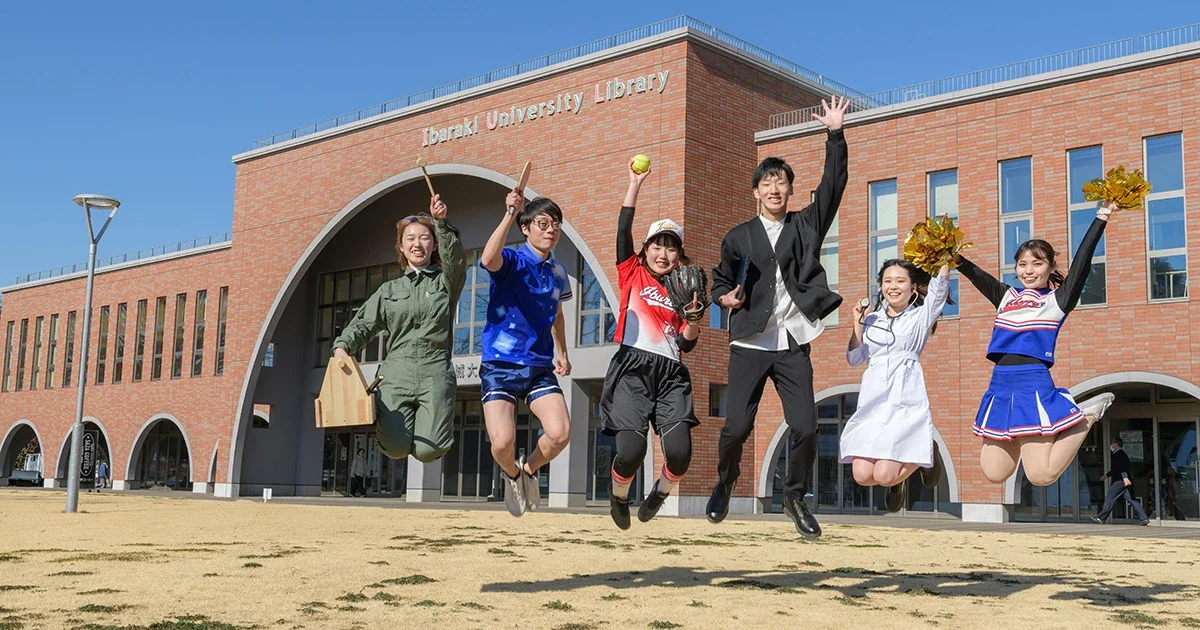
Ibaraki University is among Japan's public institutions, founded in 1949 and based in Mito-shi, Japan. It operates as a higher-education provider.
The academic catalogue at Ibaraki University runs across multiple qualification levels, with numerous faculties and schools hosting a focused programme catalogue. Each unit administers its own admissions and curriculum framework.
Ranked #2655 globally and #127 within Japan, Ibaraki University sits within Japan's academic landscape as an established institution. The institution participates in Japan's academic ecosystem alongside other higher-education providers.
Location & Contact
Ibaraki University's on-the-ground location and digital channels to engage with the institution. Library access for prospective students is often arranged separately through the main library team.
Academic Details
Ibaraki University's student-to-faculty composition and recognition standing are listed below. Student support staff (advisers, counsellors) are typically separate from academic staff and often uncounted here.
Degrees
Whether you're considering bachelor's, master's, or doctoral study at Ibaraki University, qualifications are sorted by level. Stackable credentials (microcredentials adding up to full degrees) appear separately where available.
Other 16 programs
- Agriculture
- Computer Science
- Electrical and Electronic Engineering
- Environmental Studies
- Industrial Engineering
- Information Sciences
- Information Technology
- Laser Engineering
- Materials Engineering
- Mechanical Engineering
- Media Studies
- Molecular Biology
- Natural Sciences
- Physics
- Telecommunications Engineering
- Town Planning
Faculties & Divisions
The academic units at Ibaraki University alongside their subject specialisms. Subject-specific library resources are usually managed by the relevant faculty rather than the central library.
Astronomy (Centre) 1 subject offered
Specialisations & Subjects
- Astronomy and Space Science
Instrumental Analysis (Centre) 1 subject offered
Specialisations & Subjects
- Measurement and Precision Engineering
Water Environment Studies (Centre) 2 subjects offered
Specialisations & Subjects
- Environmental Studies
- Water Science
Agriculture (College) 14 subjects offered
Specialisations & Subjects
- Agriculture
- Animal Husbandry
- Biological and Life Sciences
- Biotechnology
- Crop Production
- Environmental Studies
- Farm Management
- Food Science
- Horticulture
- Information Technology
- Molecular Biology
- Natural Resources
- Regional Studies
- Social Sciences
Common Career Paths
- Agricultural Scientist
- Agronomist
- Farm Manager
Illustrative career directions for this field; specific outcomes depend on programme and student choices.
Education (College) 11 subjects offered
Specialisations & Subjects
- Cultural Studies
- Education
- Environmental Studies
- Information Sciences
- Nursing
- Physical Education
- Primary Education
- Secondary Education
- Social Studies
- Special Education
- Teacher Training
Common Career Paths
- Teacher
- Educational Administrator
- Curriculum Specialist
Illustrative career directions for this field; specific outcomes depend on programme and student choices.
Engineering (College) 21 subjects offered
Specialisations & Subjects
- Applied Chemistry
- Artificial Intelligence
- Biochemistry
- Bioengineering
- Civil Engineering
- Computer Science
- Electrical and Electronic Engineering
- Electronic Engineering
- Energy Engineering
- Engineering
- Environmental Studies
- Information Sciences
- Information Technology
- Materials Engineering
- Mechanical Engineering
- Media Studies
- Molecular Biology
- Nanotechnology
- Telecommunications Engineering
- Town Planning
- Welfare and Protective Services
Common Career Paths
- Engineer
- Project Manager
- Technical Consultant
Illustrative career directions for this field; specific outcomes depend on programme and student choices.
Humanities (College) 9 subjects offered
Specialisations & Subjects
- Arts and Humanities
- Communication Studies
- Economics
- Government
- Management
- Political Sciences
- Public Administration
- Social Sciences
- Welfare and Protective Services
Common Career Paths
- Researcher
- Editor
- Cultural Analyst
Illustrative career directions for this field; specific outcomes depend on programme and student choices.
Science (College) 7 subjects offered
Specialisations & Subjects
- Biology
- Chemistry
- Earth Sciences
- Environmental Studies
- Mathematics
- Natural Sciences
- Physics
Common Career Paths
- Research Scientist
- Lab Technician
- Analyst
Illustrative career directions for this field; specific outcomes depend on programme and student choices.
Special Support Education (Course/Programme) 5 subjects offered
Specialisations & Subjects
- Education
- Education of the Handicapped
- Physiology
- Psychology
- Special Education
Common Career Paths
- Teacher
- Educational Administrator
- Curriculum Specialist
Illustrative career directions for this field; specific outcomes depend on programme and student choices.
Agricultural Sciences (Graduate School) 17 subjects offered
Specialisations & Subjects
- Agricultural Economics
- Agricultural Engineering
- Agricultural Management
- Agriculture
- Anatomy
- Animal Husbandry
- Biochemistry
- Biological and Life Sciences
- Crop Production
- Ecology
- Environmental Engineering
- Environmental Management
- Food Science
- Genetics
- Geology
- Natural Resources
- Physiology
Common Career Paths
- Research Scientist
- Lab Technician
- Analyst
Illustrative career directions for this field; specific outcomes depend on programme and student choices.
Agriculture (Graduate School) 12 subjects offered
Specialisations & Subjects
- Agriculture
- Animal Husbandry
- Biological and Life Sciences
- Biotechnology
- Chemistry
- Ecology
- Environmental Management
- Environmental Studies
- Farm Management
- Food Science
- Natural Resources
- Regional Studies
Common Career Paths
- Agricultural Scientist
- Agronomist
- Farm Manager
Illustrative career directions for this field; specific outcomes depend on programme and student choices.
Education (Graduate School) 17 subjects offered
Specialisations & Subjects
- Clinical Psychology
- Economics
- Education
- Education of the Handicapped
- Fine Arts
- Health Education
- Linguistics
- Mathematics
- Nursing
- Physical Education
- Physiology
- Primary Education
- Psychology
- Social Sciences
- Special Education
- Technology
- Vocational Education
Common Career Paths
- Teacher
- Educational Administrator
- Curriculum Specialist
Illustrative career directions for this field; specific outcomes depend on programme and student choices.
Humanities (Graduate School) 28 subjects offered
Specialisations & Subjects
- Administration
- Anthropology
- Archaeology
- Art History
- Arts and Humanities
- Chinese
- Communication Studies
- Cultural Studies
- Economics
- English
- French
- Geography
- German
- Grammar
- Heritage Preservation
- History
- Japanese
- Law
- Linguistics
- Literature
- Management
- Media Studies
- Philosophy
- Psychology
- Public Administration
- Regional Studies
- Social Sciences
- Sociology
Common Career Paths
- Researcher
- Editor
- Cultural Analyst
Illustrative career directions for this field; specific outcomes depend on programme and student choices.
Science and Engineering (Graduate School) 32 subjects offered
Specialisations & Subjects
- Artificial Intelligence
- Biological and Life Sciences
- Biology
- Chemistry
- Civil Engineering
- Computer Science
- Earth Sciences
- Electrical and Electronic Engineering
- Electronic Engineering
- Electronics and Automation
- Energy Engineering
- Engineering
- Environmental Studies
- Industrial Engineering
- Information Sciences
- Information Technology
- Laser Engineering
- Machine Building
- Materials Engineering
- Mathematics and Computer Science
- Measurement and Precision Engineering
- Mechanical Engineering
- Molecular Biology
- Multimedia
- Natural Sciences
- Nuclear Engineering
- Optical Technology
- Physics
- Power Engineering
- Production Engineering
- Telecommunications Engineering
- Town Planning
Common Career Paths
- Engineer
- Project Manager
- Technical Consultant
Illustrative career directions for this field; specific outcomes depend on programme and student choices.
Arts and Culture (Institute) 2 subjects offered
Specialisations & Subjects
- Cultural Studies
- Fine Arts
Global Change Adaptation Science (Institute) 1 subject offered
Specialisations & Subjects
- Environmental Studies
Common Career Paths
- Research Scientist
- Lab Technician
- Analyst
Illustrative career directions for this field; specific outcomes depend on programme and student choices.
Applied Atomic Sciences (Research Division) 1 subject offered
Specialisations & Subjects
- Atomic and Molecular Physics
Common Career Paths
- Research Scientist
- Lab Technician
- Analyst
Illustrative career directions for this field; specific outcomes depend on programme and student choices.
Gene (Research Division) 1 subject offered
Specialisations & Subjects
- Genetics
Programs Offered
The programmes you can apply for at Ibaraki University are grouped by degree level. Programme-level accreditation (separate from institutional) matters for regulated professions like law, medicine, and engineering.
12 programmes on record. Compare these on the programs page All programs in Japan
Bachelor's Degree 6 programmes
Master's Degree 4 programmes
Professional Doctorate 1 programme
Diploma 1 programme
How to apply to Ibaraki University
The standard application path for Ibaraki University, broken into five practical steps with the documents and channels you will need at each stage.
-
1
Browse the programme catalogue
Ibaraki University's catalogue includes 12 programmes. Browse by level, identify candidates matching your prior qualifications, and note their entry requirements for the next step.
-
2
Check eligibility for your chosen programme
Entry requirements vary by programme and degree level. Verify academic minimums, language tests (if international), and any additional documents required for Ibaraki University's admissions process.
-
3
Get your documents ready
Typical documents include academic transcripts, identity proof (passport or national ID), language proficiency test scores, a personal statement or motivation letter, and recommendation letters. International applicants should account for translation and notarisation time.
-
4
Apply through the official channel
Submit your completed application through Ibaraki University's official website at www.ibaraki.ac.jp. Most institutions use an online portal — register an account, complete the application form, and upload your prepared documents. Keep copies of all submissions and confirmation receipts.
-
5
Reach out and track your application
Follow up to confirm your application was received and is being processed. Admissions teams may request interviews or additional documents — respond promptly to keep your application active.
Frequently Asked Questions about Ibaraki University
Short Q&A on the institutional facts that matter most when shortlisting Ibaraki University as a study destination.
When did Ibaraki University open?
Ibaraki University traces its founding to 1949 (approximately 77 years ago).
What city is Ibaraki University in?
Ibaraki University operates from Mito-shi, Japan.
Is Ibaraki University public or private?
Ibaraki University operates as a public institution.
How is Ibaraki University ranked?
Ibaraki University is ranked #2655 globally and #128 in Japan.
Is Ibaraki University accredited?
Ibaraki University is accredited by Ministry of Education, Culture, Sports, Science and Technology.
What is Ibaraki University's official website?
You can find Ibaraki University online at www.ibaraki.ac.jp.
Top-Ranked Universities in Japan
International student mix at Japan's top universities tends to be higher than at lower-ranked institutions. This affects campus culture and the value of student networks for international students.

Faculties at nearby universities
Regional language considerations matter when comparing universities near Ibaraki University. Bilingual or minority-language regions may shape teaching, signage, and daily life consistently across the cluster.



Where Else to Study Education & Teaching
Beyond Ibaraki University, several other universities in Japan deliver focused Education & Teaching programmes worth exploring before you commit to a single application. Programme depth and elective range vary significantly between institutions.




Universities Compared with Ibaraki University
Below: institutions that students typically weigh against Ibaraki University when finalising their shortlist. The comparison set reflects scale and prestige; specific programme fit still needs separate verification.


Studying in Japan: guides and resources



Spotted something outdated or missing?
Help us keep this page accurate — it takes about 30 seconds.