
Kyoto Women's University
Kyoto, Japan • Founded 1920
Updated May 2026
Overview
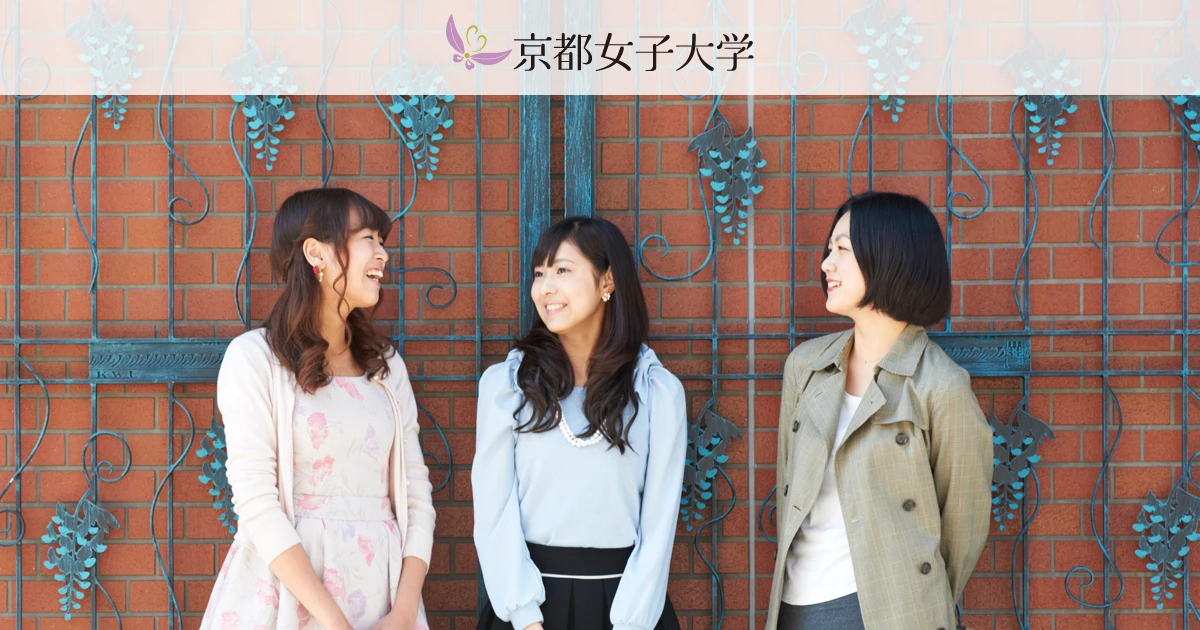
Established in 1920, the Kyoto Women's University (Kyoto Jyosi Daigaku) is a private higher education institution located in the metropolis of Kyoto (population range of 1,000,000-5,000,000 inhabitants).
Officially recognized by the Ministry of Education, Culture, Sports, Science and Technology of Japan, Kyoto Women's University is a small-sized women only Japanese higher education institution formally affiliated with the Buddhist religion. Kyoto Women's University offers courses and programs leading to officially recognized higher education degrees such as bachelor's degrees, master's degrees and doctorate degrees in several areas of study.
This 104-year-old Japanese higher-education institution has a selective admission policy based on entrance examinations. The acceptance rate range is 20-29% making this Japanese higher education organization a very selective institution.
International applicants are eligible to apply for enrollment.
Kyoto Women's University also provides several academic and non-academic facilities and services to students including a library, sports facilities, as well as administrative services.
Location & Contact
Kyoto Women's University's coordinates, postal address, and the contact channels admissions teams respond on. Campus tour bookings often have their own page distinct from general contact channels.
Academic Details
The numbers behind Kyoto Women's University: student body, academic staff, and the recognising bodies validating its work. A baseline read for assessing institutional capacity and rigour.
Academic Structures
Kyoto Women's University's teaching organisation from faculties down to institutes. Faculty websites typically list their own programme catalogue, faculty bios, and contact information separately from the central site.
Unit 9 items
- Faculty of Contemporary Society
- Faculty of Home Economics
- Faculty of Human Development and Education
- Faculty of Law
- Faculty of Letters
- Graduate School of Contemporary Society
- Graduate School of Home Economics
- Graduate School of Human Development and Education
- Graduate School of Letters
Degrees
Kyoto Women's University offers degrees across multiple levels. Full-time, part-time, and sandwich (with placement year) modes change total time commitment and total cost meaningfully.
Other 17 programs
- Behavioural Sciences
- Child Care and Development
- Cooking and Catering
- Development Studies
- Education
- English
- Food Science
- History
- Home Economics
- Interior Design
- Japanese
- Literature
- Nutrition
- Psychology
- Social Studies
- Textile Design
- Welfare and Protective Services
Faculties & Divisions
All faculties operate under Ministry of Education, Culture, Sports, Science and Technology of Japan.
Arts (Faculty) 8 subjects offered
Specialisations & Subjects
- American Studies
- Applied Linguistics
- English
- English Studies
- History
- Japanese
- Linguistics
- Literature
Home Economics (Faculty) 13 subjects offered
Specialisations & Subjects
- Architecture
- Development Studies
- Dietetics
- Fashion Design
- Food Science
- Health Education
- Health Sciences
- Interior Design
- Nursing
- Nutrition
- Social Welfare
- Textile Design
- Welfare and Protective Services
Common Career Paths
- Economist
- Policy Analyst
- Financial Consultant
Illustrative career directions for this field; specific outcomes depend on programme and student choices.
Human Development and Education (Faculty) 13 subjects offered
Specialisations & Subjects
- Child Care and Development
- Clinical Psychology
- Cognitive Sciences
- Developmental Psychology
- Education
- Educational Psychology
- Music
- Music Education
- Performing Arts
- Preschool Education
- Primary Education
- Psychology
- Social Psychology
Common Career Paths
- Teacher
- Educational Administrator
- Curriculum Specialist
Illustrative career directions for this field; specific outcomes depend on programme and student choices.
Law (Faculty) 1 subject offered
Specialisations & Subjects
- Law
Common Career Paths
- Lawyer
- Legal Consultant
- Compliance Officer
Illustrative career directions for this field; specific outcomes depend on programme and student choices.
Study of Contemporary Society (Faculty) 4 subjects offered
Specialisations & Subjects
- Information Sciences
- International Studies
- Public Administration
- Social Studies
Contemporary Society (Graduate School) 1 subject offered
Specialisations & Subjects
- Social Studies
Home Economics (Graduate School) 11 subjects offered
Specialisations & Subjects
- Architecture
- Cooking and Catering
- Environmental Studies
- Food Science
- Health Sciences
- Home Economics
- Interior Design
- Nursing
- Nutrition
- Textile Design
- Welfare and Protective Services
Common Career Paths
- Economist
- Policy Analyst
- Financial Consultant
Illustrative career directions for this field; specific outcomes depend on programme and student choices.
Human Development and Education (Graduate School) 11 subjects offered
Specialisations & Subjects
- Behavioural Sciences
- Child Care and Development
- Clinical Psychology
- Continuing Education
- Education
- Education of the Handicapped
- Home Economics
- Music Education
- Pedagogy
- Primary Education
- Psychology
Common Career Paths
- Teacher
- Educational Administrator
- Curriculum Specialist
Illustrative career directions for this field; specific outcomes depend on programme and student choices.
Literature (Graduate School) 6 subjects offered
Specialisations & Subjects
- Asian Religious Studies
- English
- History
- Japanese
- Linguistics
- Literature
Programs Offered
Kyoto Women's University's degree-level programme breakdown, with search. Industry-sponsored programmes often have bonded service or employment commitments — read the terms before accepting any sponsored place.
13 programmes on record. Compare these on the programs page All programs in Japan
Bachelor's Degree 8 programmes
Master's Degree 5 programmes
How to apply to Kyoto Women's University
A practical five-step guide to applying to Kyoto Women's University, from programme research through submission and follow-up.
-
1
Identify the right programme
Use the programme finder to browse Kyoto Women's University's 13 active programmes. Filter by keyword or scan by degree level. Read curriculum details on each programme's dedicated page if available.
-
2
Check entry requirements
Programme-level requirements at Kyoto Women's University typically include academic transcripts, language proficiency proof, identity documents, and a personal statement or interview. Confirm specific requirements with the admissions office.
-
3
Prepare your application documents
Prepare academic transcripts, ID/passport copies, language proficiency proof, a personal statement, and reference letters. International candidates may need apostilled or notarised translations — start early to avoid deadline pressure.
-
4
Submit via the institution
Kyoto Women's University processes applications through www.kyoto-wu.ac.jp. Create an account, fill out the application form, and submit your documents. Note application deadlines, which vary by intake and programme.
-
5
Get in touch with admissions
Confirm receipt of your application with the admissions office and keep an eye on your portal for status changes. You can reach the institution by email at [email protected] or by phone at +81 (75)531 7030. Quick responses to any follow-up requests keep your application moving smoothly through the review process.
Frequently Asked Questions about Kyoto Women's University
A short Q&A covering Kyoto Women's University's essentials — founding, location, scale, ranking, and academic structure.
How old is Kyoto Women's University?
The institution opened in 1920 (approximately 106 years ago).
What city is Kyoto Women's University in?
Kyoto Women's University operates from Kyoto, Japan.
Is Kyoto Women's University a public or private institution?
It is a private higher-education institution.
How big is Kyoto Women's University's student body?
Kyoto Women's University serves approximately 5,000-5,999 students.
Is Kyoto Women's University affiliated with a religion?
Yes, Kyoto Women's University is affiliated with Buddhism.
What is Kyoto Women's University's academic structure?
Kyoto Women's University is organised into 9 academic units across its disciplines.
Who recognises Kyoto Women's University?
Kyoto Women's University is accredited by Japan University Accreditation Association (JUAA).
Where can I learn more about Kyoto Women's University?
The institution's website is www.kyoto-wu.ac.jp.
Top-Ranked Universities in Japan
Top universities in Japan differ from flagship status: top is rankings-defined; flagship is often historically defined. The lists may overlap but are not identical.

Other Japanese Universities Affiliated with Buddhism
The institutions below share Kyoto Women's University's Buddhism tradition and operate with comparable spiritual frameworks. Spiritual frameworks shape institutional decisions on student life, curriculum, and community engagement.


Faculties at nearby universities
Other institutions in Kyoto Women's University's region offer similar admissions cycles and overlapping subject areas, listed below for comparison. Regional clusters often share employer networks and post-study career pathways.



Where Else to Study Education & Teaching
Looking for Education & Teaching programmes beyond Kyoto Women's University? Other universities in Japan cover the same discipline. Cross-comparing modules, assessment styles, and faculty profiles is the fastest way to find the right fit.


Universities Compared with Kyoto Women's University
Selectivity rates (acceptance percentage) cluster around Kyoto Women's University for the peer institutions below. Selectivity is one of the more stable signals of institutional positioning over time.

Studying in Japan: guides and resources




Spotted something outdated or missing?
Help us keep this page accurate — it takes about 30 seconds.