Niigata Sangyo University
Japan • Founded 1988
Updated May 2026
Overview
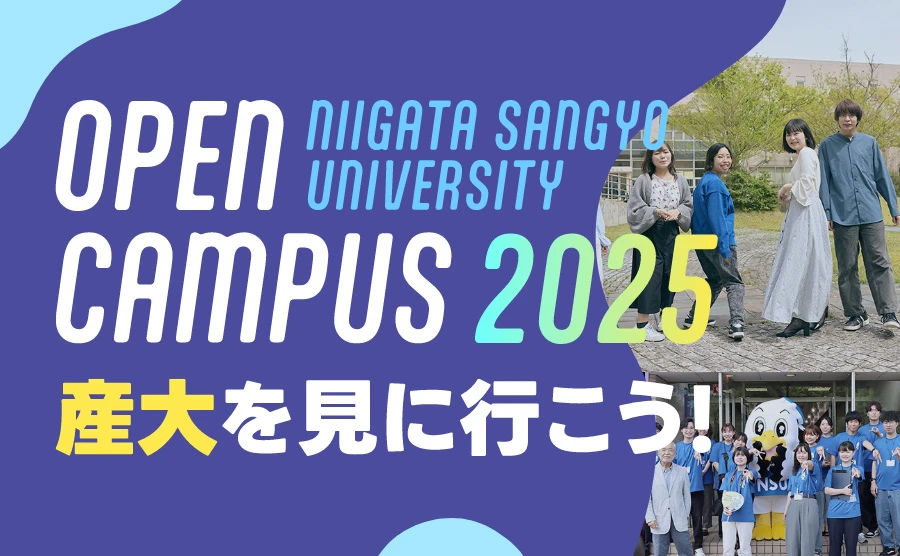


Within Japan's higher-education landscape, Niigata Sangyo University stands as a private university founded in 1988. It operates from Kashiwazaki-shi, Japan as a higher-education provider.
Niigata Sangyo University's academic offerings include a catalogue of active programmes, structured across multiple qualification levels and delivered through multiple faculties. Each unit operates with its own admissions criteria within institutional standards.
Location & Contact
Niigata Sangyo University's physical location and the contact details prospective students typically need before applying or visiting. Channels listed below come from the institution's published profile.
Academic Details
Enrolment scale, staff balance, and accreditation context for Niigata Sangyo University are below. Female student percentage signals admissions reach and shapes the student-life environment.
Degrees
Below: Niigata Sangyo University's degree portfolio by level. Honours versus general degrees differ in academic depth and graduate-school recognition — read entry requirements carefully.
Other 1 program
- Economics
Faculties & Divisions
The academic units at Niigata Sangyo University alongside their subject specialisms. Subject-specific library resources are usually managed by the relevant faculty rather than the central library.
Museum Curator (Course/Programme) 1 subject offered
Specialisations & Subjects
- Museum Management
Teacher Training (Course/Programme) 1 subject offered
Specialisations & Subjects
- Teacher Training
Economics (Faculty) 8 subjects offered
Specialisations & Subjects
- Accountancy
- Agricultural Business
- Business Administration
- Development Studies
- Economics
- Management
- Social and Community Services
- Tourism
Common Career Paths
- Economist
- Policy Analyst
- Financial Consultant
Illustrative career directions for this field; specific outcomes depend on programme and student choices.
Economics (Graduate School) 2 subjects offered
Specialisations & Subjects
- Economics
- Management
Common Career Paths
- Economist
- Policy Analyst
- Financial Consultant
Illustrative career directions for this field; specific outcomes depend on programme and student choices.
East Asia Economic and Cultural Studies (Institute) 2 subjects offered
Specialisations & Subjects
- East Asian Studies
- Economics
Programs Offered
Search and filter Niigata Sangyo University's available programmes by degree level. The list reflects the institution's current catalogue and may not include programmes that are paused or pending approval.
3 programmes on record. Compare these on the programs page All programs in Japan
Bachelor's Degree 2 programmes
Master's Degree 1 programme
How to apply to Niigata Sangyo University
The standard application path for Niigata Sangyo University, broken into five practical steps with the documents and channels you will need at each stage.
-
1
Find a programme that fits your goals
Niigata Sangyo University's catalogue includes 3 programmes. Browse by level, identify candidates matching your prior qualifications, and note their entry requirements for the next step.
-
2
Confirm you meet the requirements
Entry requirements vary by programme and degree level. Verify academic minimums, language tests (if international), and any additional documents required for Niigata Sangyo University's admissions process.
-
3
Assemble your application package
Typical documents include academic transcripts, identity proof (passport or national ID), language proficiency test scores, a personal statement or motivation letter, and recommendation letters. International applicants should account for translation and notarisation time.
-
4
Submit your application
Submit your completed application through Niigata Sangyo University's official website at www.nsu.ac.jp. Most institutions use an online portal — register an account, complete the application form, and upload your prepared documents. Keep copies of all submissions and confirmation receipts.
-
5
Contact admissions and follow up
Follow up to confirm your application was received and is being processed. Reach the institution by phone at 0257-24-6655. Admissions teams may request interviews or additional documents — respond promptly to keep your application active.
Frequently Asked Questions about Niigata Sangyo University
Common questions about Niigata Sangyo University answered concisely, with each answer grounded in the institution's published data.
When was Niigata Sangyo University founded?
Niigata Sangyo University was established in 1988 (approximately 38 years ago).
Where is Niigata Sangyo University located?
Niigata Sangyo University is located in Kashiwazaki-shi, Japan.
Is Niigata Sangyo University public or private?
Niigata Sangyo University operates as a private institution.
Is Niigata Sangyo University accredited?
The institution holds recognition from Japan University Accreditation Association (JUAA).
How do I find Niigata Sangyo University online?
Niigata Sangyo University's official website is www.nsu.ac.jp.
Top-Ranked Universities in Japan
Industry partnerships of Japan's top universities signal employer engagement at the apex of the system. Lower-ranked institutions including Niigata Sangyo University may still partner with strong employers locally.

Where Else to Study Economics
Cohort intake size shapes class culture meaningfully in Economics. Some Japan institutions accept a few dozen, others hundreds — the difference affects peer-learning depth and faculty access.



Universities Compared with Niigata Sangyo University
Yield rates (proportion of admitted students who enroll) cluster among peer institutions. High-yield universities signal strong applicant preference compared to peers at the same selectivity level.

Studying in Japan: guides and resources




Spotted something outdated or missing?
Help us keep this page accurate — it takes about 30 seconds.