The University of Electro-Communications
Chōfu, Japan • Founded 1918 • THE 2026 #1201-1500
Updated May 2026 · Source: uec.ac.jp
Overview
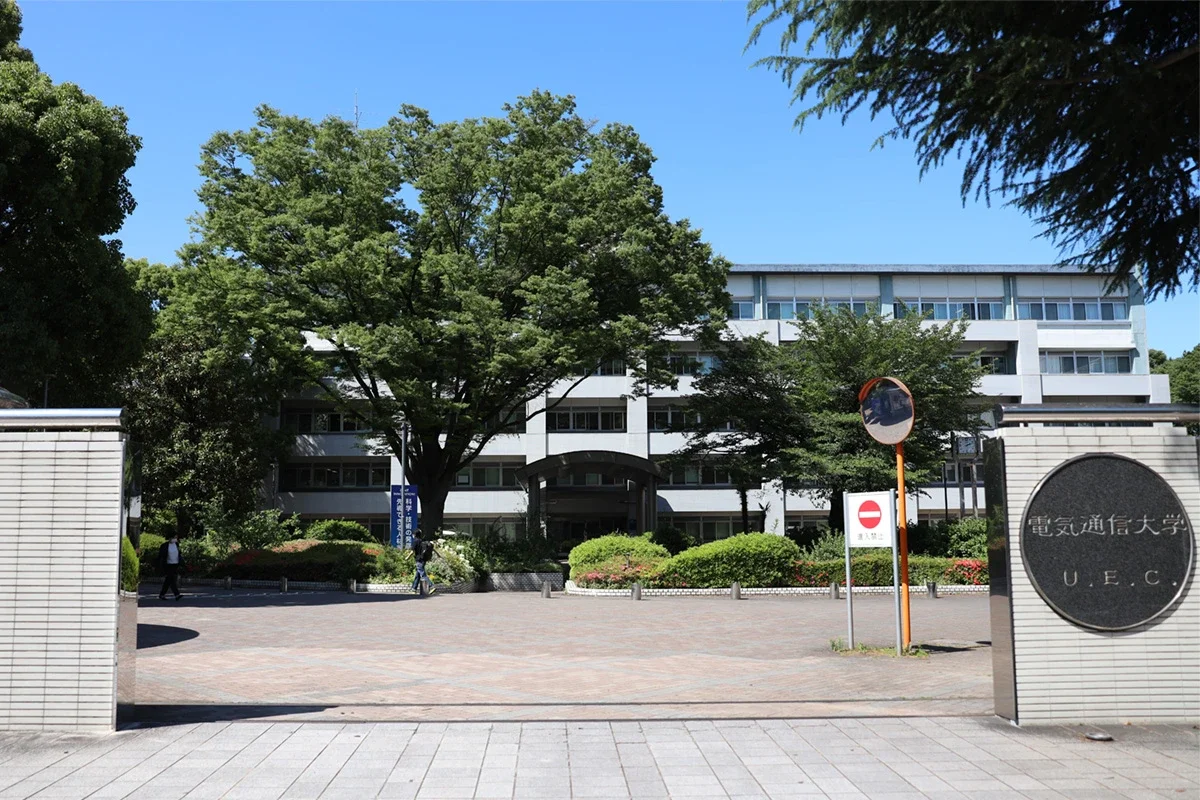
Founded in 1949, The University of Electro-Communications (Denki Tsushin Daigaku) is a non-profit public higher education institution located in the urban setting of the small city of Chofu (population range of 50,000-249,999 inhabitants), Tokyo.
Officially recognized by the Ministry of Education, Culture, Sports, Science and Technology of Japan, The University of Electro-Communications (UEC) is a small-sized coeducational Japanese higher education institution. The University of Electro-Communications (UEC) offers courses and programs leading to officially recognized higher education degrees such as bachelor's degrees, master's degrees and doctorate degrees in several areas of study.
This 75-year-old Japanese higher-education institution has a selective admission policy based on entrance examinations. The acceptance rate range is 20-29% making this Japanese higher education organization a very selective institution.
International students are welcome to apply for enrollment.
UEC also provides several academic and non-academic facilities and services to students including a library, housing, sports facilities, study abroad and exchange programs, as well as administrative services.
Location & Contact
Find The University of Electro-Communications on the map and its contact channels below.
Academic Details
A snapshot of The University of Electro-Communications's academic profile — enrolment, staffing, and recognition.
Academic Structures
Below is how The University of Electro-Communications is organised academically — the schools, faculties, and units.
Unit 2 items
- Graduate School of Informatics and Engineering
- School of Informatics and Engineering
Faculties & Divisions
All faculties operate under Ministry of Education, Culture, Sports, Science and Technology of Japan.
Developing e-Learning (Centre) 1 subject offered
Specialisations & Subjects
- Educational Technology
Higher Education Development and Research (Centre) 1 subject offered
Specialisations & Subjects
- Higher Education
Industrial and Governmental Relations (Centre) 2 subjects offered
Specialisations & Subjects
- Business Administration
- Technology
Information Technology (Centre) 1 subject offered
Specialisations & Subjects
- Information Technology
Electro-Communications (Faculty) 9 subjects offered
Specialisations & Subjects
- Applied Chemistry
- Applied Physics
- Communication Studies
- Computer Science
- Electronic Engineering
- Information Technology
- Mechanical Engineering
- Systems Analysis
- Telecommunications Engineering
Informatics and Engineering (Faculty) 19 subjects offered
Specialisations & Subjects
- Applied Physics
- Biological and Life Sciences
- Biotechnology
- Computer Engineering
- Computer Science
- Electronic Engineering
- Electronics and Automation
- Engineering
- Information Management
- Information Sciences
- Information Technology
- Management
- Mathematics
- Mathematics and Computer Science
- Mechanical Engineering
- Media Studies
- Optical Technology
- Robotics
- Telecommunications Engineering
Electro-Communications (Graduate School) 12 subjects offered
Specialisations & Subjects
- Applied Chemistry
- Applied Physics
- Computer Networks
- Computer Science
- Electronic Engineering
- Information Sciences
- Information Technology
- Mathematics
- Mathematics and Computer Science
- Mechanical Engineering
- Media Studies
- Telecommunications Engineering
Informatics and Engineering (Graduate School) 18 subjects offered
Specialisations & Subjects
- Applied Chemistry
- Biological and Life Sciences
- Biotechnology
- Computer Science
- Electronic Engineering
- Electronics and Automation
- Engineering
- Information Management
- Information Sciences
- Information Technology
- Management
- Mathematics
- Mathematics and Computer Science
- Mechanical Engineering
- Media Studies
- Optical Technology
- Robotics
- Telecommunications Engineering
Information Systems (Graduate School) 6 subjects offered
Specialisations & Subjects
- Computer Engineering
- Computer Networks
- Information Sciences
- Information Technology
- Media Studies
- Software Engineering
Laser Science (Institute) 1 subject offered
Specialisations & Subjects
- Laser Engineering
Advanced Wireless Communication (Research Division) 1 subject offered
Specialisations & Subjects
- Telecommunications Engineering
Programs Offered
The University of Electro-Communications's programme catalogue is grouped by level below.
2 programmes on record. Compare these on the programs page All programs in Japan
Bachelor's Degree 1 programme
Master's Degree 1 programme
How to apply to The University of Electro-Communications
How to apply to The University of Electro-Communications — a five-step structure.
-
1
Identify the right programme
Begin by reviewing the programmes section above. The University of Electro-Communications offers 2 programmes grouped by qualification level. Decide on a target tier (bachelor's, master's, or doctoral) before narrowing by subject.
-
2
Check entry requirements
Each programme at The University of Electro-Communications has its own entry requirements — academic minimums, language proficiency, supporting documents, and sometimes interviews or portfolios. Check the programme-specific page or contact admissions to confirm eligibility.
-
3
Prepare your application documents
Most applications require certified academic records, identification documents, language test certificates (IELTS, TOEFL, or equivalent for English-medium programmes), CV/résumé, and a statement of purpose. Allow extra time for document authentication.
-
4
Submit via the institution
Apply directly via The University of Electro-Communications's online portal at www.uec.ac.jp. Complete the application form, upload supporting documents, and pay any application fee. Confirmation emails typically arrive within a few business days.
-
5
Get in touch with admissions
After submitting, confirm receipt with the admissions office and track your application status through the portal. Reach the institution by phone at +81 (42) 443 5000. Set reminders for any interview requests, additional document submissions, or admission decision deadlines.
Frequently Asked Questions about The University of Electro-Communications
Below are key facts about The University of Electro-Communications, drawn directly from institutional records.
When was The University of Electro-Communications founded?
The University of Electro-Communications was established in 1918 (approximately 108 years ago).
Where can I find The University of Electro-Communications?
The institution is located in Chōfu, Japan.
Is The University of Electro-Communications a public or private institution?
The University of Electro-Communications is a public institution.
How many students does The University of Electro-Communications have?
The institution has a student body of 4,000-4,999.
Where does The University of Electro-Communications stand in university rankings?
The University of Electro-Communications is ranked THE 2026 #1201-1500.
How is The University of Electro-Communications organised academically?
The institution comprises 2 academic units.
Is The University of Electro-Communications officially recognised?
The institution holds recognition from Ministry of Education, Culture, Sports, Science and Technology (MEXT).
What is The University of Electro-Communications's official website?
The University of Electro-Communications's official website is www.uec.ac.jp.
Top-Ranked Universities in Japan
Industry partnerships of Japan's top universities signal employer engagement at the apex of the system. Lower-ranked institutions including The University of Electro-Communications may still partner with strong employers locally.





Faculties at nearby universities
These universities are located near The University of Electro-Communications, listed below for students comparing options by location.



Where Else to Study Information Systems & Technology
These universities in Japan also offer Information Systems & Technology programmes, alongside The University of Electro-Communications.





Universities Compared with The University of Electro-Communications
Comparable universities to The University of Electro-Communications are listed below.

Studying in Japan: guides and resources




Spotted something outdated or missing?
Help us keep this page accurate — it takes about 30 seconds.