University of the Algarve
Faro, Portugal • Founded 1979
Overview
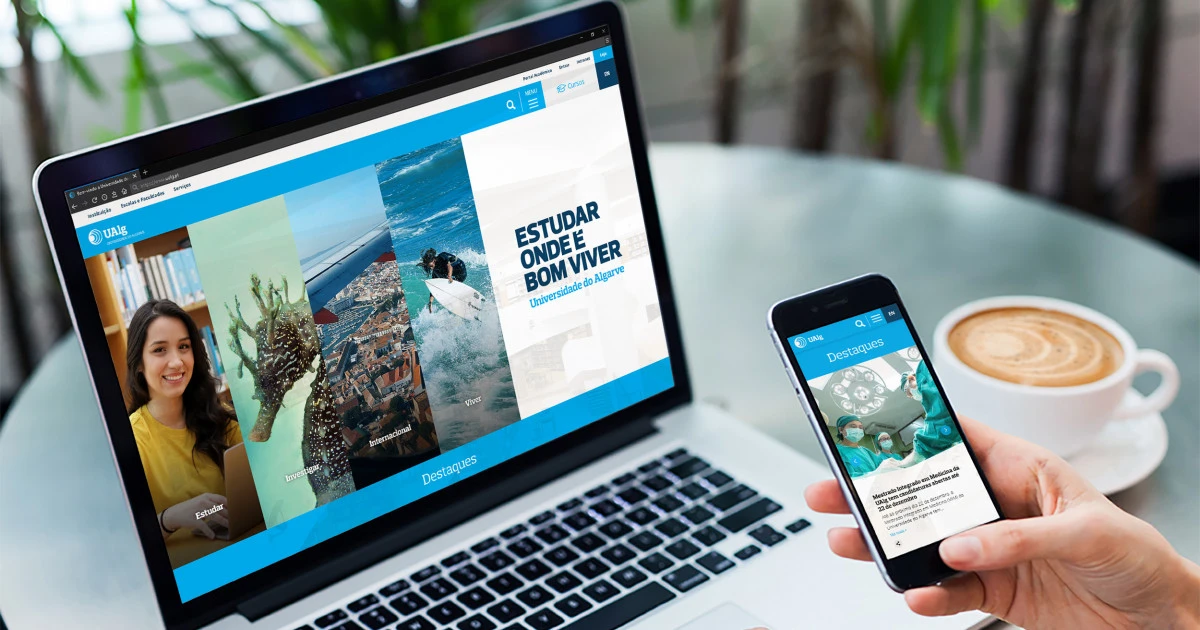
University of the Algarve is a public institution located in Faro, Portugal. Founded in 1979, it operates as a higher-education provider.
Teaching at University of the Algarve covers multiple qualification levels, delivered through numerous faculties and schools. The institution maintains a catalogue of active programmes spanning undergraduate and postgraduate routes.
Location & Contact
University of the Algarve's campus location, postal address, and the channels students typically use to reach the admissions team. Verified contact points help avoid third-party impersonators.
Academic Details
University of the Algarve's scale, faculty balance, and academic recognition. Staff-with-doctorate share often signals research culture more reliably than headline research output figures.
Degrees
Also Postgraduate Courses, 1-2 yrs; European Master
Diploma & Certificate 9 programs
Diploma and certificate routes deliver focused, applied training for fast entry into skilled occupations.
- Accountancy
- Computer Graphics
- Computer Networks
- Computer Science
- Electrical Engineering
- Hygiene
- Mechanical Engineering
- Secretarial Studies
- Tourism
Other 91 programs
- Accountancy
- Agricultural Business
- Agricultural Engineering
- Agriculture
- Agronomy
- Applied Mathematics
- Aquaculture
- Archaeology
- Biochemistry
- Bioengineering
- Biological and Life Sciences
- Biology
- Biomedicine
- Biotechnology
- Business Administration
- Chemistry
- Civil Engineering
- Clinical Psychology
- Coastal Studies
- Cognitive Sciences
- Communication Arts
- Communication Studies
- Computer Engineering
- Computer Graphics
- Cultural Studies
- Design
- Dietetics
- Earth Sciences
- Economics
- Education of the Socially Disadvantaged
- Educational Administration
- Educational Psychology
- Educational Sciences
- Electrical and Electronic Engineering
- Electronic Engineering
- Energy Engineering
- Environmental Studies
- Finance
- Fishery
- Food Technology
- Foreign Languages Education
- Gerontology
- Health Administration
- Heritage Preservation
- History
- Horticulture
- Hotel Management
- Human Resources
- Humanities and Social Science Education
- Industrial and Organizational Psychology
- Information Technology
- Laboratory Techniques
- Landscape Architecture
- Literature
- Management
- Marine Biology
- Marine Science and Oceanography
- Marketing
- Mathematics
- Mathematics Education
- Mechanical Engineering
- Medicine
- Microbiology
- Modern Languages
- Molecular Biology
- Native Language Education
- Neurosciences
- Nursing
- Nutrition
- Occupational Health
- Oncology
- Pharmacy
- Preschool Education
- Primary Education
- Psychology
- Radiology
- Science Education
- Secondary Education
- Social Work
- Sociology
- Soil Science
- Special Education
- Sports
- Taxation
- Teacher Training
- Telecommunications Engineering
- Tourism
- Treatment Techniques
- Visual Arts
- Water Management
- Water Science
Faculties & Divisions
Subject coverage by faculty inside University of the Algarve. Faculty groupings reflect both academic tradition and the institution's strategic positioning across disciplines.
Biomedical Sciences and Medicine (Department/Division) 2 subjects offered
Specialisations & Subjects
- Biomedicine
- Medicine
Common Career Paths
- Biomedical Engineer
- Medical Device Specialist
- Clinical Engineer
Illustrative career directions for this field; specific outcomes depend on programme and student choices.
Economics (Faculty) 6 subjects offered
Specialisations & Subjects
- Economics
- Finance
- Management
- Marketing
- Sociology
- Tourism
Common Career Paths
- Economist
- Policy Analyst
- Financial Consultant
Illustrative career directions for this field; specific outcomes depend on programme and student choices.
Human and Social Sciences (Faculty) 7 subjects offered
Specialisations & Subjects
- Archaeology
- Educational Sciences
- History
- Literature
- Modern Languages
- Psychology
- Visual Arts
Common Career Paths
- Researcher
- Policy Analyst
- Social Worker
Illustrative career directions for this field; specific outcomes depend on programme and student choices.
Science and Technology (Faculty) 13 subjects offered
Specialisations & Subjects
- Agronomy
- Applied Mathematics
- Bioengineering
- Biology
- Biotechnology
- Chemistry
- Computer Engineering
- Electrical and Electronic Engineering
- Landscape Architecture
- Marine Biology
- Marine Science and Oceanography
- Mathematics
- Pharmacy
Common Career Paths
- Research Scientist
- Lab Technician
- Analyst
Illustrative career directions for this field; specific outcomes depend on programme and student choices.
Archaeology and Evolution of Human Behaviour (Research Division) 2 subjects offered
Specialisations & Subjects
- Archaeology
- History
Arts and Communication (Research Division) 2 subjects offered
Specialisations & Subjects
- Performing Arts
- Visual Arts
Common Career Paths
- Journalist
- Public Relations Specialist
- Content Strategist
Illustrative career directions for this field; specific outcomes depend on programme and student choices.
Biomedical Research (Research Division) 1 subject offered
Specialisations & Subjects
- Health Sciences
Common Career Paths
- Biomedical Engineer
- Medical Device Specialist
- Clinical Engineer
Illustrative career directions for this field; specific outcomes depend on programme and student choices.
Electronics, Optoelectronics and Telecommunications (Research Division) 2 subjects offered
Specialisations & Subjects
- Computer Science
- Electrical and Electronic Engineering
Common Career Paths
- Journalist
- Public Relations Specialist
- Content Strategist
Illustrative career directions for this field; specific outcomes depend on programme and student choices.
Marine and Environmental Research (Research Division) 1 subject offered
Specialisations & Subjects
- Marine Science and Oceanography
Common Career Paths
- Environmental Consultant
- Sustainability Officer
- Climate Analyst
Illustrative career directions for this field; specific outcomes depend on programme and student choices.
Marine Sciences (Research Division) 1 subject offered
Specialisations & Subjects
- Marine Science and Oceanography
Common Career Paths
- Research Scientist
- Lab Technician
- Analyst
Illustrative career directions for this field; specific outcomes depend on programme and student choices.
Mediterranean Bioresources and Food (Research Division) 1 subject offered
Specialisations & Subjects
- Biological and Life Sciences
Spatial and Organizational Dynamics (Research Division) 5 subjects offered
Specialisations & Subjects
- Anthropology
- Demography and Population
- Geography (Human)
- Regional Studies
- Sociology
Education and Communication (School) 8 subjects offered
Specialisations & Subjects
- Communication Studies
- Design
- Educational Technology
- Foreign Languages Education
- Multimedia
- Special Education
- Sports
- Teacher Training
Common Career Paths
- Teacher
- Educational Administrator
- Curriculum Specialist
Illustrative career directions for this field; specific outcomes depend on programme and student choices.
Engineering (School) 4 subjects offered
Specialisations & Subjects
- Civil Engineering
- Electrical and Electronic Engineering
- Food Technology
- Mechanical Engineering
Common Career Paths
- Engineer
- Project Manager
- Technical Consultant
Illustrative career directions for this field; specific outcomes depend on programme and student choices.
Health (School) 6 subjects offered
Specialisations & Subjects
- Dietetics
- Nursing
- Nutrition
- Pharmacy
- Physical Therapy
- Radiology
Management, Hospitality and Tourism (School) 5 subjects offered
Specialisations & Subjects
- Accountancy
- Hotel Management
- Management
- Marketing
- Tourism
Common Career Paths
- Operations Manager
- Project Manager
- HR Manager
Illustrative career directions for this field; specific outcomes depend on programme and student choices.
How to apply to University of the Algarve
A practical five-step guide to applying to University of the Algarve, from programme research through submission and follow-up.
- 1 Browse the programme catalogue
Begin by checking which programmes are available at University of the Algarve. Match the level to your prior education, then confirm the subject area you want to study.
- 2 Check eligibility for your chosen programme
Each programme at University of the Algarve has its own entry requirements — academic minimums, language proficiency, supporting documents, and sometimes interviews or portfolios. Check the programme-specific page or contact admissions to confirm eligibility.
- 3 Get your documents ready
Most applications require certified academic records, identification documents, language test certificates (IELTS, TOEFL, or equivalent for English-medium programmes), CV/résumé, and a statement of purpose. Allow extra time for document authentication.
- 4 Apply through the official channel
Apply directly via University of the Algarve's online portal at www.ualg.pt. Complete the application form, upload supporting documents, and pay any application fee. Confirmation emails typically arrive within a few business days.
- 5 Reach out and track your application
After submitting, confirm receipt with the admissions office and track your application status through the portal. Reach the institution by email at [email protected]. Set reminders for any interview requests, additional document submissions, or admission decision deadlines.
Frequently Asked Questions about University of the Algarve
Common questions about University of the Algarve answered concisely, with each answer grounded in the institution's published data.
When was University of the Algarve founded?
University of the Algarve was established in 1979 (approximately 47 years ago).
Where can I find University of the Algarve?
The institution is located in Faro, Portugal.
What is University of the Algarve's control type?
University of the Algarve is a public institution.
What programmes are available at University of the Algarve?
University of the Algarve delivers diploma and certificate programmes across its academic units.
Is University of the Algarve officially recognised?
University of the Algarve is accredited by Direção-Geral do Ensino Superior (DGES).
What is University of the Algarve's official website?
You can find University of the Algarve online at www.ualg.pt.
Top-Ranked Universities in Portugal
These are the most highly ranked universities in Portugal. Putting University of the Algarve alongside them gives a clearer picture of where it sits in the national academic landscape, especially when reputation matters for credential portability.


Faculties at Nearby Universities
The universities below sit close to University of the Algarve geographically and may suit students who want to stay within the same region for study. Proximity affects commuting cost, family contact, and the ease of switching institutions if circumstances change.


Universities Often Compared with University of the Algarve
When students choose University of the Algarve, they typically weigh it against institutions of similar standing. These universities sit at a comparable level — useful comparisons before committing to a final choice, especially when programme content is similar across the options.