Institut Supérieur de Technique Médicale
Lubumbashi, Democratic Republic of the Congo • Founded 1971
Updated May 2026
Overview
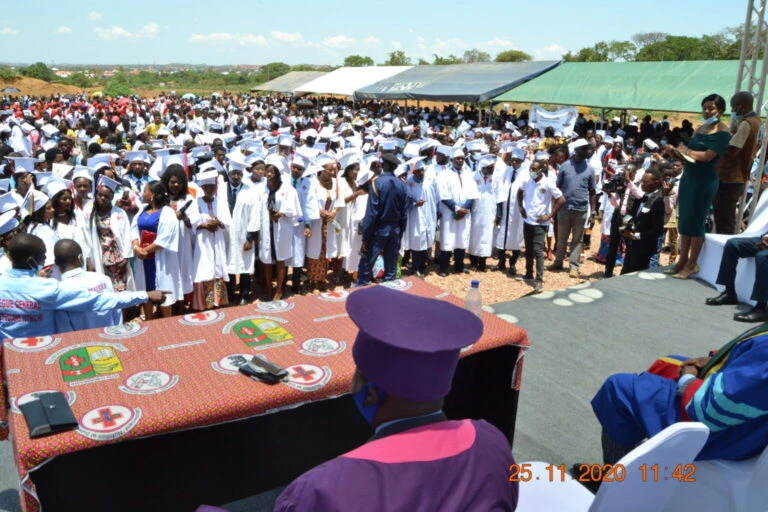

Institut Supérieur de Technique Médicale traces its founding to 1971 and has since operated as a higher-education institution in Lubumbashi, Democratic Republic of the Congo. The institution maintains a higher-education provider status.
Location & Contact
Where Institut Supérieur de Technique Médicale sits geographically, plus the contact channels students use during admissions. Alumni-office inquiries are separate from admissions and have their own contact page.
Programs Offered
Institut Supérieur de Technique Médicale's programme catalogue is grouped by level below — use the filter to narrow your shortlist. Programme entry windows and admissions criteria typically appear on each programme's dedicated page.
9 programmes on record. Compare these on the programs page All programs in Democratic Republic of the Congo
Bachelor's Degree 4 programmes
Master's Degree 3 programmes
Associate's Degree 2 programmes
How to apply to Institut Supérieur de Technique Médicale
Five steps that capture how most applications to Institut Supérieur de Technique Médicale flow, from research through submission to follow-up correspondence.
-
1
Research programmes at Institut Supérieur de Technique Médicale
Use the programme finder to browse Institut Supérieur de Technique Médicale's 9 active programmes. Filter by keyword or scan by degree level. Read curriculum details on each programme's dedicated page if available.
-
2
Review admissions criteria
Programme-level requirements at Institut Supérieur de Technique Médicale typically include academic transcripts, language proficiency proof, identity documents, and a personal statement or interview. Confirm specific requirements with the admissions office.
-
3
Gather supporting documents
Prepare academic transcripts, ID/passport copies, language proficiency proof, a personal statement, and reference letters. International candidates may need apostilled or notarised translations — start early to avoid deadline pressure.
-
4
Lodge your application
Institut Supérieur de Technique Médicale processes applications through www.istmlubumbashi.net. Create an account, fill out the application form, and submit your documents. Note application deadlines, which vary by intake and programme.
-
5
Confirm receipt and track progress
Confirm receipt of your application with the admissions office and keep an eye on your portal for status changes. Quick responses to any follow-up requests keep your application moving smoothly through the review process.
Frequently Asked Questions about Institut Supérieur de Technique Médicale
A short Q&A covering Institut Supérieur de Technique Médicale's essentials — founding, location, scale, ranking, and academic structure.
When was Institut Supérieur de Technique Médicale founded?
Institut Supérieur de Technique Médicale was established in 1971 (approximately 55 years ago).
In which city is Institut Supérieur de Technique Médicale?
Institut Supérieur de Technique Médicale is based in Lubumbashi, Democratic Republic of the Congo.
What is Institut Supérieur de Technique Médicale's control type?
Institut Supérieur de Technique Médicale is a private institution.
Where can I learn more about Institut Supérieur de Technique Médicale?
You can find Institut Supérieur de Technique Médicale online at www.istmlubumbashi.net.
Top-Ranked Universities in the Democratic Republic of the Congo
Faculty awards and national-leader status concentrate at the top the Democratic Republic of the Congo universities. Institut Supérieur de Technique Médicale's faculty distinctions compared to leaders signal where the institution sits in academic networks.


Faculties at nearby universities
If you're weighing Institut Supérieur de Technique Médicale against other institutions in the area, these neighbouring universities offer overlapping faculties and similar admissions cycles. They are useful for shortlisting based on travel distance or campus environment.
Where Else to Study Nursing
Capstone publication or portfolio output from Nursing programmes affects what you graduate with. Some the Democratic Republic of the Congo institutions retain student work; others publish it as part of programme outputs.
Universities Compared with Institut Supérieur de Technique Médicale
When students choose Institut Supérieur de Technique Médicale, they typically weigh it against institutions of similar standing. These universities sit at a comparable level — useful comparisons before committing to a final choice, especially when programme content is similar across the options.

Studying in Democratic Republic of the Congo: guides and resources



Spotted something outdated or missing?
Help us keep this page accurate — it takes about 30 seconds.