
Osaka Christian College
Osaka, Japan • Founded 1952
Updated May 2026
Overview
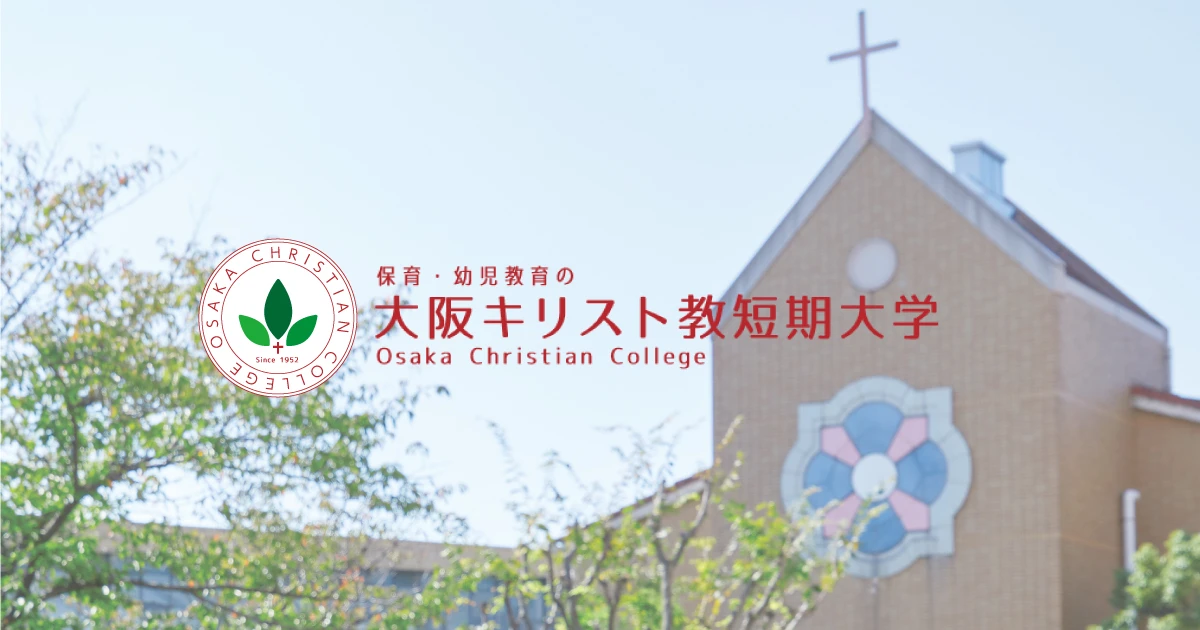


Osaka Christian College is among Japan's colleges, founded in 1952 and based in Osaka, Japan. It operates as a higher-education provider.
Location & Contact
Need to mail, call, or visit Osaka Christian College? Address, phone, and digital contact options below. Religious and cultural accommodation queries route through specific student services.
Programs Offered
Osaka Christian College's catalogue, with name search and level grouping. Capstone or dissertation requirements vary across programmes — confirm what you'll be assessed on before applying.
4 programmes on record. Compare these on the programs page All programs in Japan
Associate's Degree 4 programmes
How to apply to Osaka Christian College
Step-by-step guidance for applying to Osaka Christian College, covering the typical sequence from programme selection to admissions follow-up.
-
1
Identify the right programme
Start by exploring the programmes section on this page. Osaka Christian College runs 4 active programmes across multiple degree levels. Narrow by qualification tier and read each programme description before shortlisting.
-
2
Check entry requirements
Before applying to Osaka Christian College, confirm you meet the academic, language, and document requirements for your chosen programme. International applicants should also check visa eligibility for Japan.
-
3
Prepare your application documents
Standard documents: official transcripts, identity proof, language test results, personal statement, and references. Confirm exact requirements with Osaka Christian College's admissions office before assembling, as expectations vary by programme.
-
4
Submit via the institution
Lodge your application through the official website (www.occ.ac.jp). Online forms are the standard route. Save your draft frequently and submit before the programme deadline.
-
5
Get in touch with admissions
Verify your application has been received by the admissions team. Reach the institution by phone at 0666522091. Monitor the portal for status updates, interview invitations, or document requests, and respond within the stated deadlines.
Frequently Asked Questions about Osaka Christian College
Frequently asked questions about Osaka Christian College, covering the institutional basics most prospective applicants want to confirm first.
When was Osaka Christian College founded?
Osaka Christian College was established in 1952 (approximately 74 years ago).
Where is Osaka Christian College located?
Osaka Christian College is located in Osaka, Japan.
Is Osaka Christian College public or private?
Osaka Christian College operates as a private institution.
Where can I learn more about Osaka Christian College?
You can find Osaka Christian College online at www.occ.ac.jp.
Top-Ranked Universities in Japan
Alumni network strength of Japan's national leaders compounds over time. The peer-graduate networks at top institutions often outweigh academic differences in long-run career outcomes.



Faculties at nearby universities
Universities close to Osaka Christian College typically fall within the same regional student-transit zones, where transit discounts and shared passes reduce living costs across the cluster.

Where Else to Study Early Childhood Education
Capstone publication or portfolio output from Early Childhood Education programmes affects what you graduate with. Some Japan institutions retain student work; others publish it as part of programme outputs.
Universities Compared with Osaka Christian College
Joint research consortia among universities at Osaka Christian College's level — shared grants, co-supervision arrangements — make peer institutions natural collaborators rather than just competitors.
Studying in Japan: guides and resources




Spotted something outdated or missing?
Help us keep this page accurate — it takes about 30 seconds.