Kabarak University
Nakuru, Kenya • Founded 2002
Updated May 2026
Overview
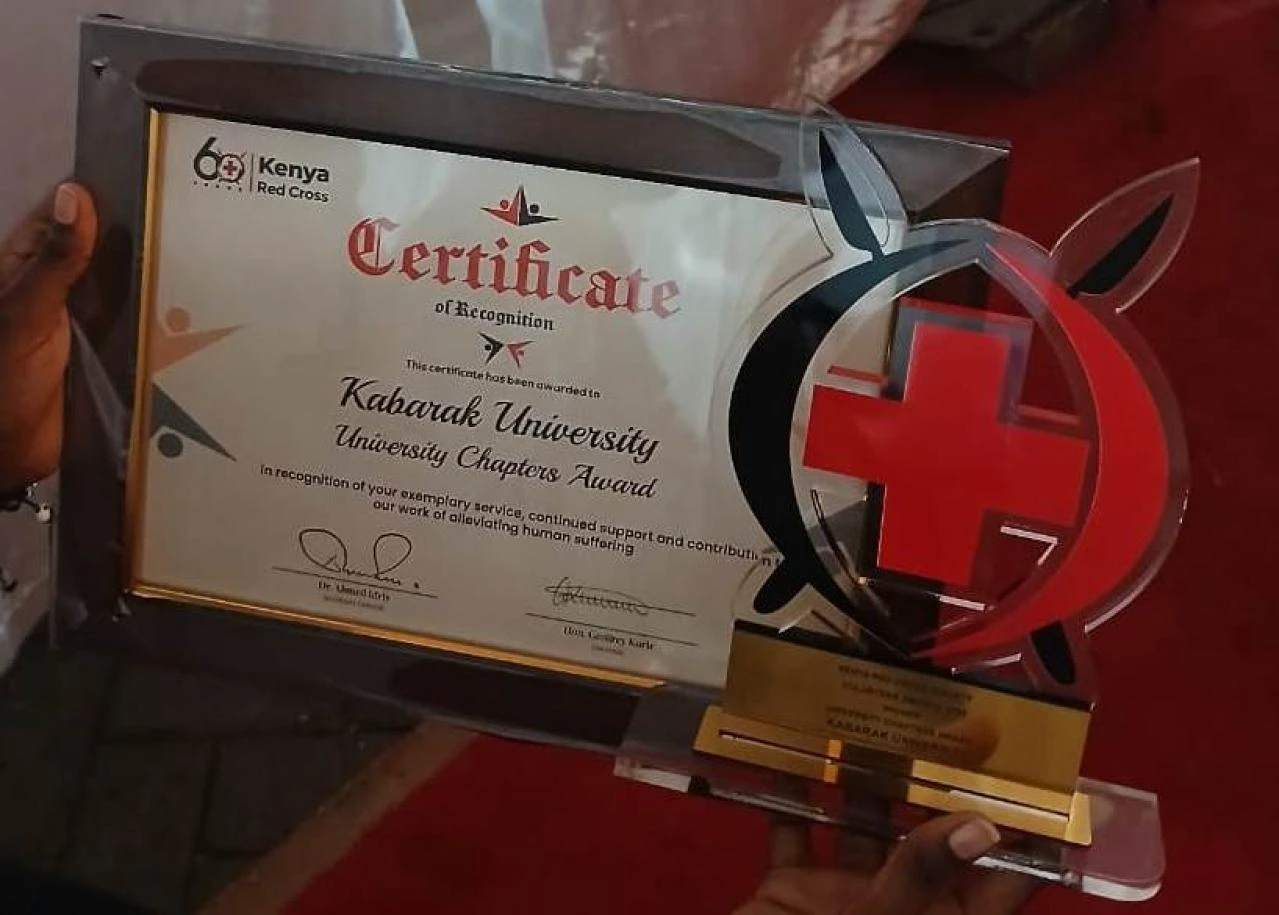
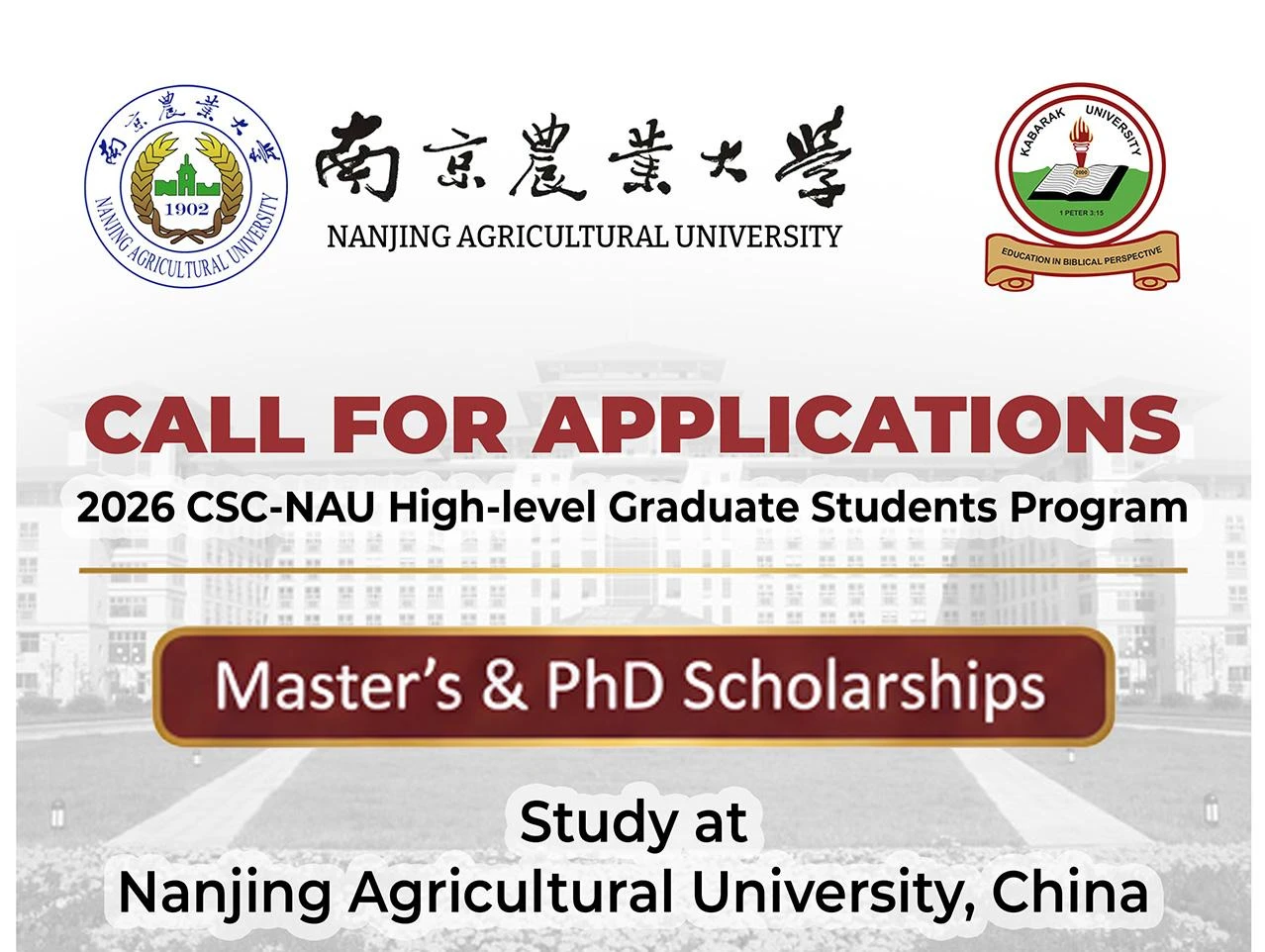
Founded in 2002, the Kabarak University is a non-profit private higher education institution located in the rural setting of the small city of Nakuru (population range of 50,000-249,999 inhabitants).
This institution also has a branch campus in Nairobi. Officially recognized by the Commission for University Education of Kenya, Kabarak University (KabU) is a medium-sized coeducational Kenyan higher education institution formally affiliated with the Christian-Evangelical religion.
Kabarak University (KabU) offers courses and programs leading to officially recognized higher education degrees such as pre-bachelor's degrees (i.e. certificates, diplomas, associate or foundation), bachelor's degrees, master's degrees and doctorate degrees in several areas of study. This 21-year-old Kenyan higher-education institution has a selective admission policy based on students' past academic records and grades.
The acceptance rate range is 90-99% making this Kenyan higher education organization a least selective institution.
International students are welcome to apply for enrollment. KabU also provides several academic and non-academic facilities and services to students including a library, housing, sports facilities, financial aids and/or scholarships, study abroad and exchange programs, as well as administrative services.
Location & Contact
Address, contact details, and online presence for Kabarak University are summarised below. Cross-check with the official website if you intend to send documents or financial information.
Academic Details
Kabarak University's key academic numbers — student body size, faculty composition, and accreditation context. Numbers reflect the most recent figures published by the institution and recognised bodies.
Academic Structures
Kabarak University's academic structure — the schools, colleges, and divisions inside the institution — is laid out below. Use this map when figuring out which faculty owns the programme you want.
Unit 4 items
- School of Arts, Education and Theology
- School of Business
- School of Law
- School of Science, Engineering and Technology
Degrees
Browse Kabarak University's degree offerings by level. Programmes within a single level often share entry requirements and study durations.
Bachelor's 26 programs
Bachelor's programmes build foundational expertise, preparing graduates for entry-level professional roles and further postgraduate study.
- Actuarial Science
- Agricultural Business
- Agricultural Education
- Business Administration
- Business and Commerce
- Dietetics
- Economics
- Education
- Environmental Studies
- Finance
- Hotel Management
- Information Technology
- Law
- Logistics Management
- Mass Communication
- Mathematics
- Medicine
- Music
- Music Theory and Composition
- Nursing
- Nutrition
- Pharmacy
- Public Health
- Statistics
- Telecommunications Engineering
- Theology
Master's 24 programs
Master's programmes develop advanced specialised expertise, suited to senior industry positions and applied research.
- Business Administration
- Business and Commerce
- Community Health
- Curriculum
- Dietetics
- Education
- Educational Administration
- Educational and Student Counselling
- Environmental Studies
- Finance
- Health Sciences
- Hotel Management
- Human Resources
- Information Technology
- Management
- Medicine
- Music
- Music Education
- Music Theory and Composition
- Musicology
- Nursing
- Physics
- Public Health
- Religious Music
Doctoral 5 programs
Doctoral programmes train independent researchers, leading to academic, scientific, and senior advisory careers.
- Business Administration
- Education
- Finance
- Information Technology
- Music
Faculties & Divisions
All faculties operate under Commission for University Education of Kenya.
Business and Economics (School) 13 subjects offered
Specialisations & Subjects
- Agricultural Business
- Business Administration
- Business and Commerce
- Business Computing
- Economics
- Finance
- Hotel Management
- Information Technology
- Logistics Management
- Management
- Mathematics
- Statistics
- Transport Management
Common Career Paths
- Business Analyst
- Operations Manager
- Strategy Consultant
Illustrative career directions for this field; specific outcomes depend on programme and student choices.
Education, Humanities and Social Sciences (School) 6 subjects offered
Specialisations & Subjects
- Agricultural Education
- Art Education
- Education
- Educational Administration
- Science Education
- Theology
Common Career Paths
- Teacher
- Educational Administrator
- Curriculum Specialist
Illustrative career directions for this field; specific outcomes depend on programme and student choices.
Law (School) 1 subject offered
Specialisations & Subjects
- Law
Common Career Paths
- Lawyer
- Legal Consultant
- Compliance Officer
Illustrative career directions for this field; specific outcomes depend on programme and student choices.
Medicine and Health Sciences (School) 6 subjects offered
Specialisations & Subjects
- Dietetics
- Health Sciences
- Medicine
- Nursing
- Nutrition
- Public Health
Common Career Paths
- Physician
- Medical Researcher
- Clinical Specialist
Illustrative career directions for this field; specific outcomes depend on programme and student choices.
Music and Media (School) 4 subjects offered
Specialisations & Subjects
- Mass Communication
- Media Studies
- Music
- Music Theory and Composition
Common Career Paths
- Media Producer
- Content Strategist
- Broadcast Journalist
Illustrative career directions for this field; specific outcomes depend on programme and student choices.
Pharmacy (School) 1 subject offered
Specialisations & Subjects
- Pharmacy
Common Career Paths
- Pharmacist
- Clinical Pharmacist
- Pharmaceutical Researcher
Illustrative career directions for this field; specific outcomes depend on programme and student choices.
Science, Engineering and Technology (School) 7 subjects offered
Specialisations & Subjects
- Actuarial Science
- Computer Science
- Environmental Studies
- Information Technology
- Natural Sciences
- Physics
- Telecommunications Engineering
Common Career Paths
- Engineer
- Project Manager
- Technical Consultant
Illustrative career directions for this field; specific outcomes depend on programme and student choices.
Programs Offered
Search and filter Kabarak University's available programmes by degree level. The list reflects the institution's current catalogue and may not include programmes that are paused or pending approval.
73 programmes on record. Each level below shows a sample. Compare these on the programs page All programs in Kenya
Bachelor's Degree 37 programmes
Showing 10 of 37.
Master's Degree 28 programmes
Showing 10 of 28.
Doctorate 6 programmes
Postgraduate Diploma 2 programmes
How to apply to Kabarak University
Below is a five-step path through the application process at Kabarak University, useful for first-time applicants and international students.
-
1
Browse the programme catalogue
Kabarak University's catalogue includes 73 programmes. Browse by level, identify candidates matching your prior qualifications, and note their entry requirements for the next step.
-
2
Check eligibility for your chosen programme
Entry requirements vary by programme and degree level. Verify academic minimums, language tests (if international), and any additional documents required for Kabarak University's admissions process.
-
3
Get your documents ready
Typical documents include academic transcripts, identity proof (passport or national ID), language proficiency test scores, a personal statement or motivation letter, and recommendation letters. International applicants should account for translation and notarisation time.
-
4
Apply through the official channel
Submit your completed application through Kabarak University's official website at www.kabarak.ac.ke. Most institutions use an online portal — register an account, complete the application form, and upload your prepared documents. Keep copies of all submissions and confirmation receipts.
-
5
Reach out and track your application
Follow up to confirm your application was received and is being processed. You can reach the institution by email at [email protected] or by phone at +254 (51) 343 234. Admissions teams may request interviews or additional documents — respond promptly to keep your application active.
Frequently Asked Questions about Kabarak University
A short Q&A covering Kabarak University's essentials — founding, location, scale, ranking, and academic structure.
In what year was Kabarak University established?
Kabarak University was founded in 2002 (approximately 24 years ago).
Where can I find Kabarak University?
The institution is located in Nakuru, Kenya.
Is Kabarak University public or private?
It is a private higher-education institution.
How many students does Kabarak University have?
The institution has a student body of 8,000-8,999.
What programmes are available at Kabarak University?
Kabarak University offers bachelor's, master's and doctoral programmes.
Does Kabarak University have a religious affiliation?
Kabarak University operates within the Christian-Evangelical tradition.
What is Kabarak University's academic structure?
Kabarak University is organised into 4 academic units across its disciplines.
Is Kabarak University accredited?
The institution holds recognition from Commission for University Education (CUE).
What is Kabarak University's official website?
You can find Kabarak University online at www.kabarak.ac.ke.
Top-Ranked Universities in Kenya
Kenya's most prominent universities are listed below — relevant for assessing Kabarak University's national positioning. National prominence signals not just academic strength but also employer recognition.
Other Kenyan Universities Affiliated with Christian-Evangelical
Dietary accommodation reflecting Christian-Evangelical dietary norms is usually robust at affiliated institutions. The campus catering at peers listed below is often comparable to what you would expect at Kabarak University.

Where Else to Study Music
Faculty publication output for Music researchers at each Kenya institution signals research-active culture. Active publication usually correlates with funded supervision capacity.




Universities Compared with Kabarak University
Peer cohort diversity — gender, nationality, socioeconomic background — varies more than rankings might suggest. Diversity affects classroom dynamics and post-grad networks.
Studying in Kenya: guides and resources





Spotted something outdated or missing?
Help us keep this page accurate — it takes about 30 seconds.